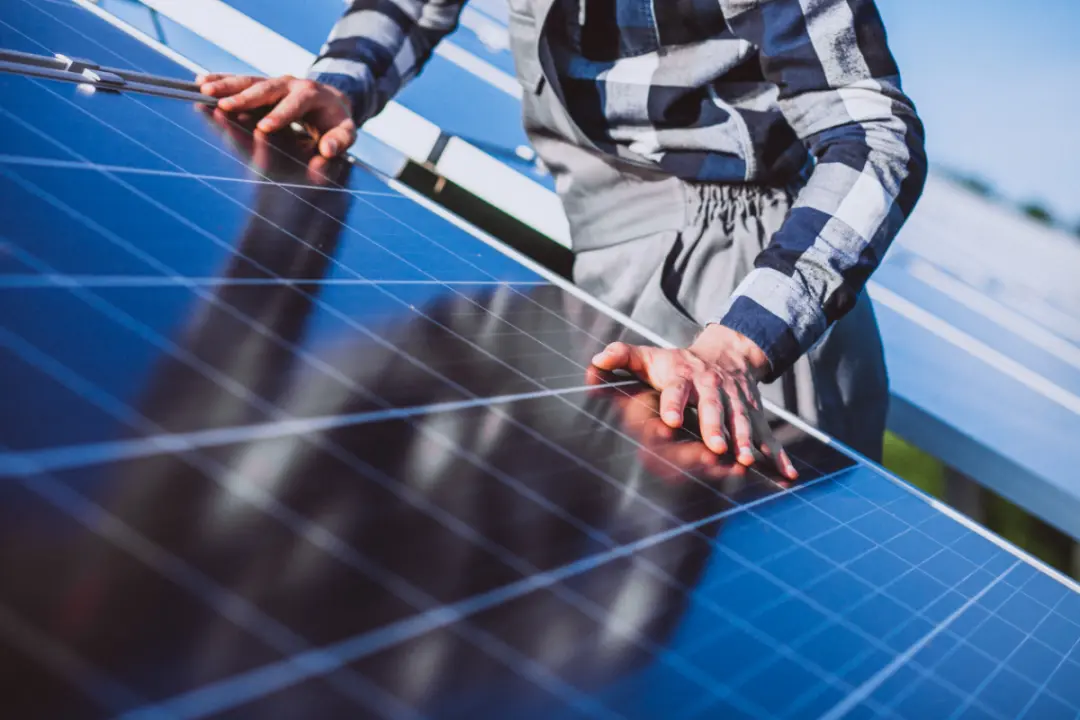
Solar panels can reduce electricity bills, protect households from future price rises and lower carbon emissions. However, installing them requires a large initial payment, and the financial return depends on the property, energy use and chosen system. This article explores: Are Solar Panels Worth the Cost?
For many UK homeowners, solar panels can be worth the cost when they have a suitable roof and expect to remain in the property for at least ten years. They may be less suitable for shaded homes, people who use very little electricity or homeowners planning to move soon.
Our team installed a 10-panel solar system for Daniel in Wigan at a total cost of around £6,500, including the panels, inverter and installation. Before fitting the system, Daniel was spending roughly £1,400 a year on electricity, so reducing his bills was a big reason for going solar.
After the installation, he was able to use more of the electricity his panels produced during the day, bringing his annual electricity costs down by around £600.
Over five years, that works out at roughly £3,000 in savings, although the exact amount can change with electricity prices and how much solar power is used at home. For Daniel, seeing those yearly savings made the initial cost feel like a worthwhile long-term investment.
by JAMIE TUCKER, Wigan Electrical SolutionsHow Much Do Solar Panels Cost?
The Energy Saving Trust estimates that an average home solar panel system costs around £6,100 to install. Other 2026 market estimates place the cost of a typical system for a three-bedroom home between £6,500 and £8,000. Larger systems, complex roof layouts, scaffolding and extra electrical work can raise the price further.
A quotation will usually include:
- Solar panels
- An inverter
- Roof mounting equipment
- Scaffolding
- Installation work
- Electrical checks
- System registration and certification
Adding a home battery can increase the total cost by several thousand pounds. A battery stores electricity produced during the day so that it can be used later, such as during the evening.
Solar panels, batteries and certain related energy-saving materials installed in UK homes currently qualify for 0% VAT until 31 March 2027. The rate is scheduled to return to 5% from 1 April 2027.
How Much Can Solar Panels Save?
Solar panels save money in two main ways. First, they reduce the amount of electricity a household needs to buy.
Second, homeowners may be paid for unused electricity exported to the grid. The value of using solar electricity at home has increased alongside grid electricity prices.
From 1 July to 30 September 2026, the average capped electricity rate for a household paying by Direct Debit in England, Scotland and Wales is 26.11 pence per kilowatt hour This is higher than the rate of 24.67 pence between April and June 2026.
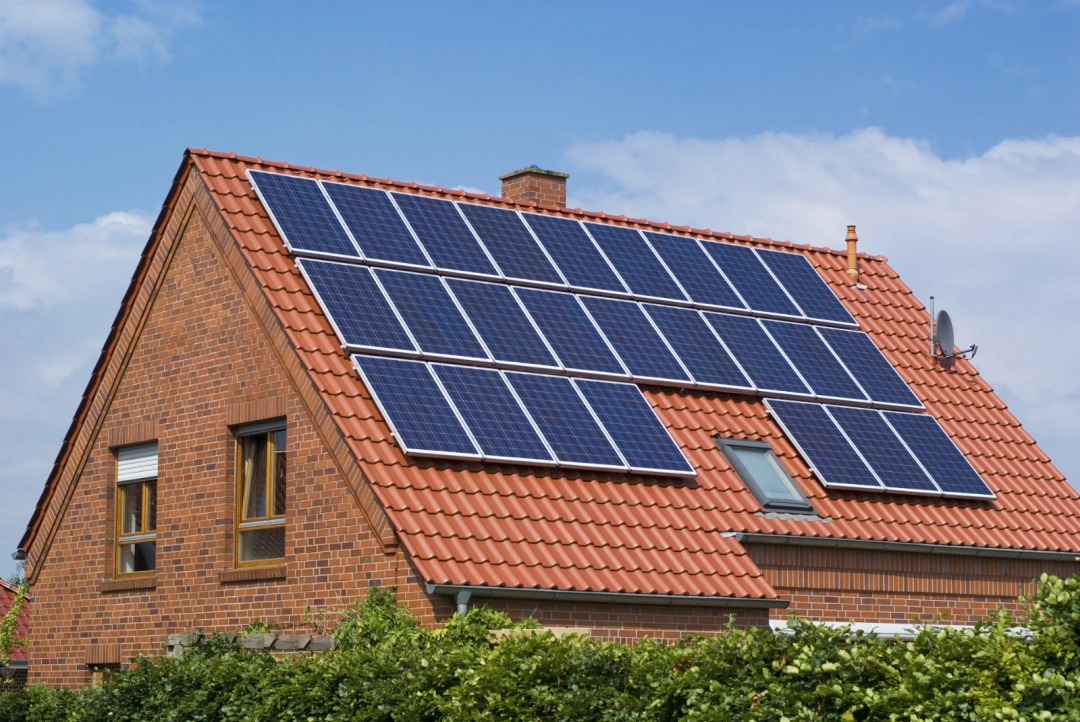
At this rate, every kilowatt hour of solar electricity used instead of electricity from the grid saves about 26 pence. Actual savings depend on how much electricity the system produces and how much of that electricity the household uses.
Recent guidance from MoneySavingExpert suggests that a household could save up to around £350 a year on its energy bills, before any further income from exporting unused electricity.
Homes tend to save more when residents:
- Work from home or spend more time at home during daylight hours
- Run washing machines and dishwashers during the day
- Charge an electric vehicle while the panels are producing electricity
- Use a timer or smart control to move electricity use into daylight hours
- Store unused electricity in a battery
A household that is empty for most of the day may export more electricity and use less of its own solar power. This can reduce the overall financial benefit because buying electricity from the grid normally costs more than the amount paid for exporting it.
Can You Earn Money from Extra Electricity?
Homeowners in England, Scotland and Wales can use the Smart Export Guarantee to receive payments for eligible renewable electricity sent to the grid.
Under this scheme, participating electricity suppliers set their own export rates, contract terms and eligibility rules. The rate must be above zero, but there is no single fixed national payment. Homeowners should compare available tariffs because rates can vary greatly between suppliers.
A suitable export meter, normally a smart meter, is needed to record how much electricity is sent to the grid. The installation may also need to meet certification and registration requirements.
The Smart Export Guarantee does not operate in Northern Ireland. Households there should ask their electricity supplier whether an export payment is available.
How Long Do Solar Panels Take to Pay for Themselves?
The payback period is the time needed for savings and export payments to equal the original installation cost.
Energy Saving Trust estimates show payback periods of about 10 to 15 years for many UK households. Its figures include export payments and are based on electricity prices from July 2025 in England, Scotland and Wales.
Estimated payback periods include:
- Around 10 to 12 years in London
- Around 11 to 13 years in Manchester
- Around 12 to 15 years in Stirling
- Around 9 to 13 years in Belfast
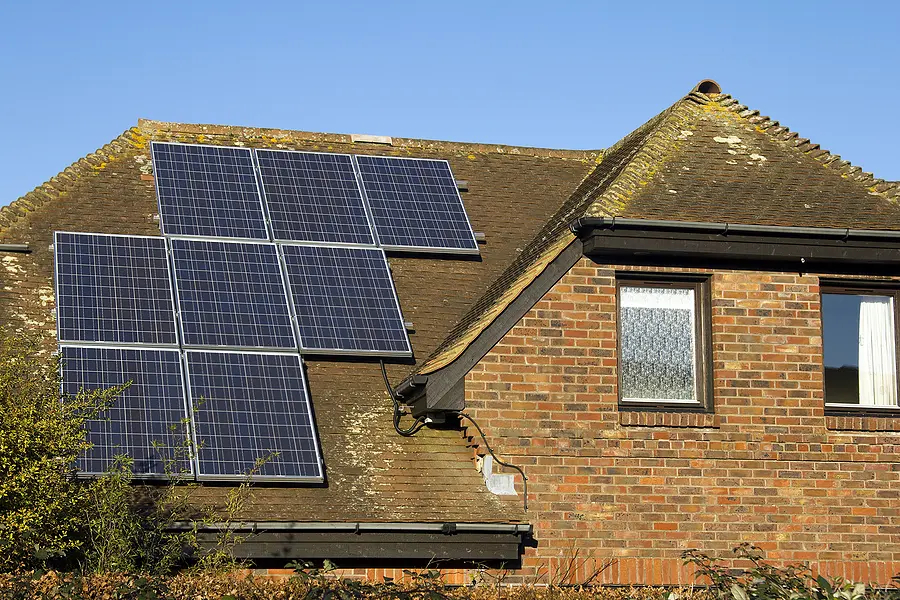
The exact period depends on location and when people are at home to use the electricity being produced.
A simple example shows how this can work. A system costing £7,000 that produces total bill savings and export income of £600 a year would take about 11 years and eight months to recover its cost. This is only an example. Electricity prices, export rates, maintenance needs and system performance can change.
After the original cost has been recovered, the system can continue producing electricity. Solar panels often have product or performance guarantees lasting 20 years or more, although the inverter may need to be replaced sooner.
Does Roof Direction Matter?
The suitability of the property has a major effect on whether solar panels are worth buying.
A south-facing roof with little or no shade normally offers the strongest performance in the UK. East-facing and west-facing roofs can also work well, particularly when panels are placed on both sides.
A north-facing roof usually produces less electricity and may lead to a longer payback period. Nearby trees, chimneys and taller buildings can also reduce output by casting shadows over the panels.
Before accepting a quotation, the installer should provide an estimate showing:
- Expected annual electricity production
- The effect of shade
- Estimated household savings
- Likely export income
- The expected payback period
These figures should be based on the property rather than a general national example.
Qualified Solar Panel Installers
Are Solar Panels Right For Your Home?
Is a Solar Battery Worth Adding?
A battery can allow a household to use more of its solar electricity. Power produced during the day can be stored and used after sunset instead of being exported.
This may be helpful for households that use most of their electricity in the evening. It can also work well with tariffs that offer cheaper electricity at certain times.
However, a battery adds a large amount to the initial cost. It does not always reduce the total payback period because the extra savings may take many years to recover the battery price.
Battery value depends on:
- The household’s evening electricity use
- The size of the solar system
- Battery capacity
- Import and export tariff rates
- Whether the home has an electric vehicle or heat pump
- The battery’s guarantee and expected working life
Homeowners should request separate calculations for panels alone and panels with a battery. This makes it easier to see whether the battery improves the financial return.
Will Solar Panels Work in British Weather?
Solar panels do not require hot weather. They produce electricity from daylight and can continue working on cloudy days, although output will be lower than under clear skies.
Generation changes throughout the year. A system will usually produce much more electricity during spring and summer than during winter. Households will still need grid electricity at night and during periods of low generation unless they have suitable battery storage.
Solar panels are therefore best viewed as a way to reduce grid electricity use rather than remove it completely.
What Are the Environmental Benefits?
Solar panels generate electricity without producing carbon emissions while they are operating.
According to the Energy Saving Trust, a typical home solar system could reduce carbon emissions by around one tonne each year, although the figure varies by location and system size. It compares this saving to driving about 3,600 miles in a petrol car.
Panels require energy and materials to manufacture, transport and install. However, they can produce low-carbon electricity for many years, helping households reduce their long-term effect on the environment.
Are Grants Available?
There is no general UK grant that pays for solar panels for every homeowner. However, some lower-income households may qualify for local or national support.
In England, the Warm Homes: Local Grant can fund home improvements for eligible households. Solar panels may be included following a home survey.
The home usually needs an Energy Performance Certificate rating of D, E, F or G. Household income must normally be £36,000 a year or less, although some households may qualify through their postcode or benefits. Approved work is arranged and paid for by the local council.
Different support schemes may apply in Scotland, Wales and Northern Ireland. Eligibility and available funding can vary by area.
Could Solar Panels Affect Property Value?
Solar panels may make a property more appealing to buyers who want lower electricity bills. However, there is no guarantee that the sale price will rise enough to cover the installation cost.
The effect may depend on:
- The age and condition of the system
- Whether the panels are owned outright
- The property’s energy rating
- The appearance of the installation
- Local buyer demand
- Available guarantees and paperwork
Owned systems are generally easier to explain during a sale than systems installed through older lease or rent-a-roof agreements.
Anyone planning to sell within a few years should consider whether there will be enough time to recover a meaningful part of the investment through energy savings.
How to Decide Whether Solar Panels Are Worth It
Solar panels are more likely to provide good value when:
- The roof receives plenty of daylight
- There is little shade
- The household uses a significant amount of electricity during the day
- The owner plans to stay in the property for ten years or longer
- The system is bought without expensive borrowing
- A competitive export tariff is available
- The installation price is fair
They may offer less value when:
- The roof is heavily shaded
- Major roof repairs will soon be needed
- Electricity use is very low
- The property may be sold soon
- The purchase depends on high-interest finance
- A competitive export tariff is available
- The installer’s savings forecast is unrealistic
It is sensible to get at least three detailed quotations. Buyers should compare the expected system output, equipment guarantees, certification, total installed cost and payback estimate rather than choosing only by price.
Are Solar Panels Worth the Cost?
For many UK homeowners, solar panels are worth the cost, but they should be treated as a long-term investment.
A typical system may cost between roughly £6,100 and £8,000 and take about 10 to 15 years to pay for itself. The strongest results are normally seen in homes with an unshaded roof, regular daytime electricity use and owners who plan to remain in the property for many years.
The financial case is also supported by current electricity prices, export payments and the temporary 0% VAT rate. However, solar panels will not produce the same return for every household.
Before making a decision, homeowners should obtain a property-specific generation estimate, compare several installers and calculate the return using realistic energy use. When the home is suitable and the price is reasonable, solar panels can provide lower bills, cleaner electricity and greater protection from future energy price changes.
Do you need solar panel installers in Wigan, Manchester, Liverpool or Bolton? If you are looking for professional solar panel installations to power your electrical appliances, Wigan Electrical Solutions is here to help. We offer professional electrical installations in Wigan and the surrounding northwest for domestic and commercial clients.