Solar panels do work on cloudy days. They produce less electricity than they would under clear skies, but they can still use daylight that passes through or is scattered by clouds. This means solar panels can remain useful across the UK, even when the sky is grey.
The amount of electricity produced will depend on cloud thickness, the season, roof direction, shade and the size of the system. This article explains how cloudy weather affects solar panels and what homeowners can expect throughout the year.
How Do Solar Panels Work?
Solar panels contain photovoltaic cells, which turn light into electricity. When daylight reaches these cells, it creates an electrical charge. An inverter then changes this electricity into a form that can power household appliances.
Solar panels can use two types of sunlight:
- Direct sunlight, which travels straight from the sun
- Diffuse sunlight, which is scattered by clouds and the atmosphere
On a clear day, panels receive a large amount of direct sunlight. On a cloudy day, much of the available light is diffuse. The panels can still turn this scattered light into electricity, although their output will usually be lower.
The Energy Saving Trust confirms that solar cells do not need direct sunlight and can continue working on cloudy days.
How Much Power Do Solar Panels Produce on Cloudy Days?
There is no fixed cloudy-day output because clouds vary in thickness, height and movement. Thin cloud may only cause a modest drop, while dark storm clouds can reduce production sharply.
As a broad guide, panels may produce around 10% to 25% of their clear-sky output under very heavy cloud. Broken or thin cloud may allow much higher production. This range is an estimate rather than a guaranteed level.
For example, a system producing 4 kilowatts in strong sunshine might produce around 0.4 to 1 kilowatt under thick cloud at the same time of day.
Why Do Clouds Reduce Solar Output?
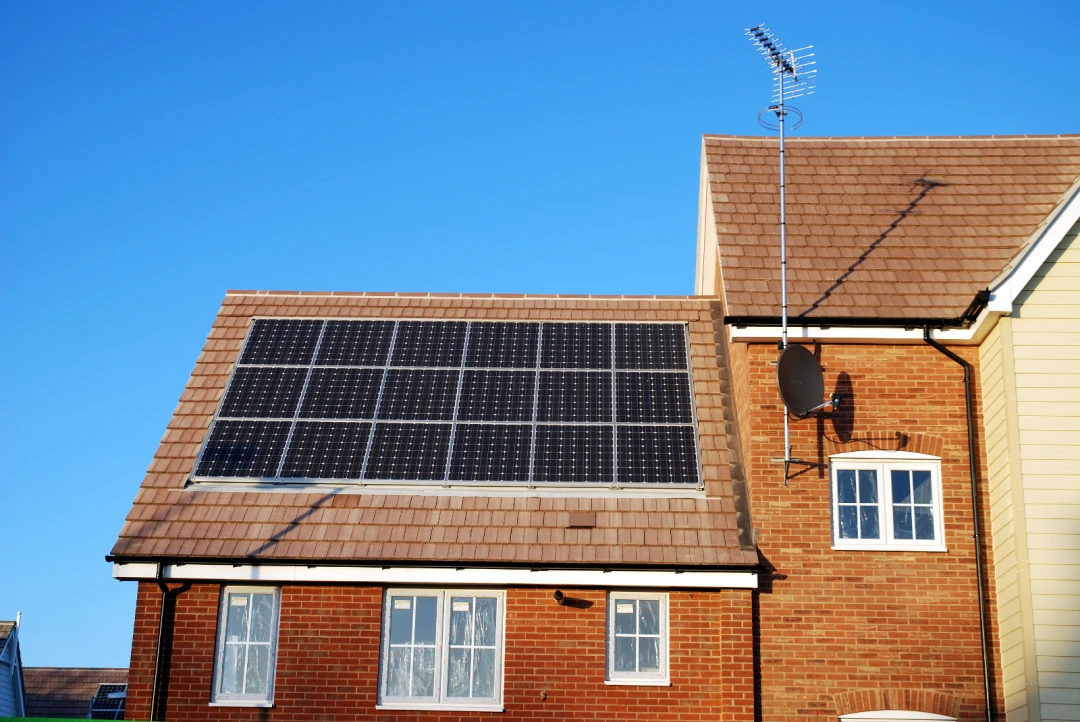
Clouds absorb, reflect and scatter some of the light travelling towards the ground. As a result, less light reaches the solar cells.
Output may change several times within one hour as clouds move. A solar monitoring application may show sharp rises and falls, even when the weather looks similar from the ground.
Cloud cover is only one factor. The time of day, season, panel angle, roof direction and nearby shade also affect the amount of electricity generated.
Can Solar Panels Work Well in the UK?
Yes. The UK receives enough daylight for solar panels to produce useful electricity across the year.
Met Office averages for 1991 to 2020 show that the UK receives about 1,403 hours of bright sunshine each year. May averages about 192 hours, while December averages about 43 hours.
These figures explain why solar production is normally much stronger in spring and summer than in winter.
Last year, we fitted a 6-panel solar system for Emma in Wigan, and one of her main questions was whether the panels would still work on cloudy days.
We explained that solar panels can still produce electricity when the sky is overcast, although they usually generate less than they would in bright sunshine.
We recently caught up with Emma to find out about the results. She told us it was still producing power on dull days, which helped cover part of her daytime electricity use. Our follow up call confirmed that the system could keep generating throughout the year, not just on clear summer days.
by JAMIE TUCKER, Wigan Electrical SolutionsDo Solar Panels Work in Winter?
Solar panels continue working in winter, but daily production is usually lower. Days are shorter, the sun sits lower in the sky and cloud cover may be more frequent.
A bright winter day can still provide useful electricity. Cold weather does not stop solar cells from working. In fact, very high panel temperatures can slightly reduce their efficiency, so cool and bright conditions can be good for performance.
However, shorter daylight hours mean that winter generation will usually remain below summer generation.
Do Solar Panels Work in Rain?
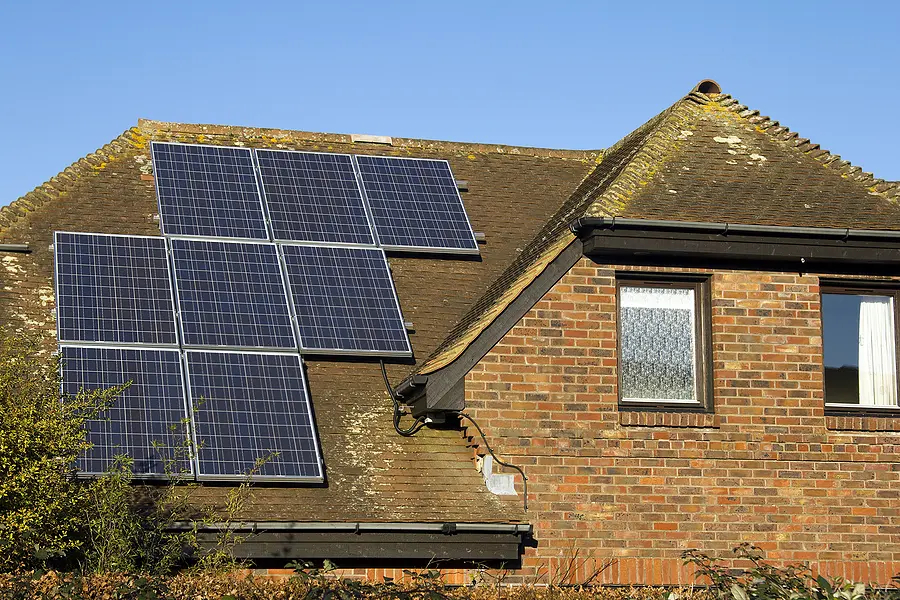
Solar panels normally keep producing electricity during rain as long as there is daylight. Heavy rain and dark clouds can reduce output, but production usually rises again when the sky becomes brighter.
Rain may wash away loose dust and pollen. However, it may not remove bird droppings or dirt that has become fixed to the surface.
Homeowners should not climb onto a roof to clean panels. A suitable professional should be used when cleaning or inspection is needed.
What Happens When Solar Panels Are Covered in Snow?
Panels cannot generate properly when they are completely covered by snow because light cannot reach the cells.
Light snow may slide from panels that are installed at an angle. Thick or frozen snow may remain for longer and cause a temporary loss of production.
Snow is not a major long-term issue for most UK homes, and homeowners should not try to remove it when doing so would be unsafe.
Qualified Solar Panel Installers
Are Solar Panels Right for Your Home?
Does Roof Direction Matter in Cloudy Weather?
A south-facing roof usually provides the highest annual solar output in the UK. East-facing and west-facing roofs can also work well, with generation spread across the morning and afternoon.
During fully overcast weather, light may be spread more evenly across the sky. This can reduce the difference between roof directions for a short time. However, roof direction still has a major effect on total yearly production.
North-facing roofs generally produce less electricity and may lead to a longer financial payback period.
How Is Shade Different from Cloud Cover?
Cloud cover usually moves and affects a wide area. Shade from a chimney, tree or nearby building may block the same part of a solar system every day.
This fixed shade can have a greater long-term effect than temporary cloud. In some systems, shade on one panel may reduce the output of several connected panels.
An installer should complete a shade check before recommending the number, location and type of panels.
Can a Solar Battery Help on Cloudy Days?
A battery does not make solar panels generate more electricity. It stores electricity for use later.
Extra power produced during brighter periods can charge the battery. The stored energy can then be used when cloud reduces production, during the evening or after sunset.
A battery may help a household use more of its own solar electricity, but it adds to the installation cost. Several cloudy days in a row may also leave less solar energy available to charge it.
How Much Can a Home Solar System Generate Each Year?
Yearly production is more useful than judging a system by one cloudy day.
As a broad example, a well-positioned 4-kilowatt system in the UK may generate roughly 3,000 to 4,000 kilowatt hours a year. Actual output can fall outside this range.
An installer should provide an estimate based on the property’s location, roof direction, angle, shade and system size. The forecast should include expected system losses and normal local weather.
Strong production during brighter months can help balance lower output during winter and periods of poor weather.
How Can Homeowners Get More Value in Cloudy Weather?
Households can improve the value of their solar electricity by using more power while the panels are generating.
- Check the system’s live output before using large appliances
- Use washing machines and dishwashers during brighter daylight hours
- Use appliance timers where suitable
- Avoid running several high-power appliances at the same time
- Charge an electric vehicle during the day where possible
- Use battery storage carefully
- Keep panels free from serious dirt and fixed shade
Electricity use should only be moved when it is safe and practical. Appliances should be used in line with the manufacturer’s instructions and should not be left running unattended when this could create a safety risk.
Are Solar Panels Popular Despite Cloudy UK Weather?
Solar use continues to grow across the country.
UK government figures show that 269,000 solar installations were completed during 2025. This was the highest total recorded for a calendar year and was 37% higher than in 2024.
The figures also show that 23,000 installations were completed in April 2026, with more than half installed on homes.
This growth shows that cloudy weather has not prevented solar panels from becoming an important source of electricity in the UK.
How Can You Check Solar Panel Performance?
Most modern systems include an application or online account that shows electricity production.
Homeowners can compare clear and cloudy days, summer and winter output, electricity used in the home, electricity exported to the grid and battery charging.
One poor day does not normally suggest a fault. However, a sudden and lasting fall in production may need to be checked. The installer should be contacted when there are warning messages, inverter faults or unexplained periods of no generation during daylight.
Common Myths About Solar Panels and Clouds
We explore common myths about solar panels and clouds.
Solar panels stop working when the sun disappears
This is false. They can continue using diffuse daylight, although output will fall.
Solar panels need hot weather
This is also false. Light produces the electricity. Very high panel temperatures can slightly reduce efficiency.
Every cloudy day cuts output by the same amount
Cloud type and thickness vary. Thin cloud may have a small effect, while dark storm clouds may cause a large fall in production.
Do Solar Panels Work on Cloudy Days?
Solar panels do work on cloudy days. They use direct and diffuse light, so they can continue producing electricity when the sky is overcast.
Under very heavy cloud, output may fall to around 10% to 25% of clear-sky production, although this is only a broad guide. Thin or broken cloud may have a much smaller effect.
The UK averages about 1,403 hours of bright sunshine each year, and government figures show strong recent growth in solar installations. This confirms that solar panels can operate successfully in the British climate.
A suitable roof, limited shade and an accurate yearly generation forecast matter more than having clear skies every day.
Do you need Solar Panel Installation in Wigan, Manchester, Liverpool or Bolton? If you are looking for professional solar panel installations to power your electrical appliances, Wigan Electrical Solutions is here to help. We offer professional electrical installations in Wigan and the surrounding north-west for domestic and commercial clients.