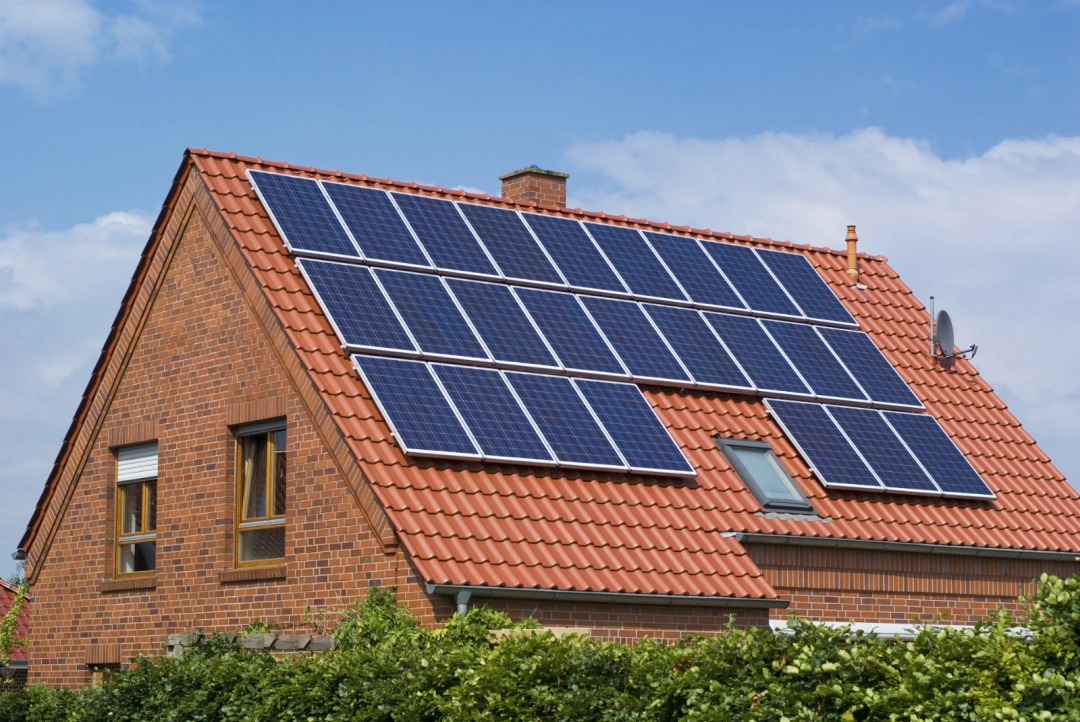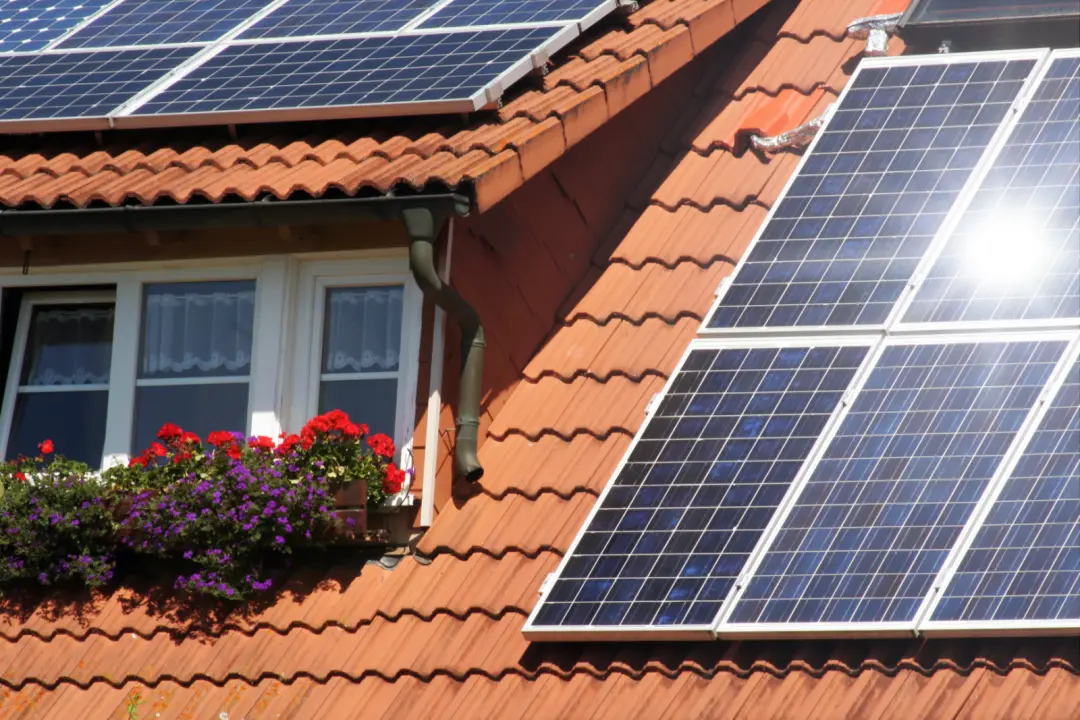
Solar panels are designed to generate electricity for several decades. Most modern systems have an expected working life of around 25 to 35 years, although many panels continue producing power beyond this period.
They do not usually stop working suddenly. Instead, their output falls slowly over time. The lifespan of a system depends on panel quality, installation standards, weather, maintenance and the condition of other parts, including the inverter.
What Is the Average Lifespan of a Solar Panel?
A good-quality residential solar panel should normally last at least 25 years. Many modern panels are expected to remain in service for 25 to 35 years, while some may continue generating electricity for 40 years or longer.
The end of a warranty does not mean that a panel has reached the end of its useful life. It may continue working for many years, but at a lower level of output.
A recent project we installed was a 12-panel solar system for Paul in Bolton, and one of his main questions was how long the panels would last and whether the investment would pay off over time.
We explained that good-quality solar panels can keep working for around 25 to 30 years, but made him aware their output can slowly reduce as they age. Based on Paul saving around £700 a year on his electricity bills, he could save roughly £17,500 over 25 years, and potentially more if electricity prices rise.
The biggest benefit for him was knowing the system could keep cutting his energy costs for decades after the installation was complete.
by Jamie Tucker, Wigan Electrical SolutionsDo Solar Panels Stop Working After 25 Years?
Solar panels do not normally stop producing electricity when they reach 25 years old. Their output usually reduces gradually through a process called degradation.
Industry research commonly places the yearly degradation rate for crystalline silicon panels at around 0.5% to 0.6%. This is the technology used in most modern household systems.
At a degradation rate of 0.5% a year, a panel could still produce roughly:
- 95% of its original output after 10 years
- 90% after 20 years
- 88% after 25 years
- 84% after 30 years
These figures are estimates. Actual performance depends on the make and model, local climate, roof position, installation quality and maintenance. Many systems retain at least 80% of their original output after 25 years.
How Quickly Do Modern Solar Panels Lose Efficiency?
Newer panels may lose output more slowly than older models. Recent research has found yearly degradation rates below 0.3% for some newer panels, although results differ between products and manufacturers.
Other studies of modern systems have found typical degradation closer to 0.5% to 0.6% a year. This shows why it is important to compare performance warranties rather than looking only at the purchase price.
What Is a Solar Panel Performance Warranty?
Most solar panels come with two main forms of cover.
Product Warranty
A product warranty covers faults linked to materials or manufacturing. The period and terms vary between manufacturers.
Performance Warranty
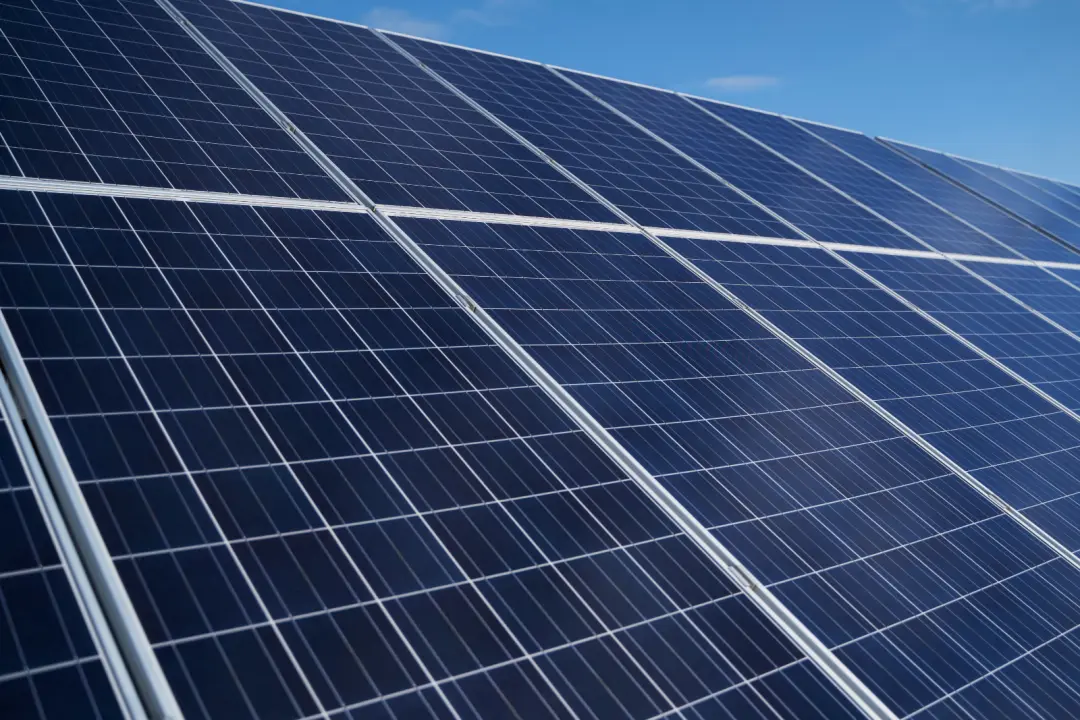
A performance warranty promises that the panel will keep producing at least a stated percentage of its original output over a set period, often 25 or 30 years.
A performance warranty does not mean that the panel will stop working when the period ends. It sets the lowest output level promised by the manufacturer during the warranty.
Before buying, check:
- The guaranteed output at the end of the warranty
- Whether output falls by a different amount during the first year
- Which faults and costs are covered
- Whether labour and removal costs are included
- Who handles claims if the original installer closes
What Can Shorten the Life of Solar Panels?
Several factors can cause a panel to lose output faster or fail before its expected lifespan.
Poor Installation
Panels must be fitted securely with suitable wiring, ventilation and weather protection. Poor installation can allow water to enter, place pressure on the panels or cause electrical faults.
Extreme Weather
Panels are designed for outdoor use, but severe hail, strong winds, flooding or heavy snow can damage them. Long periods of high heat can also place stress on panel materials and electrical parts.
Dirt and Shading
Dust, leaves, moss and bird droppings can block sunlight. Trees may also create more shade as they grow. These issues can reduce output even when the panels remain in good condition.
Panel Damage
Small cracks, damaged seals, corrosion and loose connections can affect performance. Some faults are difficult to see from the ground, so a professional inspection may be useful when output falls unexpectedly.
Low-Quality Equipment
Panels made with weaker materials or limited testing may carry a greater risk of early failure.
How Long Do Solar Inverters Last?
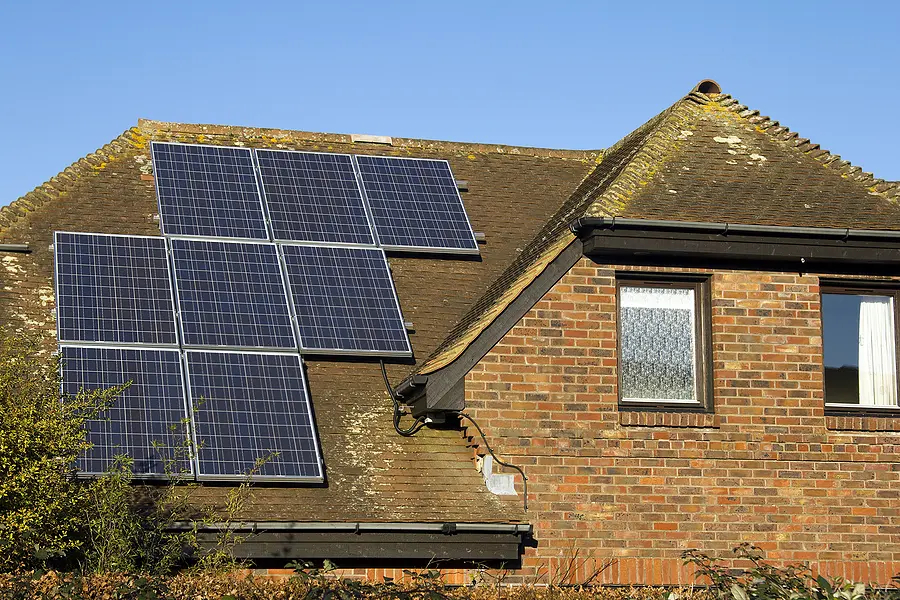
The inverter converts the electricity produced by the panels into electricity that can be used in the property. It will often need to be replaced before the panels.
A standard solar inverter commonly lasts around 10 to 15 years. A homeowner may therefore need one or two inverter replacements during the working life of the panels.
Microinverters, which are fitted to individual panels, may have a lifespan closer to that of the panels. However, warranty terms and expected life vary by model.
Does a Solar Battery Last as Long as the Panels?
A solar battery normally has a shorter working life than the panels. Its lifespan depends on the battery type, temperature, how often it is charged and discharged, and how much of its storage capacity is regularly used.
The warranties for the panels, inverter and battery should be considered separately. Replacing one part does not usually mean the full system needs replacing.
How Can You Help Solar Panels Last Longer?
Solar panels need relatively little maintenance, but regular checks can help protect their performance and identify faults early.
- Monitor electricity generation: Check the inverter display, monitoring system or electricity records for lasting falls in output.
- Control nearby trees: Trim branches that create shade, drop leaves or could damage panels in strong winds.
- Arrange safe cleaning: Rain removes much ordinary dirt, but heavy pollen, moss, pollution or bird droppings may require professional cleaning.
- Have the system inspected: Follow the installer’s advice and warranty terms for professional checks.
- Deal with faults early: Inverter warnings, water entry, loose wiring and visible damage should be checked promptly.
How Do You Know When Solar Panels Need Replacing?
Age alone is not always a reason to replace a system. Replacement may be worth considering when electricity generation has fallen well below the expected level, several panels have failed, repairs are no longer practical or serious physical damage is present.
Before replacing the panels, an installer should check the inverter, wiring, shading and monitoring system. A fall in output may be caused by another part of the system.
Can Old Solar Panels Be Recycled?
Solar panels contain glass, aluminium, silicon, copper and plastics. Many of these materials can be recovered, although recycling services and methods vary.
Old panels should not be placed with normal household rubbish. Owners should ask their installer, manufacturer or an approved electrical waste service about collection, reuse or recycling.
Panels that still work may sometimes be reused instead of being recycled immediately.
Is Solar Still Worth It if Panels Slowly Degrade?
Gradual degradation is normally included in solar generation and savings estimates. Although panels produce slightly less electricity as they age, they can still provide useful power for decades.
Recent UK estimates often place solar payback periods at around 9 to 15 years, depending on the property, location, electricity use, installation cost and export payments. This means a suitable system may continue generating electricity for many years after recovering its original cost.
Actual savings can change with electricity prices, tariffs, maintenance needs and system performance.
How Common Are Solar Panels in the UK?
Solar use in the UK continues to grow. Government figures show that around 269,000 solar installations were completed during 2025, which was 37% more than in the previous year.
The UK passed two million solar installations across homes and solar farms in March 2026. Worldwide solar capacity had passed 2,260 gigawatts by the end of 2024, following strong yearly growth.
As more systems are installed, long-term maintenance, repair, reuse and recycling will become increasingly important.
Frequently Asked Questions
Can Solar Panels Last 40 Years?
Yes. Some panels can continue producing electricity for 40 years, although their output will usually be lower than when they were new.
What Happens After the 25-Year Warranty Ends?
The panels can remain in use. Their output and condition should be monitored, with repairs or replacement arranged only when performance or safety becomes a concern.
Do Solar Panels Need Yearly Servicing?
They do not usually need a full service every year. Regular monitoring and occasional inspections are still important.
Which Part Usually Fails First?
The inverter is more likely to need replacement before the panels.
How Long Do Solar Panels Last?
Most modern solar panels should last between 25 and 35 years, and some may keep working for 40 years or longer. They do not normally fail when they reach a set age. Their electricity output slowly falls over time.
Good equipment, careful installation, regular monitoring and timely repairs can help a system provide reliable electricity for decades. Buyers should compare degradation rates, warranty terms, installer quality and the expected cost of replacing the inverter rather than focusing only on the initial price.
Do you need solar panel installation Bolton, Wigan, Manchester or Liverpool? If you are looking for professional solar panel installations to power your electrical appliances, Wigan Electrical Solutions is here to help. We offer professional electrical installations in Wigan and the surrounding north-west for domestic and commercial clients.