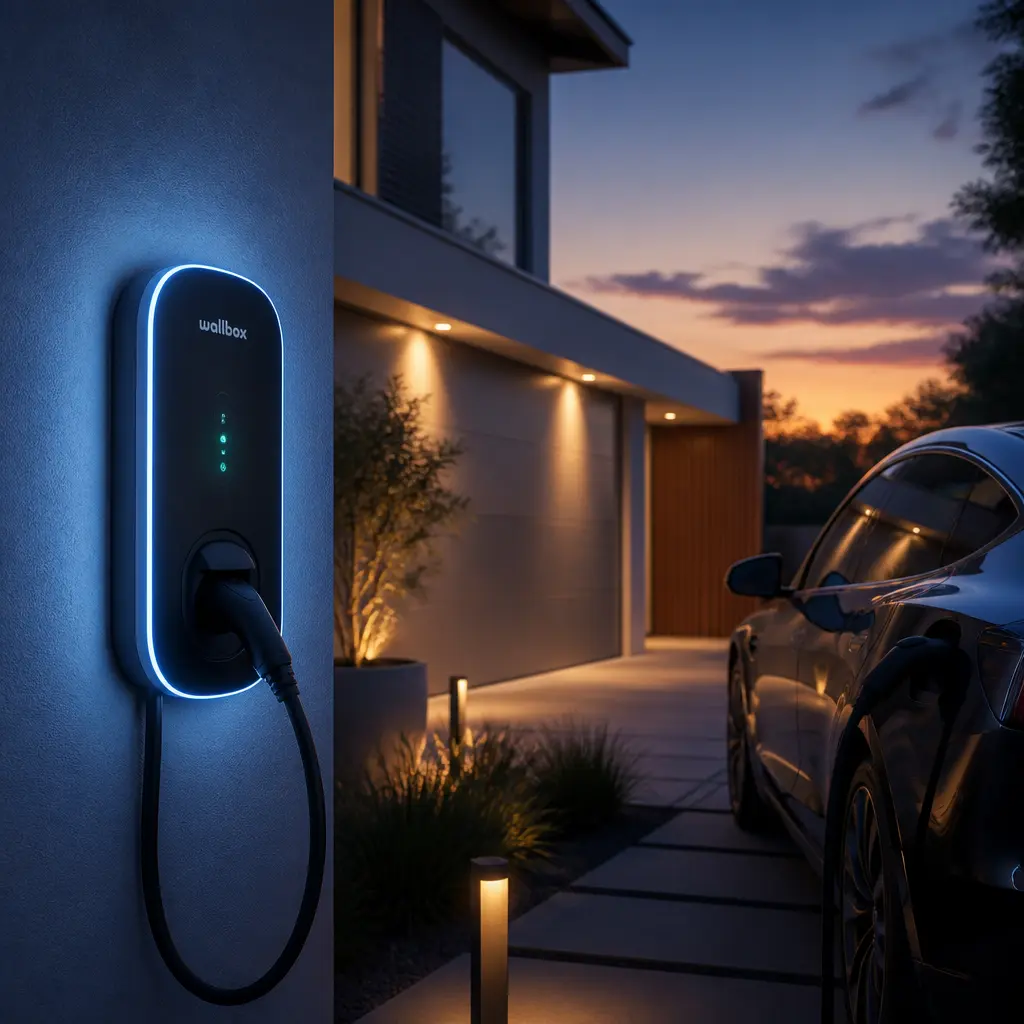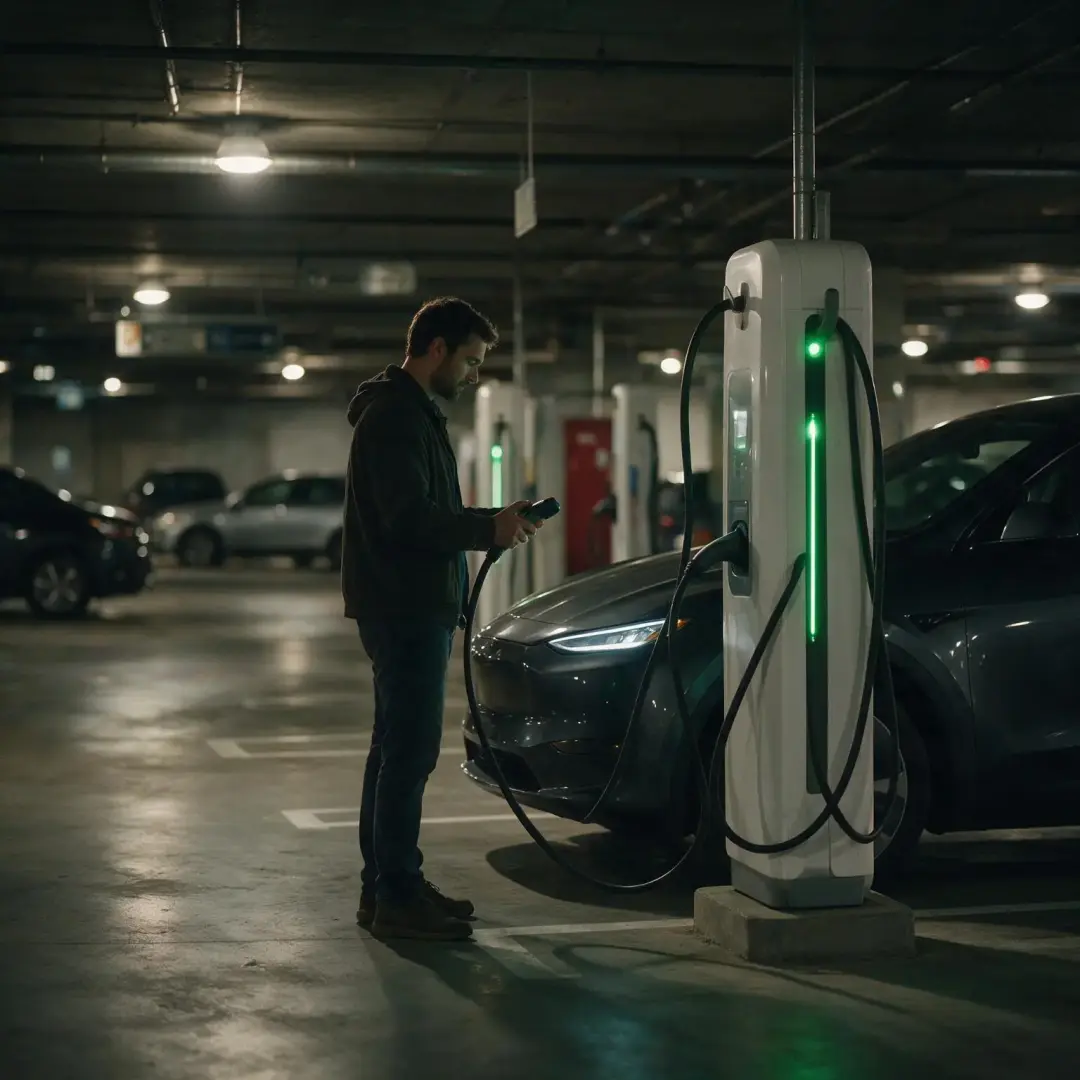
The number of electric vehicle chargers a business needs depends on who will use them, how long vehicles remain parked and how much electrical power is available.
A small workplace may only need one or two charging sockets, while a larger office, public car park or electric vehicle fleet may require a managed network. Careful planning can meet current demand without paying for equipment that is rarely used.
Why Is Business EV Charging Demand Growing?
The number of electric vehicles in the United Kingdom continues to rise. At the end of March 2026, there were 2,148,000 licensed zero emission vehicles. This was 29.6% more than in March 2025.
During the first three months of 2026, 150,000 zero emission vehicles were registered for the first time. This included almost 138,000 zero emission cars.
Zero emission cars represented 21.8% of all new car registrations during this period. Zero emission light goods vehicles represented 8.8% of new registrations in their vehicle group.
These figures mean that more employees, customers, visitors and business vehicle drivers are likely to need charging at commercial sites.
- 2,148,000 zero emission vehicles were licensed at the end of March 2026
- The licensed zero emission vehicle total increased by 29.6% in one year
- 150,000 zero emission vehicles were registered for the first time during the first quarter of 2026
- Zero emission cars made up 21.8% of new car registrations during the first quarter of 2026
- 69,439 workplace charging sockets had received support through the Workplace Charging Scheme by 1 April 2026
There is no single number that will suit every business. The correct amount should be based on actual and expected use rather than the total number of parking spaces.
A business should consider how many vehicles need energy each day, how often each charger can be shared and whether demand is likely to increase over the next few years.
How Many EV Chargers Does a Business Need?
As a starting point, a small business with limited demand may install one or two charging sockets. A larger workplace may provide one socket for every five to ten employees who regularly drive an electric vehicle.
This is only an initial guide. A business where employees park for eight hours may be able to share a smaller number of chargers. A customer site with visits lasting less than one hour may need more sockets or faster equipment.
Fleet vehicles require a different calculation. The business must make sure that each vehicle receives enough energy before its next journey, even when several vehicles return to the site at the same time.
The final number should be confirmed through a site assessment and review of expected use.
Start by Counting Likely Users
The first step is to estimate how many people or vehicles will regularly need to charge. This may include employees, customers, visitors, tenants and vehicles owned or leased by the business.
A staff survey can ask how many employees already drive an electric vehicle, how many plan to obtain one and whether they can charge at home. Employees who live in flats, rent their home or park on the street may depend more heavily on workplace charging.
Customer demand can be estimated by reviewing visitor numbers, average parking times and the types of vehicles using the site.
Fleet demand should be assessed using vehicle mileage, battery size, return times and the energy needed for the next working day.
Businesses should avoid assuming that every electric vehicle must have its own charger. One socket may serve several vehicles when parking rules and charging times are managed properly.
How Can a Staff Survey Help?
A staff survey can provide a clearer view of current and future charging demand. It should ask employees whether they own an electric vehicle, how often they travel to the workplace and whether they have access to charging at home.
The survey can also ask how much distance employees normally travel each day. A driver covering a short distance may only need to charge once or twice a week, while another driver may require energy every working day.
Businesses should review the results carefully because stated interest does not always become daily use. It may be sensible to install a smaller number of chargers first and monitor actual charging sessions.
Consider How Long Vehicles Stay Parked
Parking time has a major effect on the number and type of chargers required. Vehicles parked for a full working day can receive useful energy from a lower-powered charger.
An employee may connect for several hours, even though the vehicle only needs two or three hours of charging. A booking or rotation system could allow another employee to use the same socket later in the day.
Customer sites often have shorter visits. A restaurant, supermarket or leisure facility may require a higher charging rate because drivers have less time available.
Hotels usually have long overnight stays. This means several lower-powered units may be more useful than one expensive rapid charger.
The charger should match the average parking period. Installing faster equipment will not always reduce the number of sockets needed if vehicles continue to occupy the spaces after charging has finished.
How Many Vehicles Can One Charger Serve?
A charger can serve more than one vehicle during a working day when drivers move their cars after receiving enough energy. The exact number depends on the charging rate, energy required and length of the working day.
For example, a socket used for two four-hour sessions could serve two employees. However, this depends on both employees being available to move their vehicles at the correct time.
Clear rules, booking software and notifications can improve sharing. Without these arrangements, drivers may leave fully charged vehicles in charging spaces for the rest of the day.
A business should use a cautious estimate when calculating how many vehicles each socket can support.
Calculate the Energy Needed Each Day
The number of charging sockets cannot be calculated from vehicle numbers alone. The business must also consider how much electricity each vehicle needs.
A vehicle that travels a short distance may only need a small amount of energy. Another vehicle covering many miles could require a much longer session.
Fleet operators can review daily mileage and vehicle energy records. For workplace charging, staff can provide an estimate of their normal return journey.
The business can then compare the total daily energy requirement with the power and time available. For example, several vehicles may be able to share available power across an eight-hour working day.
The calculation should include a suitable allowance for colder weather, unexpected journeys and vehicles arriving with less energy than normal.
An installer can help convert daily travel needs into an estimated number of sockets and a suitable charging rate.
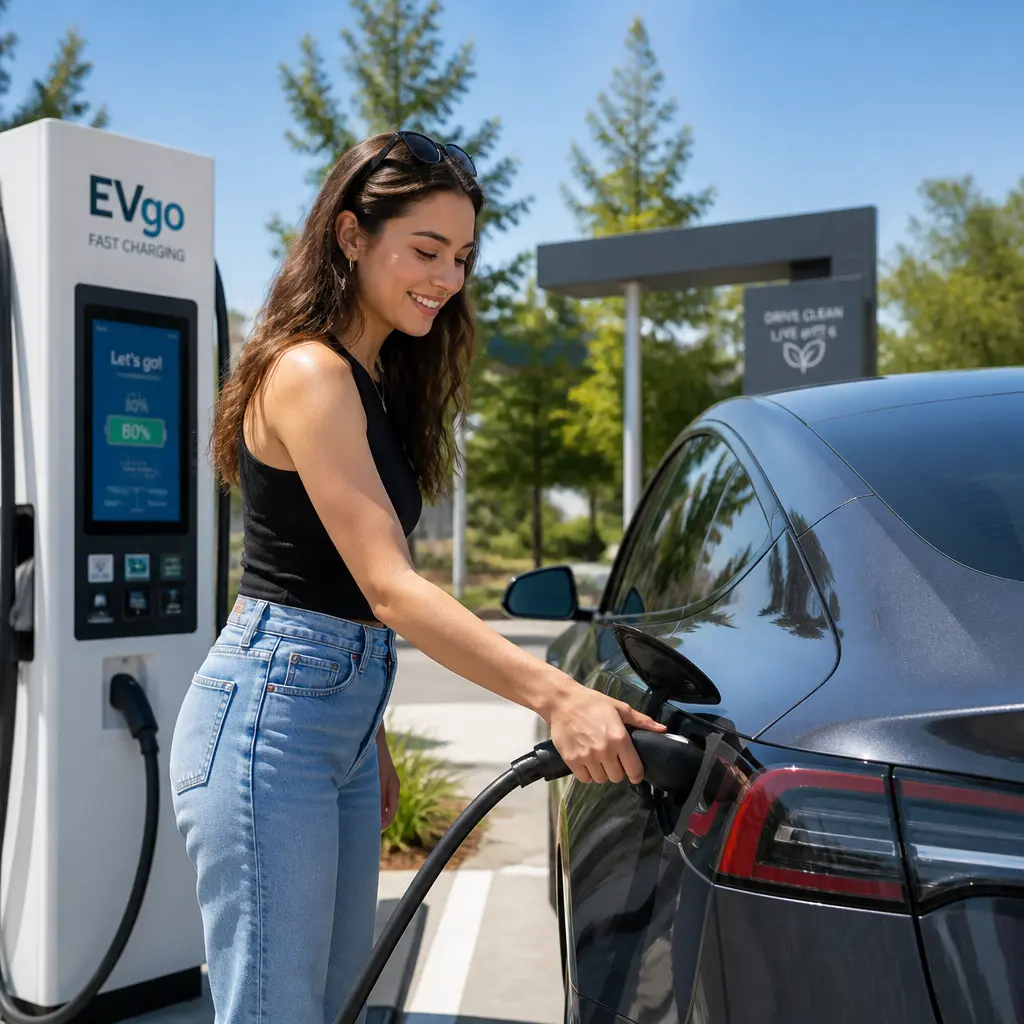
Workplace Charging Requirements
A workplace should base its first installation on the number of employees who are likely to use charging regularly. It should also allow for employees who may change to an electric vehicle in the next few years.
One or two sockets may be enough for a small office where only a few employees currently need charging. A larger workplace may need several sockets supported by a booking or access system.
The business should decide whether charging will be free, paid or deducted from an employee allowance. Clear rules should cover booking, maximum connection times and moving a vehicle once charging is complete.
It may be practical to install the electrical cables and supporting equipment for additional spaces during the first project, even when chargers will not be fitted to every prepared space immediately.
Customer and Visitor Charging Requirements
Customer charging demand depends on the number of visitors, average visit time and the availability of other chargers nearby.
A small shop or office that receives occasional visitors may only require one shared socket. A hotel, shopping centre, restaurant or visitor attraction may need several because charging can influence where electric vehicle drivers decide to stop.
Businesses should consider their busiest periods rather than relying only on an average day. Several chargers may be required when many visitors arrive at the same time.
Publicly available equipment should have clear signs showing its charging rate, price, operating hours and parking conditions.
The business should also decide whether customers will receive priority or whether the equipment will be available to any member of the public.
Fleet Charging Requirements
Business fleets should normally be assessed vehicle by vehicle. The business needs to know when each vehicle returns, how long it remains at the site and how much energy it needs before leaving again.
A fleet of ten electric vans does not always require ten separate chargers. When some vehicles are used on different shifts or require less energy, a managed charging system may share power between them.
However, installing too few sockets can create a serious operational problem if vehicles cannot receive enough energy before their next route.
Vehicles that return late and leave early may require a higher charging rate than those parked overnight. Vehicles used for urgent or long-distance work may also need priority.
A fleet plan should include normal operations, busy periods and unexpected changes. It should not depend on every vehicle returning at exactly the planned time each day.
Does Every Parking Space Need an EV Charger?
Most businesses do not need to place a working charger in every parking space. Installing more units than current demand requires can increase the project cost without providing an immediate benefit.
However, it may be sensible to prepare a larger number of spaces for future equipment. This can include installing cable routes, ducts, electrical distribution equipment and protective systems during the first stage.
Preparing spaces in advance can reduce the need to dig up the car park again when demand increases. It may also reduce disruption to employees, customers and business operations.
The business could install active chargers in the spaces most likely to be used and prepare nearby spaces for later expansion.
The correct balance will depend on expected growth, available funding, the remaining length of the property lease and the difficulty of carrying out further electrical work.
Choose a Suitable Charging Speed
The charging rate affects how much energy can be delivered and how many vehicles can use each socket during the day.
A 7-kilowatt charger is often suitable for workplaces, hotels and fleet vehicles parked for several hours. An 11-kilowatt or 22-kilowatt unit may provide more energy during a shorter stay when the connected vehicle can accept that rate.
Rapid equipment is designed for locations where drivers need to add energy quickly. It may suit roadside services, busy retail sites and fleets with short return periods.
Faster chargers normally cost more to install and may require a stronger electricity connection. A large number of lower-powered sockets can sometimes serve more vehicles than one rapid charger.
Actual charging speed is limited by the vehicle as well as the charger. A vehicle that can only accept 7 kilowatts will not charge at 22 kilowatts when connected to a 22-kilowatt unit.
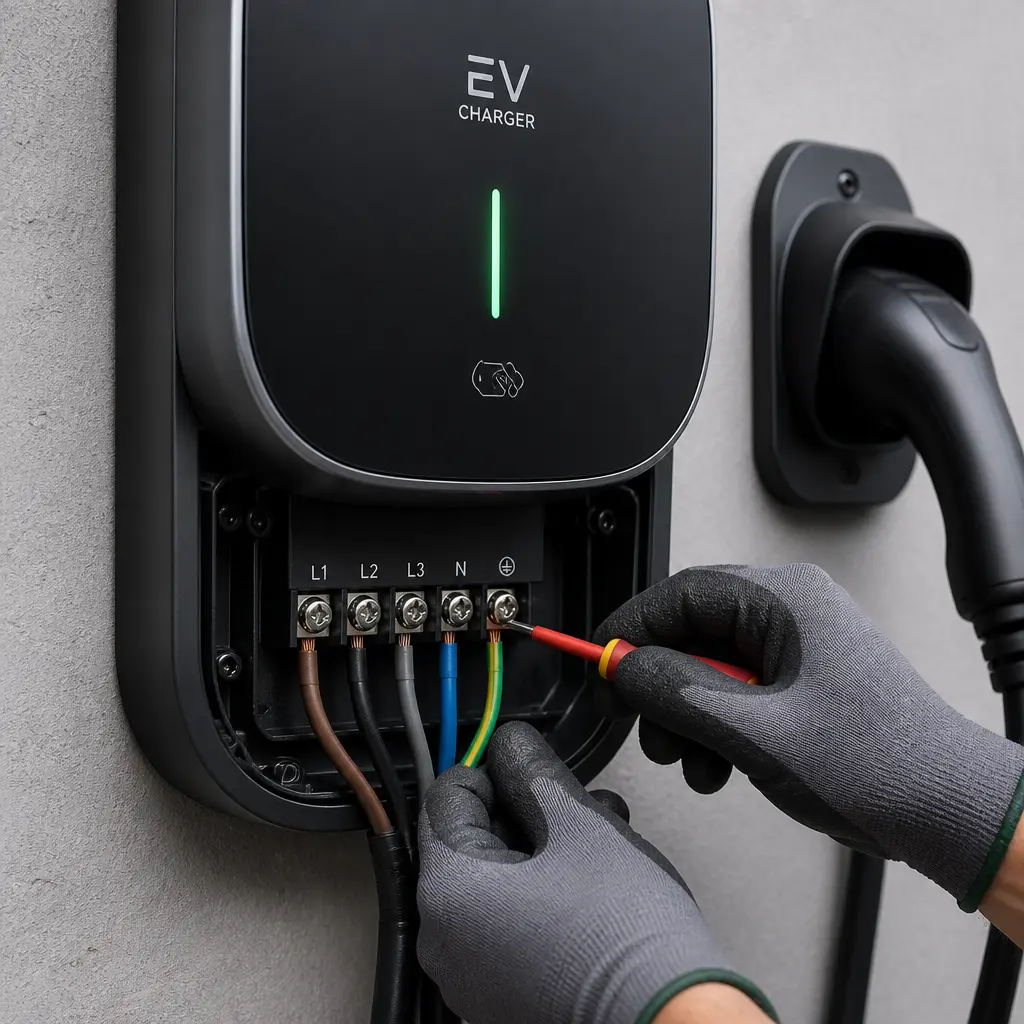
Common charging options for businesses include:
- 7-kilowatt chargers: Often suitable for employees, hotel guests and vehicles parked for several hours
- 11-kilowatt chargers: Can provide more energy during the working day when vehicles support the charging rate
- 22-kilowatt chargers: May suit shorter visits and vehicles that can accept faster alternating current charging
- Rapid chargers: Designed for short stops, busy public sites and vehicles that must return to service quickly
- Managed charging systems: Control and share the available electricity between several connected vehicles
How Does Available Electrical Power Affect Charger Numbers?
A business may have enough parking space for several chargers but not enough spare electrical power to operate every unit at full output at the same time.
A professional assessment should measure the existing electricity demand and identify the amount of spare capacity. It should consider other equipment, heating, lighting and periods when the site uses the most electricity.
Installing several chargers without assessing the supply could overload the connection or lead to an expensive upgrade.
Managed charging can reduce this problem by sharing the available power. When only one vehicle is connected, it may receive a higher rate. When several vehicles connect, the system can reduce or divide the available power.
This approach can allow a business to install more sockets while keeping the total charging demand within a set limit.
What Is Managed EV Charging?
Managed charging controls when and how quickly connected vehicles receive electricity. It can divide a fixed amount of power between several charging sockets.
For example, a site may have enough spare power to operate two chargers at their full rate. A managed system could use the same available power across four or more connected vehicles, depending on how long they remain parked and how much energy they need.
The system may also give priority to fleet vehicles, drivers with an earlier departure time or vehicles with a low battery level.
Some systems can schedule charging when electricity prices are lower or when on-site solar panels are generating power.
Managed charging can reduce the need for a costly electricity supply upgrade, but the business must still confirm that every vehicle can receive enough energy within the available time.
Plan for Peak Demand
A charging system should be able to manage busy periods, not only an average working day. Demand may be higher on particular days, during events or when more employees are present at the site.
Hotels may experience peak demand when many guests arrive during the evening. Fleet depots may have several vehicles returning at the end of a shift. Retail locations may be busiest at weekends.
The business should identify how often these peaks happen and whether every user must charge immediately.
A booking system, time limit or pricing structure may spread demand across the day. Temporary access to a nearby public charger may also form part of a fleet backup plan.
Installing enough sockets for the busiest possible day may be too costly. The aim should be to manage normal demand reliably while having a clear plan for occasional peaks.
Allow for Future Growth
The number of licensed zero emission vehicles in the United Kingdom increased by 29.6% between March 2025 and March 2026. Businesses should therefore consider how charging demand could change after the first installation.
A system that meets present needs may become crowded as employees change vehicles, a fleet expands or more customers expect charging.
Businesses can prepare by selecting equipment that allows additional sockets to be connected to the same control system. They can also install larger cable routes and leave space in electrical equipment for later expansion.
Planning ahead does not mean installing every possible charger immediately. A staged project can control costs while making it easier to respond when demand reaches an agreed level.
Actual use should be reviewed at regular intervals to decide when another stage is needed.
Government Support for Workplace Chargers
The Workplace Charging Scheme can provide support towards the purchase and installation of electric vehicle chargers at eligible workplaces across the United Kingdom.
For qualifying work completed from 1 April 2026, the maximum support increased to £500 for each charging socket. The scheme is available for up to 40 sockets across an organisation’s sites, subject to its current conditions.
The scheme has been extended until 31 March 2027. Applications and installations must meet the current eligibility, property and installer requirements.
By 1 April 2026, the Workplace Charging Scheme had supported 69,439 socket installations since it began in late 2016. A further 5,411 sockets had been funded through the separate scheme for state-funded education institutions.
Businesses should check the latest rules before ordering equipment or beginning installation work.
Should a Business Install Extra Chargers for Visitors?
A workplace that mainly installs chargers for employees may also need one or more sockets for visitors. This can be useful when customers, contractors or employees from another site travel in an electric vehicle.
A shared visitor socket may be enough when visits are occasional. Businesses receiving many visitors may need separate spaces so customer demand does not prevent employees or fleet vehicles from charging.
Access can be controlled through a card, mobile application, booking system or temporary code. The business should decide whether visitors will pay and whether advance booking is required.
Visitor spaces should be easy to find and clearly marked. Directions, access times and payment details should be provided before arrival where possible.
Accessible charging spaces should also be considered as part of the parking and site design.
When Should More Chargers Be Added?
A business should monitor how often its existing chargers are used. Useful information includes the number of sessions, connection times, energy supplied and periods when every socket is occupied.
More chargers may be needed when drivers regularly cannot access a socket, bookings remain full or fleet vehicles are failing to receive enough energy.
High connection time does not always mean another charger is required. Drivers may be leaving vehicles connected after charging has finished. Better parking rules or notifications could release existing spaces more quickly.
The business should also review whether the problem occurs every day or only during occasional peaks.
A clear expansion point can be agreed during the first installation. For example, the next stage could begin when most sockets are occupied during the busiest part of the day for several weeks.
What Should a Business Check Before Installation?
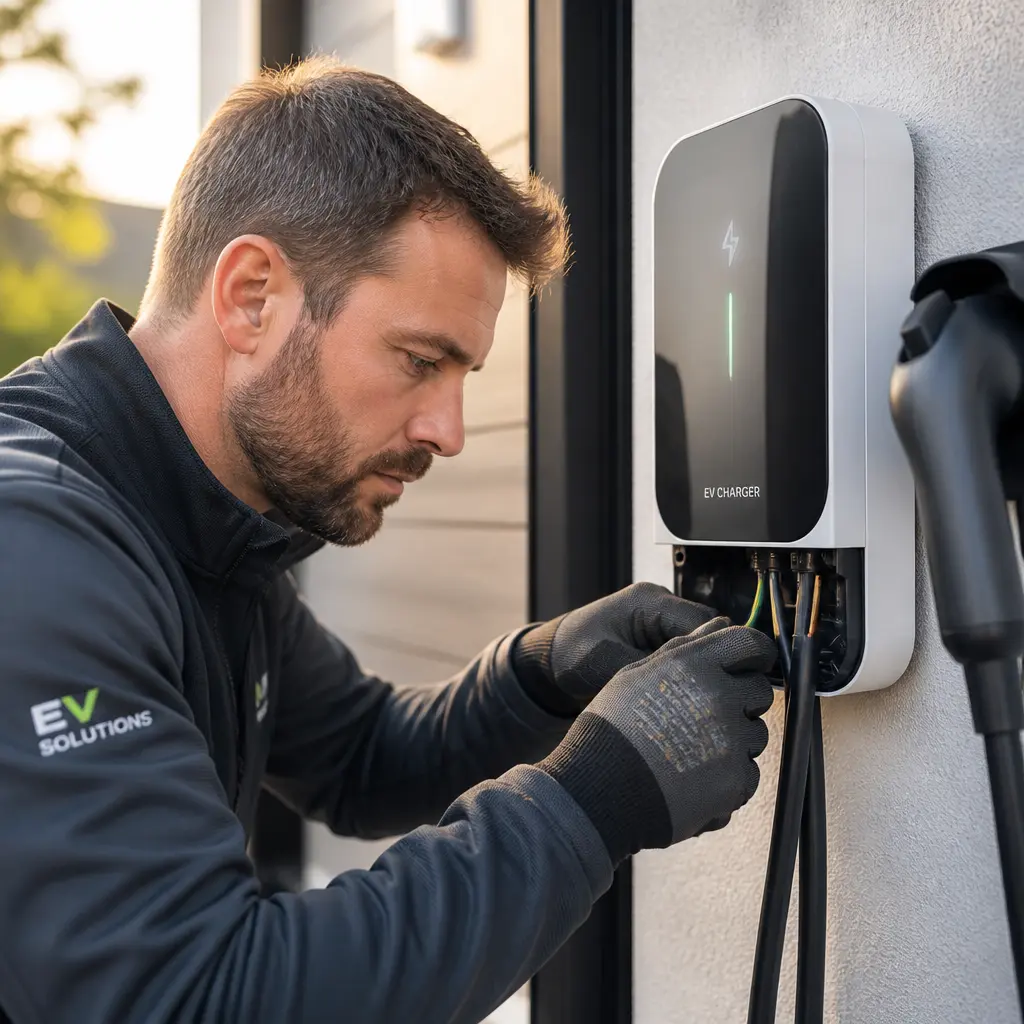
A professional site assessment should examine the electrical supply, proposed charger locations, parking arrangement and expected charging demand.
The installer should review cable routes, protective equipment, internet access and whether managed charging could avoid or delay an electrical supply upgrade.
The business should consider lighting, signs, protective posts and safe routes for pedestrians. Cables must not block walkways or create a trip risk.
Controls, screens and connections should be placed where they can be reached by as many users as possible. Suitable accessible spaces should be included where required.
Permission may be needed from the property owner, landlord, electricity network operator or local planning authority.
The assessment should result in a clear plan covering the initial number of sockets, charging rates, available power and options for future expansion.
Frequently Asked Questions
```How Many EV Chargers Does a Small Business Need?
A small business may begin with one or two charging sockets when only a few employees, customers or business vehicles need charging. Actual use should be monitored before more units are added.
Does Every Electric Vehicle Need Its Own Charger?
No. Several vehicles may share one socket when they remain parked for long periods and drivers move them after charging. Fleet vehicles with limited parking time may require more dedicated sockets.
Is One Charger Enough for a Workplace?
One charger may be enough when demand is low. The business should prepare for occasions when two employees or visitors need to charge at the same time.
Should a Business Install Rapid Chargers?
Not always. Lower-powered equipment is often suitable for workplaces, hotels and vehicles parked overnight. Rapid charging is more useful where vehicles must leave again after a short stop.
Can More EV Chargers Be Added Later?
Yes. Installing suitable cable routes, electrical equipment and supporting infrastructure during the first project can make future expansion easier and less disruptive.
How Do You Calculate the Right Number of EV Chargers?
The right number of chargers is based on the number of likely users, the energy each vehicle needs and the amount of time available for charging.
A business should begin by surveying employees, reviewing customer parking information or examining fleet travel records. It should then compare the expected daily energy requirement with the proposed charger power and operating hours.
Available electrical capacity must also be considered. Managed charging may allow several sockets to share the same amount of power without requiring every unit to operate at its full rate.
Many businesses can start with a small number of active chargers while preparing additional spaces for future equipment. Use should then be monitored so expansion is based on clear evidence.
A professional assessment can bring these points together and recommend a system that meets present demand while allowing the business to grow.
Are you deciding how many EV chargers your business needs? Wigan Electrical Solutions can assess your electrical supply, parking area, vehicle use and expected demand before recommending a suitable commercial charging system. Contact the team to arrange a professional assessment and installation for Wigan, Manchester, Liverpool and Bolton.