This article explores: How many solar panels does a home need? Most homes need between six and twelve solar panels, although the correct number depends on electricity use, roof space, location and the power rating of each panel.
A smaller home with low electricity use may need only four to six panels. A larger household, or a property with an electric car or heat pump, may need twelve panels or more.
What Is the Average Number of Solar Panels for a Home?
The Energy Saving Trust states that an average home solar panel system is around 3.5 kilowatt peak. This will usually require between six and twelve panels and around 10 to 20 square metres of suitable roof space.
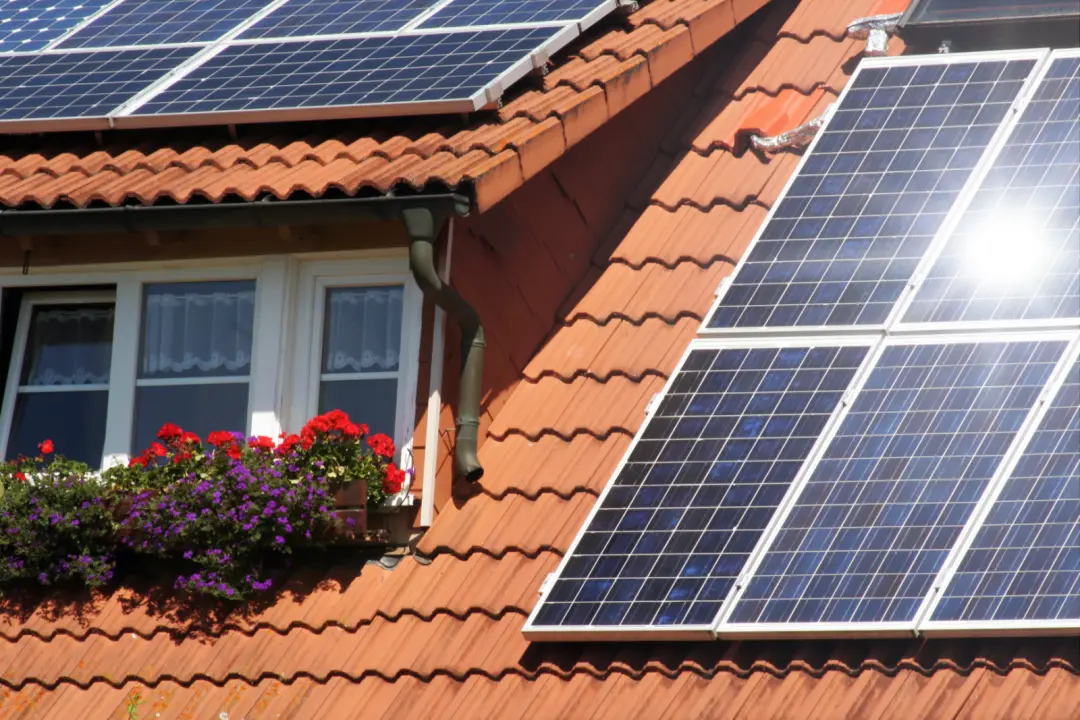
The number that can be installed will depend on the size and shape of the roof. Chimneys, roof windows, vents and shaded sections can all reduce the usable area.
How Do You Calculate How Many Solar Panels You Need?
A useful estimate starts with the amount of electricity the household uses each year. This figure can normally be found on an electricity bill or online energy account.
From July 2026, Ofgem's typical annual electricity use figure for a medium-use household is 2,500 kilowatt hours. Actual use can be much lower or higher depending on the property and the people living there.
A basic calculation involves three steps:
- Check the household's total electricity use for the last 12 months.
- Choose the expected power rating of each solar panel.
- Estimate how much electricity the full system will generate each year.
Modern domestic panels often have a power rating of around 350 to 450 watts. For example, ten panels rated at 400 watts would create a system rated at 4,000 watts, or 4 kilowatts peak.
How Many Panels Does a Typical Household Need?
A household using about 2,500 kilowatt hours of electricity each year may need approximately eight to ten modern 400-watt panels.
This is only a broad estimate. The final number will depend on the expected annual output in the property's location, as well as the direction, angle and condition of the roof.
A professional installer should provide a written generation estimate before work begins.
Estimated Solar Panel Numbers by Electricity Use
The following figures provide a general starting point based on panels rated at around 400 watts.
| Annual Electricity Use | Possible System Size | Estimated Number of Panels |
|---|---|---|
| 1,500 to 2,000 kilowatt hours | 2 to 2.5 kilowatts peak | 5 to 7 |
| 2,000 to 3,000 kilowatt hours | 3 to 4 kilowatts peak | 8 to 10 |
| 3,000 to 4,000 kilowatt hours | 4 to 5 kilowatts peak | 10 to 13 |
| 4,000 to 5,500 kilowatt hours | 5 to 6 kilowatts peak | 13 to 15 |
| More than 5,500 kilowatt hours | 6 kilowatts peak or more | 15 or more |
These figures do not mean the panels will produce exactly the same amount of electricity as the home uses. Solar generation changes throughout the day and across the year.
How Does Roof Direction Affect the Number of Panels?
An unshaded south-facing roof will usually provide the strongest annual solar output in the United Kingdom.
South-Facing Roofs
A south-facing roof normally receives the most direct sunlight across the day. This may allow the household to reach its target output with fewer panels.
East-Facing and West-Facing Roofs
East-facing and west-facing roofs can still be suitable. However, they may generate around 15% to 20% less electricity than an equivalent south-facing system.
North-Facing Roofs
North-facing roofs are usually less suitable because they receive less direct sunlight. An installer may recommend using another roof section, a garage or a suitable ground-mounted system.
Split Roof Systems
Some systems divide panels between east-facing and west-facing roof sections. This can spread generation across the morning and afternoon rather than producing most electricity around midday.
Roof Angle
The roof angle also affects output. A professional survey should consider both direction and angle when estimating yearly generation.
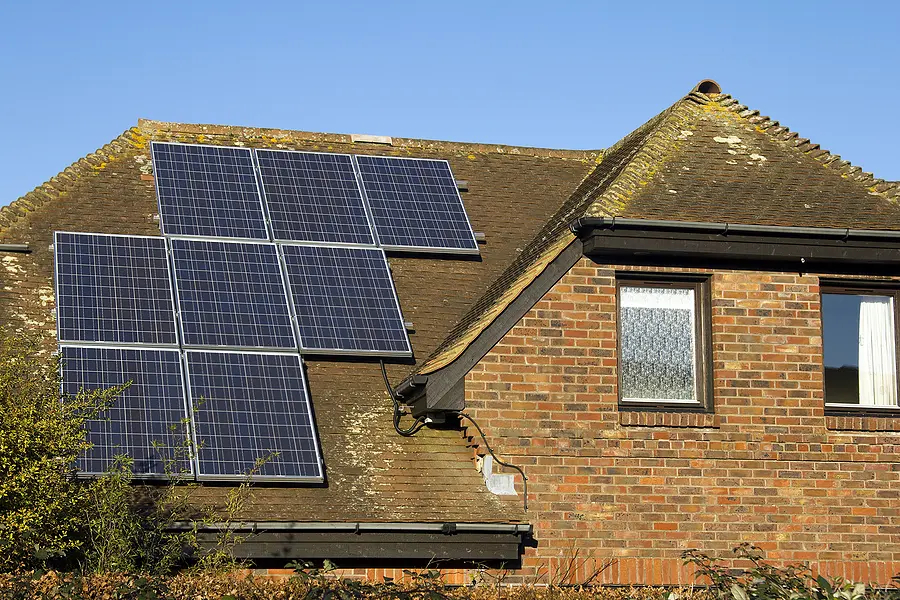
We recently worked with Steven in Wigan, who got in touch because he wanted to know how many solar panels would be right for his home. He wanted to lower his electricity bills, but not install more panels than he actually needed. We looked at how much electricity he used, the size of his roof and which way it faced. After checking everything, we recommended 10 solar panels as a good fit for his home.
Once the system was installed, Steven could start using more of the electricity his home was generating during the day, which meant buying less from the grid. His experience shows why the number of solar panels a home needs can vary. It really depends on things like how much electricity you use, how much roof space you have and the direction your roof faces. That is why we always look at the home first before suggesting the right setup.
by JAMIE TUCKER, Wigan Electrical SolutionsHow Does Shading Affect the Number of Solar Panels?
Shade can reduce the amount of electricity produced by a solar panel system. Common causes include trees, chimneys, nearby buildings, aerials and other parts of the roof.
A clear east-facing or west-facing roof may perform better than a heavily shaded south-facing roof.
Adding more panels does not always solve a shading problem. The installer should first identify which parts of the roof receive reliable sunlight throughout the year.
How Much Roof Space Do Solar Panels Need?
A typical home system using six to twelve panels may need between 10 and 20 square metres of roof space.
The full roof area may not be available because clear space is often needed around roof edges, chimneys, windows, vents and access points.
The roof should also be checked to make sure it is in good condition and strong enough to support the system. Completing any required roof repairs before installation may prevent extra costs later.
Should Solar Panels Cover All Household Electricity Use?
It is not always necessary or practical to install enough panels to match all yearly electricity use.
Solar panels generate electricity during daylight hours, but homes also use power at night. A system may produce as much electricity as the home uses over a full year while still exporting electricity on bright days and importing it during evenings and winter.
The system should therefore be based on both the amount of electricity used and the times when it is used.
Does a Solar Battery Reduce the Number of Panels Needed?
A battery does not increase the amount of electricity generated. It will not normally reduce the number of panels required to meet a set annual generation target.
Instead, a battery stores spare electricity for later use. This may allow a household to use more of the electricity generated during the day after the sun has gone down.
The battery capacity, panel system size and household electricity use should be considered together.
How Many Panels Are Needed for an Electric Car?
An electric car can greatly increase annual household electricity use. The extra amount will depend on annual driving distance, vehicle efficiency, charging losses and how often the car is charged at home.
Adding around three to six panels may help cover part of the extra electricity use, but this is only a general estimate.
Charging during sunny periods can increase the amount of solar electricity used directly.
How Many Panels Are Needed for a Heat Pump?
A heat pump will increase a home's electricity use because it provides heating and, in some cases, hot water.
An average domestic solar system of around 3.5 kilowatts peak may produce enough electricity over a year to balance some or all of a typical heat pump's annual electricity use.
However, heat pumps use the most energy during colder months, when solar generation is lower. A home with both a heat pump and normal household electricity use may need a larger system where roof space allows.
Is It Better to Install Extra Solar Panels?
Installing extra panels may be sensible when household electricity use is expected to rise.
Future changes may include:
- An electric car
- A heat pump
- Electric water heating
- Air conditioning
- A home office
- More people living in the property
Adding panels during the first installation may be easier than extending the system later. However, the inverter, wiring and electricity network connection must be suitable for the planned system size.
Current Solar Panel Statistics
Solar power use continues to grow across the United Kingdom and worldwide.
The United Kingdom passed two million solar installations across homes, buildings and solar farms in March 2026.
During 2025, approximately 269,000 solar installations were completed across the country. Around 255,000 of these were rooftop systems.
Worldwide solar capacity reached almost 3 terawatts during 2025. Solar power supplied more than 10% of global electricity demand during that year.
What Should You Check Before Choosing a System?
Before accepting a solar panel quote, ask the installer to provide clear information about the proposed system.
- The number and power rating of the panels
- The total system size
- The expected annual electricity generation
- A roof plan showing the position of each panel
- The expected effect of shading
- The panel and inverter warranties
- The amount of electricity likely to be used in the home
- The amount of electricity likely to be exported
- Any recommended battery size
- Confirmation that the roof is suitable
- Details of installation and safety certificates
It is sensible to compare several written quotes. Each installer should use the same household electricity figures so the proposed systems can be compared fairly.
Frequently Asked Questions
Are Ten Solar Panels Enough for a Home?
Ten modern 400-watt panels create a 4-kilowatt peak system. This may be suitable for a medium-use household, but actual performance will depend on location, roof direction and shading.
Can a House Run Fully on Solar Panels?
Solar panels can provide a large share of a home's yearly electricity, but most homes will still use electricity from the network at night or during periods of low generation.
Do More Panels Always Mean Greater Savings?
More panels increase possible generation, but savings depend on how much electricity is used in the home, how much is exported and the price paid for the system.
Can Solar Panels Be Added Later?
Panels may be added later, but the existing inverter, wiring, roof space and network approval must be checked first. Expanding a system can sometimes cost more than installing a larger system from the start.
How Many Solar Panels Does a Home Need?
For many homes, six to twelve solar panels will provide a suitable system. A household using around 2,500 kilowatt hours of electricity each year may need roughly eight to ten modern 400-watt panels.
Smaller households may need fewer panels. Larger homes, or properties with an electric car, heat pump or high daytime electricity use, may benefit from twelve to sixteen panels or more.
The correct number should be based on annual electricity use, roof space, panel rating, direction, shade, location and future energy plans. A detailed property survey and generation estimate should always be completed before making a final decision.
We hope this article helped you with the question: How many solar panels does a home need? Do you need Solar PV Installation in Bolton, Wigan, Manchester or Liverpool? If you are looking for professional solar panel installation to help power your property, Wigan Electrical Solutions is here to help. We provide solar panel and electrical installations for domestic and commercial customers across Wigan and the surrounding north-west.