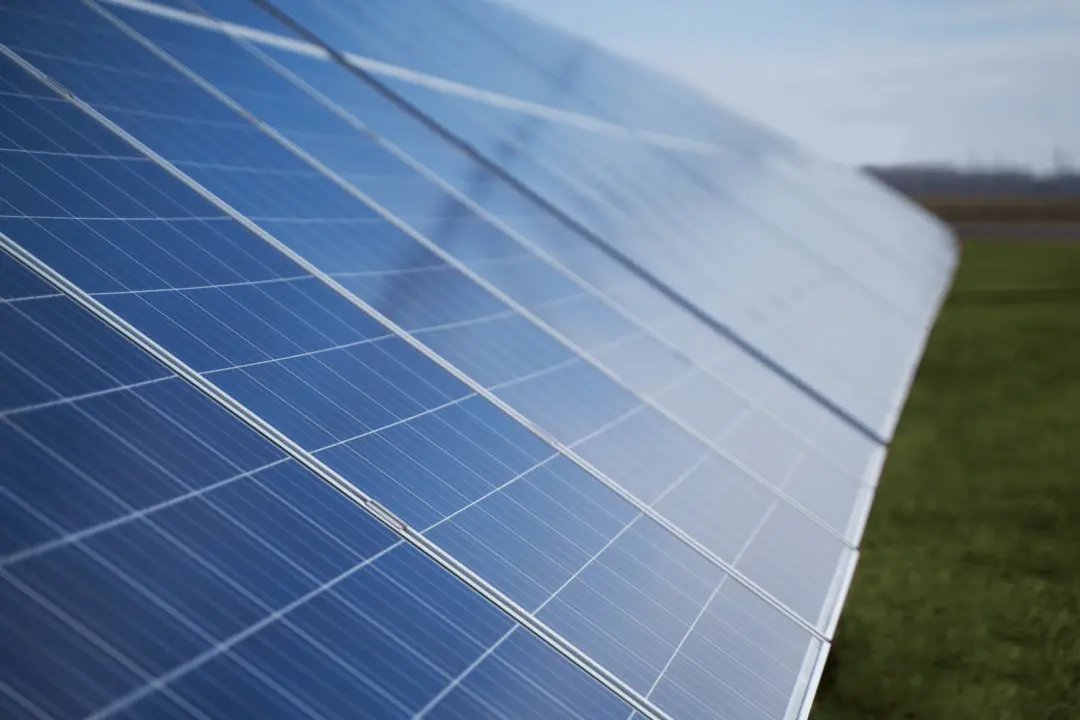
Choosing solar panels is not simply a matter of finding the lowest price. The right system must suit your roof, electricity use, budget and plans for the property.
Panel efficiency, system size, warranties, installation quality and expected electricity generation should all be considered. Comparing these points carefully can help you choose a reliable system that produces useful electricity for decades.
Why Is Choosing the Right Solar Panels Important?
Solar panels are a long-term investment. Most good-quality panels should continue generating electricity for at least 25 years, so your decision can affect your energy bills for a large part of your time in the property.
A suitable system can lower the amount of electricity you need to buy from your supplier. It may also allow you to receive payments for unused electricity that is exported to the electricity network.
However, an unsuitable system may produce less electricity than expected. Panels could be placed in a shaded area, the system may be too large or too small, or the warranties may offer limited protection.
How Common Are Solar Panels?
Solar power continues to grow in the United Kingdom. Government figures show that 269,000 solar installations were completed during 2025. This was the highest number recorded in a calendar year and was 37% higher than the total for 2024.
The United Kingdom passed two million solar installations across homes, businesses and solar farms in March 2026. More than 27,000 installations were completed during that month alone.
Growth is also taking place worldwide. More than 600 gigawatts of solar generating capacity were added during 2025, taking worldwide capacity to about 2,800 gigawatts. Solar provided more than three-quarters of all new renewable energy capacity added that year.
Start by Understanding Your Electricity Use
Before comparing panels, look at how much electricity your household normally uses. You can find this information on recent electricity bills or through an online account with your energy supplier.
Think about when you use electricity as well as how much you use. Solar panels produce electricity during daylight hours, with the strongest output usually around the middle of the day.
A household that uses washing machines, dishwashers, heating controls or other electrical equipment during the day may use more of its solar electricity directly. Someone who is away from home all day may export a larger share unless the system includes battery storage.
Consider whether your electricity use may change in the future. You may be planning to:
- Buy an electric vehicle
- Install an electric heating system
- Work from home more often
- Add air conditioning
- Build an extension
- Install battery storage
These changes could increase your electricity needs and affect the most suitable system size.
Check Whether Your Roof Is Suitable
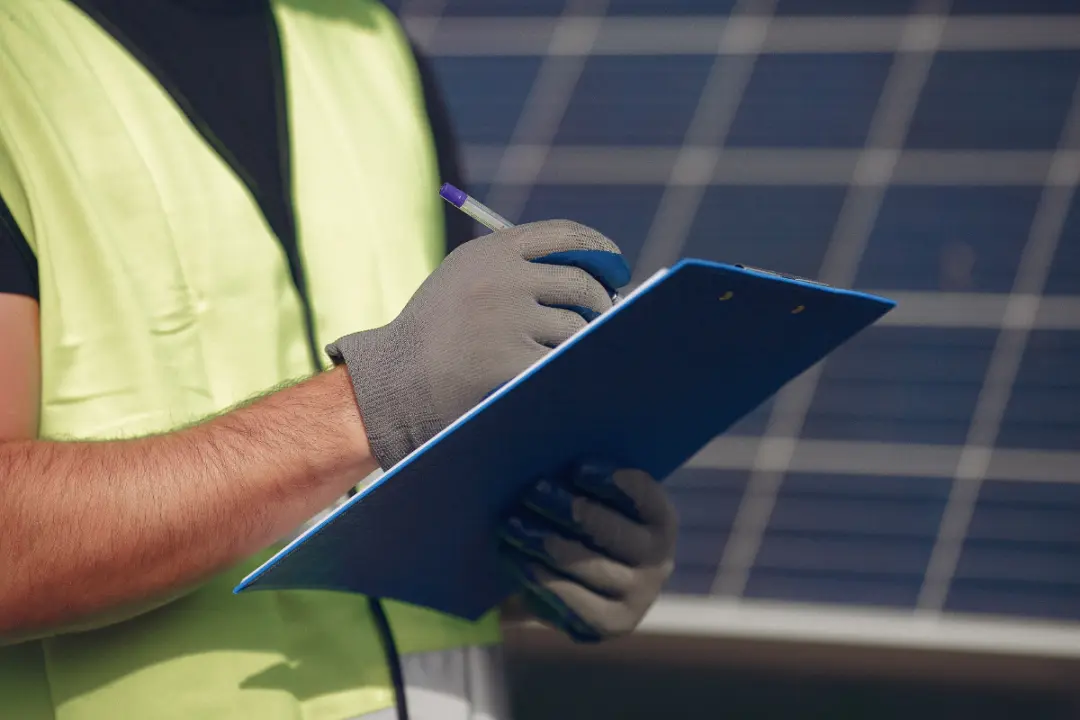
The amount of electricity a solar system can produce depends heavily on its location. An installer should inspect the roof before recommending a system.
Roof Direction
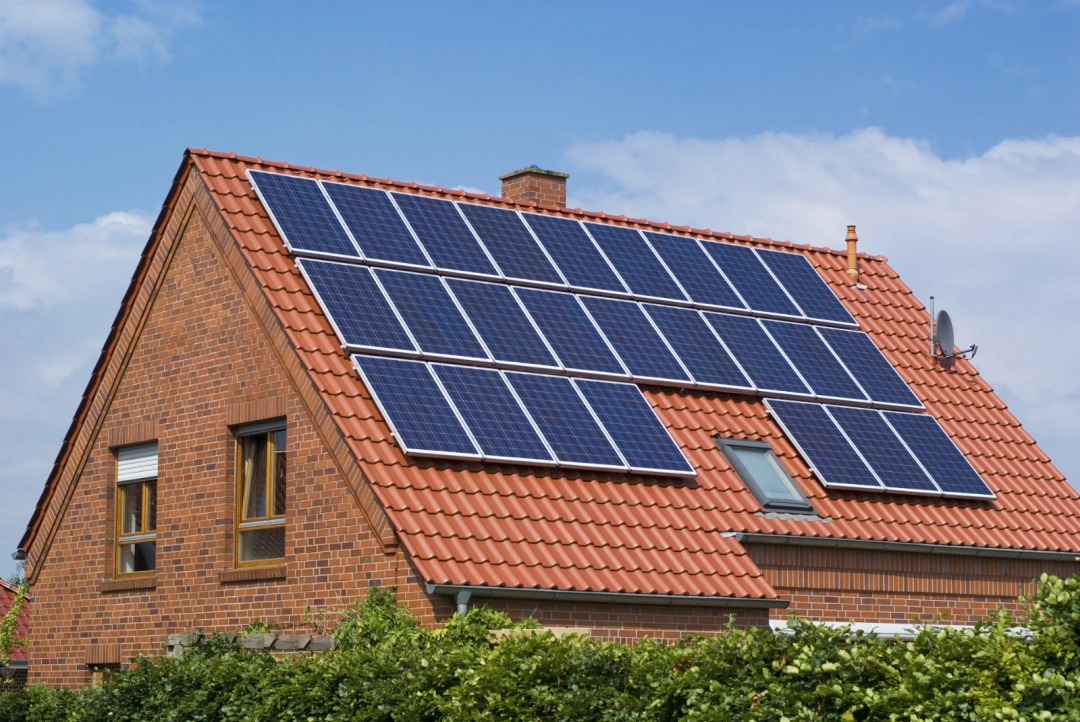
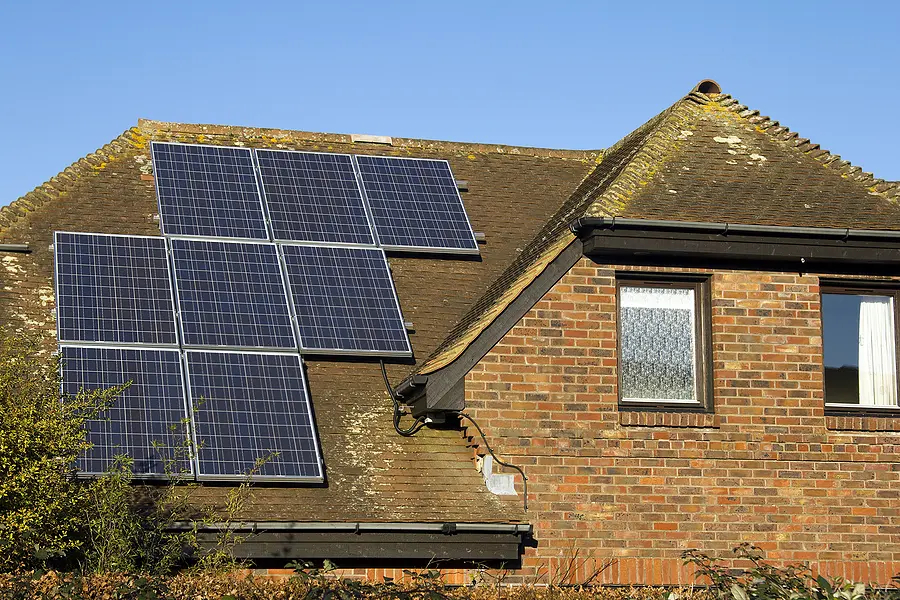
A south-facing roof will usually receive the most sunlight over the course of a day in the United Kingdom. However, east-facing and west-facing roofs can also be suitable.
East-facing panels tend to generate more electricity during the morning, while west-facing panels tend to produce more later in the day. This may be useful if your electricity use is higher at those times.
Roof Angle
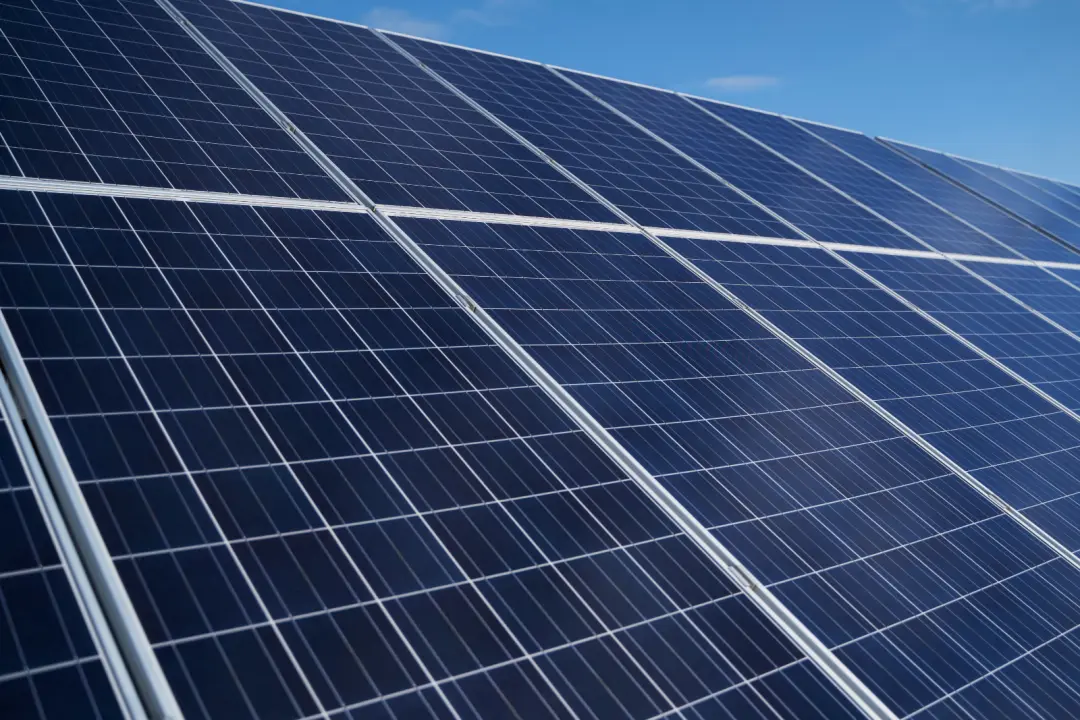
The angle of the roof affects how much direct sunlight reaches the panels. Installers should calculate expected output using the direction, angle and location of your roof rather than relying on a general estimate.
Roof Condition
Your roof must be strong enough to support the panels and mounting equipment. Damaged tiles, leaks or weak roof sections should be repaired before installation.
If the roof is likely to need replacing soon, completing that work first can prevent the cost of removing and refitting the panels later.
Available Space
Roof windows, chimneys, vents and changes in roof shape can reduce the space available. Higher-output panels may be useful where roof space is limited, although they may cost more.
Consider the Effect of Shade
Shade can have a major effect on electricity generation. Nearby trees, chimneys, aerials and other buildings may block sunlight at different times of day.
The level of shading can also change through the year. A tree that creates little shade during winter may cover a larger section of the roof when it grows leaves. New buildings or growing trees may cause further problems in the future.
Ask each installer to complete a proper shade assessment. The quotation should explain how shade has been included in the expected generation figures.
Some systems use equipment that allows each panel to operate more independently. This may reduce the effect of partial shade, but it will not create sunlight where none reaches the roof.
Compare Solar Panel Types
Most household solar panels use silicon cells. However, their design, appearance, output and price can differ.
Monocrystalline Panels
Monocrystalline panels are made using cells formed from a single silicon structure. They are widely used for modern home installations and normally have a dark or black appearance.
They tend to provide strong output for their size, making them suitable for homes with limited roof space. They can cost more than some alternatives, although prices differ between manufacturers.
Polycrystalline Panels
Polycrystalline panels are made using cells formed from several silicon pieces. They often have a blue appearance and may provide slightly less output for the same roof area.
They may still be suitable where plenty of roof space is available. However, they are less common in new household installations than they once were.
Thin-Film Panels
Thin-film panels use very thin layers of light-absorbing material. They can be lighter and more flexible than standard panels, but they normally require more space to produce the same amount of electricity.
They are more commonly used for certain commercial buildings or specialist projects than for an average house roof.
Understand Panel Efficiency
Solar panel efficiency describes how much of the sunlight reaching a panel is turned into electricity. A more efficient panel can generate more electricity from a smaller area.
Efficiency is particularly important when roof space is limited. For example, a smaller number of high-efficiency panels may produce a similar amount of electricity to a larger number of lower-efficiency panels.
However, the most efficient panel is not automatically the best choice. A moderately efficient system may provide better value if you have enough roof space and the total installed cost is lower.
Compare the estimated yearly generation of the complete system rather than judging a quotation by the efficiency percentage alone.
Choose the Right System Size
The size of a solar system is normally shown by its maximum generating capacity. A larger system can produce more electricity, but it will also require more panels, more roof space and a higher initial payment.
The correct size depends on:
- Your yearly electricity use
- When you normally use electricity
- The amount of suitable roof space
- Roof direction and shading
- Your available budget
- Whether you plan to install a battery
- Possible future changes in electricity use
A larger system is not always better. Electricity that you use directly can often be more valuable than electricity exported to the network. Your installer should estimate how much electricity you are likely to use and how much you may export.
Ask for a clear explanation of why the recommended system size suits your property. Be cautious if a quotation recommends filling every available part of the roof without considering your electricity use.
Check the Output of Each Panel
Individual solar panels are sold with a stated maximum output. A panel with a higher figure can generate more power under standard test conditions.
Higher-output panels can be helpful when roof space is limited. However, the stated figure is measured under controlled conditions and should not be treated as the amount the panel will produce throughout normal use.
Real output changes with sunlight, temperature, shade, roof direction and the condition of the system. The estimated yearly generation for your property is therefore more useful than the maximum figure printed on the panel.
Compare Performance in Hot Weather
Solar panels need sunlight, but very high panel temperatures can reduce their output. Each product should have information showing how its performance changes as its temperature rises.
A panel that handles heat well may produce more electricity during hot, sunny periods than another panel with the same stated maximum output.
This does not mean that solar panels are unsuitable for warm weather. It simply means that heat performance is another useful point to compare, particularly on dark roofs or in locations with strong direct sunlight.
Check How Quickly Output Will Fall
Solar panels do not usually stop working at the end of their warranty. Their electricity output normally falls slowly as the materials age. This process is called degradation.
Many panels are sold with a performance promise covering 25 or 30 years. It may state that the panel will still produce a certain percentage of its original output at the end of that period.
Compare:
- The permitted reduction during the first year
- The permitted yearly reduction after the first year
- The guaranteed output after 25 or 30 years
- The steps required to make a claim
- Whether testing, labour and replacement costs are included
A small difference in yearly degradation can affect the amount of electricity produced over the full life of the system.
Understand the Different Warranties
A long performance warranty is useful, but it should not be the only form of protection you check. A solar installation may include separate cover for the panels, inverter, mounting equipment and installation work.
Product Warranty
The product warranty normally covers faults caused by materials or manufacturing. Check how long it lasts and whether it includes collection, labour and replacement costs.
Performance Warranty
The performance warranty promises that the panels will maintain at least a stated level of output. It does not necessarily cover a physical fault or pay for the labour needed to replace a panel.
Installation Warranty
The installation warranty covers the quality of the installer’s work. This may include roof fixings, weather protection, wiring and other parts of the installation.
Inverter Warranty
The inverter converts the electricity from the panels into electricity that can be used in the property. It usually has its own warranty and may need replacing before the panels.
Research the Manufacturer
A warranty is only useful if the business supporting it remains available and follows a fair claims process.
Look for a manufacturer with an established history, clear United Kingdom contact details and written warranty terms. Check who will handle a claim if the installer is no longer trading.
Do not rely only on claims such as “premium”, “high performance” or “best quality”. Ask for the exact product name, technical information and warranty documents before agreeing to the installation.
Choose a Suitable Inverter
The inverter is an essential part of the system. Its size and design must match the number and output of the panels.
A single central inverter is commonly used for household systems. Other systems may use smaller devices connected to individual panels. Individual control can be useful for roofs with different directions or areas of partial shade.
Ask where the inverter will be placed, how much noise it may make and how you will monitor the system. It should be installed in a suitable location with enough ventilation and protection from unsuitable temperatures or moisture.
The Energy Saving Trust states that an inverter may need replacing after about 12 years. This possible future cost should be included when you consider the long-term value of the system.
Decide Whether You Need Battery Storage
A battery stores electricity that your panels produce but your property does not use immediately. The stored electricity can then be used later, such as during the evening.
Battery storage may increase the amount of solar electricity you use yourself. However, it also adds to the purchase price and will have its own capacity limits, expected life and warranty.
Ask for separate figures showing the expected cost and savings of:
- Solar panels without a battery
- Solar panels with a battery
- Adding a battery at a later date
This comparison can help you decide whether the extra cost is suitable for your electricity use. Do not assume that every home needs a battery.
Choose a Qualified Installer
Even high-quality panels can perform poorly if they are designed or fitted incorrectly. Installation quality is therefore just as important as the panel brand.
Choose an installer certified through the Microgeneration Certification Scheme. This scheme sets requirements for products, design work and installation standards.
Using a certified installer may also be required before you can apply for an export payment from an electricity supplier.
The Energy Saving Trust recommends obtaining quotations from at least three certified installers. This allows you to compare equipment, expected output, warranties and total costs.
What Should a Solar Panel Quotation Include?
Each quotation should provide enough information for you to understand exactly what is being offered. It should include:
- The make and model of every main product
- The number of panels
- The output of each panel
- The total system size
- A roof plan showing panel positions
- An assessment of roof direction and shade
- Estimated yearly electricity generation
- Estimated electricity use and export levels
- The panel, inverter and installation warranties
- The total price, including tax and labour
- Any extra work that is not included
- Expected maintenance and replacement costs
- The expected completion date
Make sure you are comparing quotations based on the same assumptions. One installer may use a higher electricity price or a more generous estimate of future output, which can make the expected savings appear larger.
Do Not Compare Systems by Price Alone
The lowest quotation may not provide the best long-term value. A cheaper system could include weaker warranties, lower-output panels, limited monitoring or equipment from a manufacturer with little support in the United Kingdom.
Compare the price with the expected lifetime generation. A slightly more expensive system may provide better value if it generates more electricity, loses output more slowly or includes stronger warranty cover.
You should also check how payments are arranged. Be cautious about pressure to pay a large deposit immediately or sign an agreement before a proper property survey has taken place.
Check Planning and Electricity Network Requirements
Many household solar installations can be completed without making a full planning application. Different rules may apply to listed buildings, properties in conservation areas and certain roof positions.
Your installer should explain whether permission is likely to be required, but responsibility for following planning and building rules remains with the property owner.
The local electricity network may also need to be informed. Larger systems may require approval before installation. Ask the installer who will complete the necessary forms and whether any network limit has affected the proposed design.
Consider Appearance
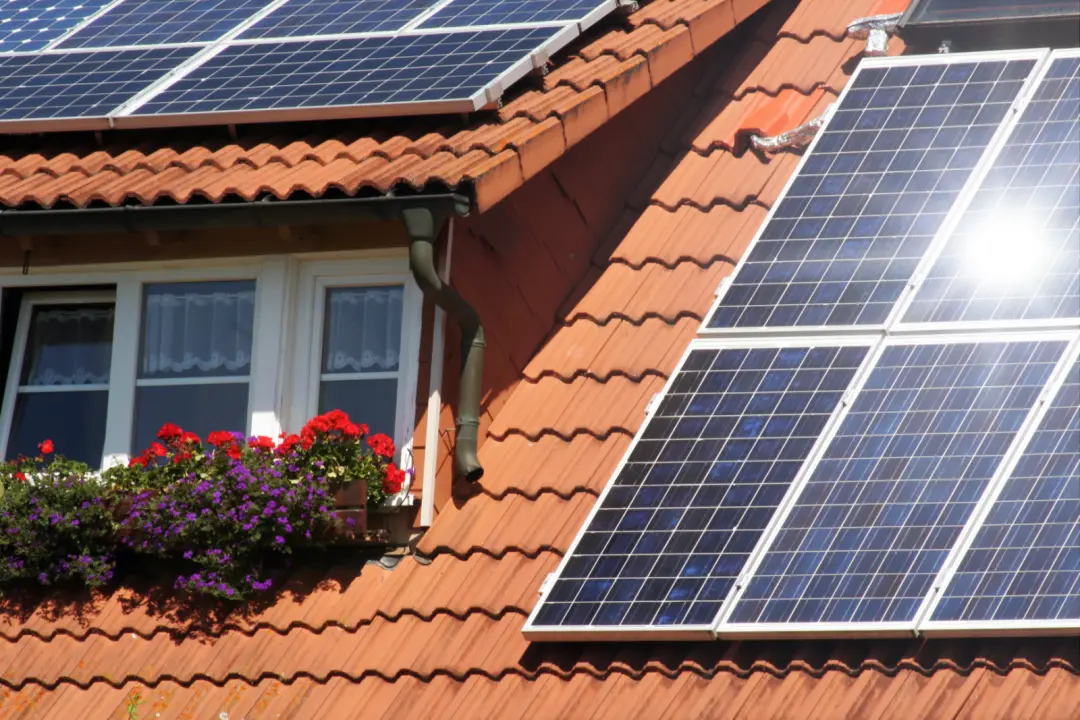
Solar panels are available in different colours and designs. Some have visible silver frames and grid lines, while others have a more even black appearance.
The appearance does not always show how well a panel will perform. However, it may matter if the roof can be seen clearly from the road or if you want the panels to match dark roof tiles.
Ask to see a clear image or sample of the exact product. You should also check how the cables, mounting rails and inverter will be positioned.
Look at Monitoring and Aftercare
A monitoring system allows you to see how much electricity the panels are generating. It may use an inverter display, online account or mobile application.
Good monitoring can help you identify a fault when output falls unexpectedly. Ask whether monitoring is included, whether it requires an internet connection and whether any future charges apply.
You should also understand what happens after installation. Find out who to contact about:
- Unexpected falls in generation
- Inverter warning messages
- Roof leaks or loose fittings
- Warranty claims
- System inspections
- Safe panel cleaning
Questions to Ask Before Choosing Solar Panels
Ask each installer the same questions so that you can compare the answers fairly:
- Why is this system size suitable for my electricity use?
- How much electricity should the system produce each year?
- How have roof direction and shade affected the estimate?
- How much generated electricity am I likely to use myself?
- How much electricity am I likely to export?
- What efficiency and maximum output do the panels provide?
- What output is guaranteed after 25 or 30 years?
- What is included in each warranty?
- Who pays for labour during a warranty claim?
- How long is the inverter expected to last?
- Can battery storage be added later?
- What support is available after installation?
Warning Signs to Look Out For
Take extra care if an installer:
- Promises that your electricity bills will disappear completely
- Guarantees savings without reviewing your electricity use
- Does not complete a roof or shade assessment
- Refuses to name the proposed panel and inverter models
- Will not provide written warranty terms
- Pressures you to sign an agreement immediately
- Offers a discount that is only available on the same day
- Asks for a large payment before completing a survey
- Provides generation figures that seem much higher than other quotations
Frequently Asked Questions
```Which Type of Solar Panel Is Best for a House?
Monocrystalline panels are commonly chosen for homes because they provide strong output from a relatively small roof area. However, the best product depends on your roof, budget, shade levels and required system size.
Should I Choose the Most Efficient Solar Panels?
Not always. High efficiency is useful where roof space is limited, but a less expensive panel may provide better value where there is enough space. Compare total system output and cost rather than efficiency alone.
How Many Solar Panels Do I Need?
The correct number depends on your electricity use, available roof space and the output of each panel. An installer should calculate this after assessing the property and reviewing your electricity needs.
Do Solar Panels Work on Cloudy Days?
Yes. Solar panels can generate electricity from daylight when the sky is cloudy, although their output will usually be lower than it is in direct sunlight.
How Long Should Solar Panels Last?
Good-quality panels should normally last at least 25 years. Many can continue generating electricity for 30 years or longer, although their output will slowly fall over time.
Is a Solar Battery Essential?
No. Solar panels can work without battery storage. A battery may help you use more of the electricity you generate, but its extra cost and expected savings should be considered separately.
Should I Get More Than One Quotation?
Yes. Obtaining at least three detailed quotations makes it easier to compare system designs, expected generation, warranties and prices.
How to Choose the Right Solar Panels
The right solar panels should suit your property, electricity use and long-term plans. Begin by checking the condition, direction, angle and available space on your roof. Make sure shade has been measured and included in every generation estimate.
Compare complete systems rather than looking only at the panel price or efficiency figure. Check expected yearly generation, panel degradation, inverter life, warranties, monitoring and aftercare.
Obtain at least three quotations from installers certified through the Microgeneration Certification Scheme. Ask each installer to explain their calculations and provide the exact product information in writing.
A careful comparison can help you avoid an unsuitable system and choose solar panels that provide reliable electricity for many years.
Do you need a Solar Pv Installer Near Me in Bolton, Wigan, Manchester or Liverpool? Wigan Electrical Solutions provides professional solar panel and electrical installations for homes and businesses across Wigan and the surrounding north-west.