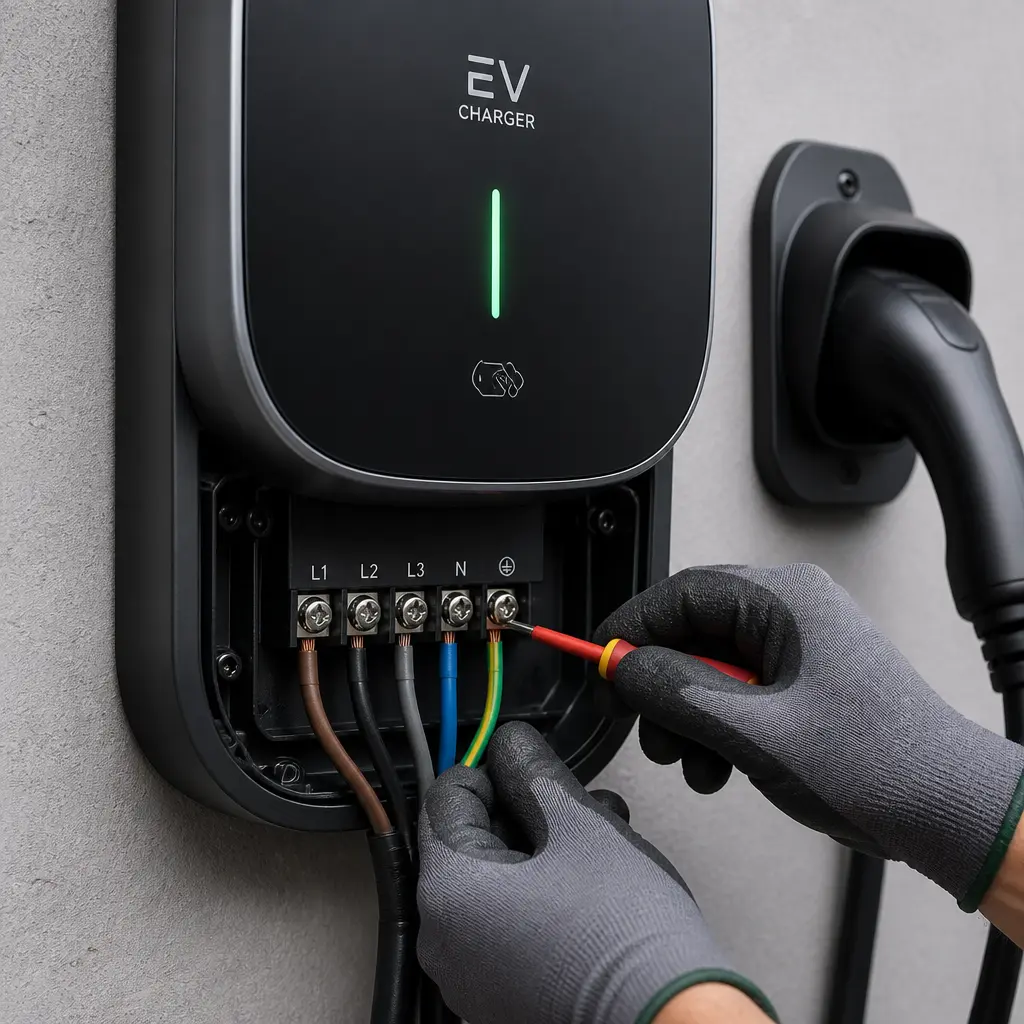
Regular EV charger maintenance helps keep your equipment safe, reliable and ready to use. Most home chargers need little day-to-day attention, but cables, connections, protective parts and software should still be checked.
Simple inspections can help you find damage early, reduce charging problems and extend the useful life of your equipment. This guide explains how to look after a home or workplace EV charger, which tasks you can complete safely and when you should contact a qualified professional.
Why Is EV Charger Maintenance Important?
An EV charger carries electricity for long periods, often while the vehicle owner is asleep or away from the charging area. The equipment must remain securely fitted, protected from damage and connected to a suitable electrical system.
Maintenance can help identify loose fittings, damaged cables, blocked ventilation areas, water entry and software faults before they become more serious.
A well-maintained charger may also be more dependable. Unexpected charging failures can be inconvenient, especially when the vehicle is needed for work or a long journey.
Maintenance does not mean opening the charger or attempting electrical repairs yourself. Most owners should complete simple visual checks and cleaning, while electrical testing and internal work should be left to a competent professional.
How Often Should You Check an EV Charger?
Carry out a brief visual check each time you use the charger. Look at the cable, plug, socket and charger casing before connecting the vehicle.
A more detailed owner inspection can be completed every month. This should include cleaning the outside of the unit, checking that fittings remain secure and confirming that the cable is stored correctly.
The charger manufacturer may also recommend professional inspections or servicing at set intervals. Follow the instructions in the product handbook, as the required checks can differ between models and installation types.
Workplace and shared chargers may need more frequent checks because they are used by more vehicles and drivers. A business should keep a clear inspection record and make sure staff know how to report a fault.
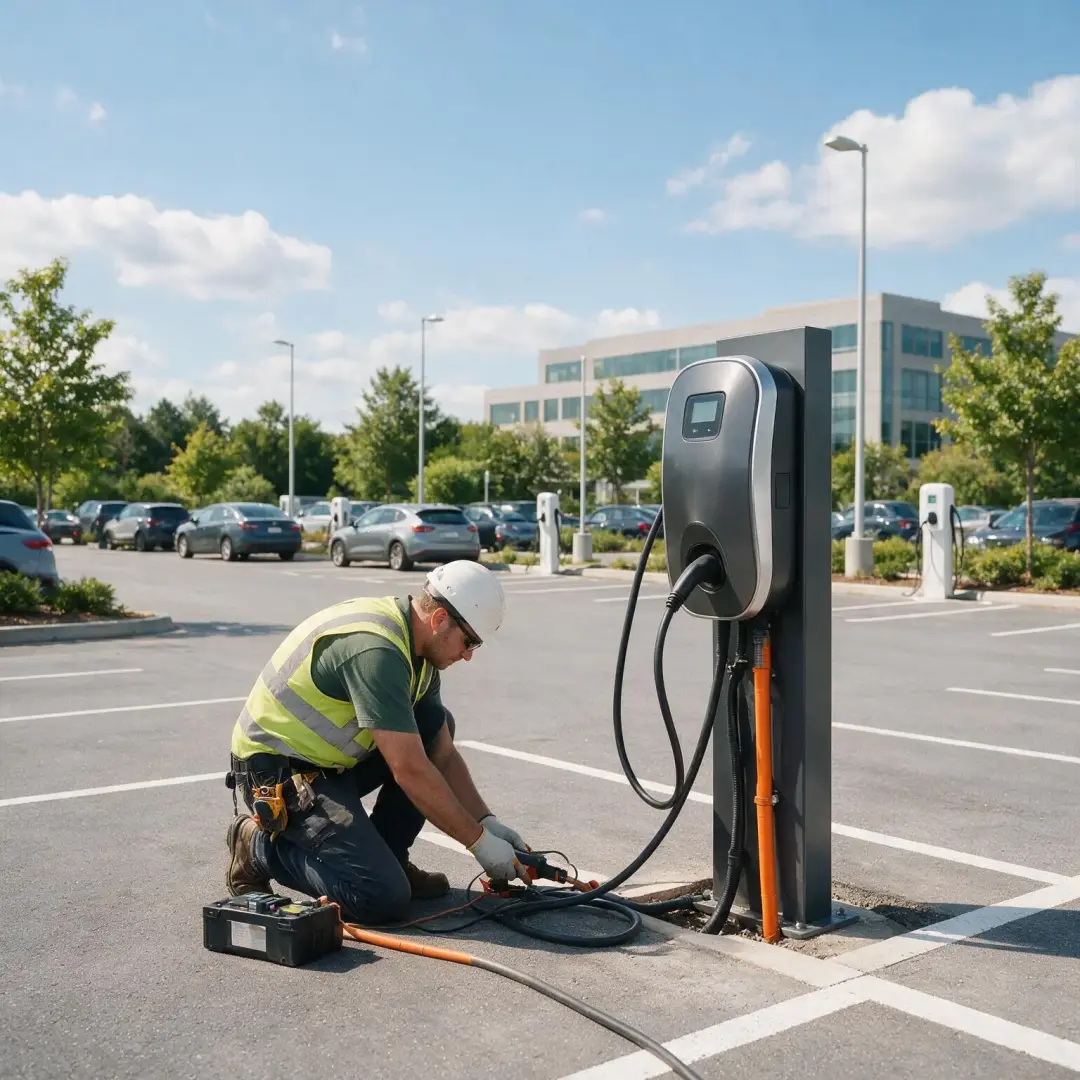
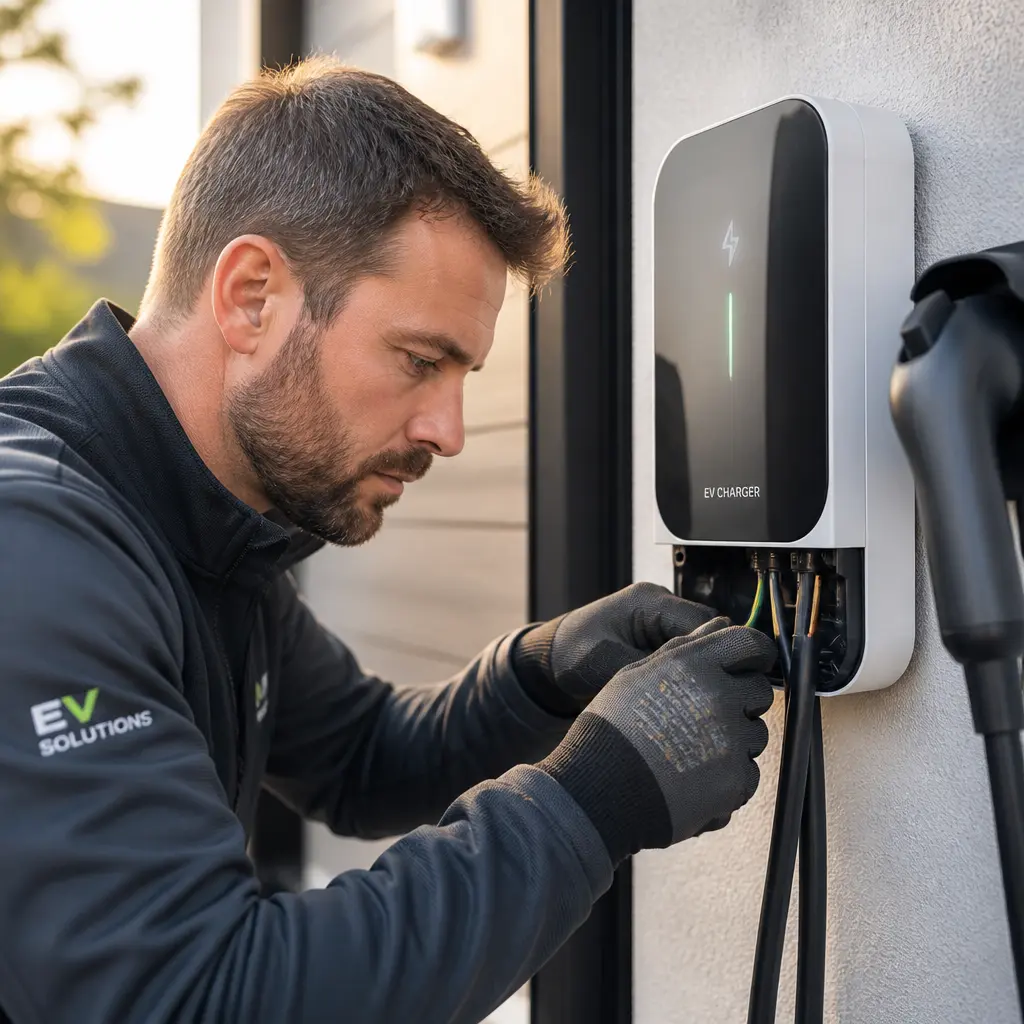
One of our customers, Tom in Stockport, asked us to come back and look after he started having problems with the EV charger we had fitted a few months earlier. We had originally advised him to keep the cable clean and dry, check it for damage and avoid leaving it tightly wrapped or lying on the ground.
But over time the cable had been left outside in wet conditions and had started to show signs of wear.
We checked the charger, cleaned the connections and replaced the damaged cable before testing everything again. Tom's' experience showed him why regular checks and simple care can make a big difference to how reliable an EV charger is.
by JAMIE TUCKER, Wigan Electrical SolutionsEV Charging Infrastructure in the United Kingdom
The number of chargers in use across the United Kingdom continues to grow. Department for Transport figures show that there were 119,080 public EV chargers on 1 April 2026. This included 27,372 chargers rated at 50 kilowatts or more.
A total of 3,028 public chargers were added during the first three months of 2026, following the addition of 13,281 chargers during 2025.
These figures cover public infrastructure and do not include most private home or workplace chargers. The total amount of EV charging equipment in use across the country is therefore higher.
As more chargers are installed, regular inspection and prompt repair will remain important for homes, businesses and public charging operators.
- Complete a brief visual check before each charging session
- Clean the outside of the charger regularly
- Keep charging cables off the ground when they are not in use
- Check for cracks, exposed wires, heat marks and loose parts
- Install charger software updates when they become available
- Arrange professional help when faults or damage appear
Inspect the Charging Cable
The charging cable is handled frequently and may be exposed to rain, dirt, vehicle tyres and accidental pulling. Check the full length of the cable for cuts, deep marks, flattened sections or exposed inner wires.
Pay particular attention to the points where the cable enters the charger and the vehicle plug. Repeated bending can place extra pressure on these areas.
Do not use a cable that has exposed wiring, melted sections or serious cracks. Switch off the charger when it is safe to do so and arrange an inspection.
A damaged cable should be repaired or replaced with a part approved for the charger. Do not cover damage with household tape or attempt to join a charging cable yourself.
Store the Cable Correctly
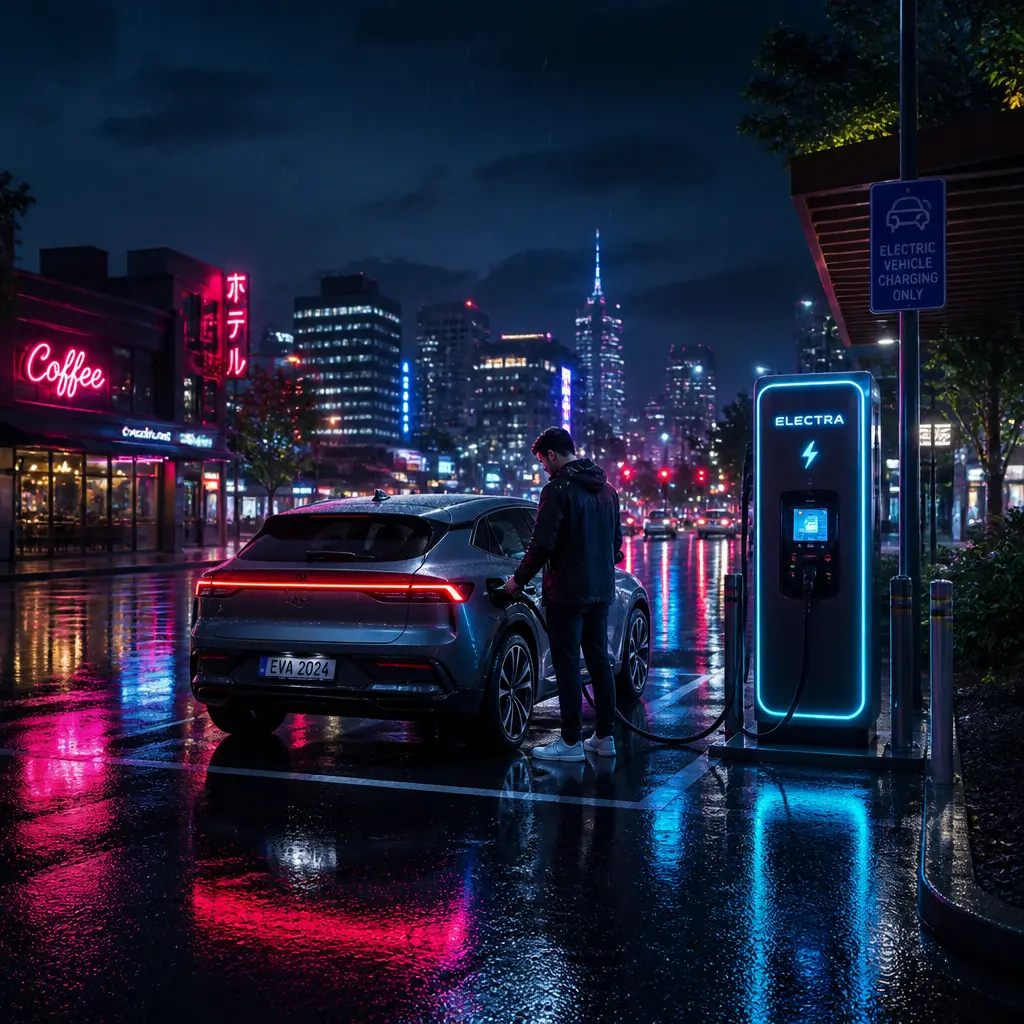
Return a tethered cable to its holder after use. Leaving it on the ground can expose it to water, mud, sharp objects and vehicle damage.
A cable should be arranged in loose loops without tight bends. Do not wrap it tightly around the charger unless the manufacturer has designed the unit for this purpose.
Keep the vehicle connection in its holder or protective cover. This can prevent dirt and water from collecting around the electrical contacts.
Check the Plug and Socket
Inspect the vehicle plug and charger socket for dirt, water, bent contacts, cracks or dark heat marks. The plug should connect smoothly and remain securely in place during charging.
Never push a plug into a socket when it does not fit correctly. Check that you are using the right connection and that nothing is blocking the socket.
Do not insert tools, cloths, fingers or cleaning products into an electrical connection. Internal contacts should only be cleaned or repaired by someone with the correct training.
If the plug becomes unusually hot, makes a buzzing sound or gives off a burning smell, stop charging when it is safe to do so. Keep the equipment switched off until it has been checked.
How Should You Clean an EV Charger?
Switch off the charger before cleaning when the manufacturer’s instructions allow this. Disconnect the vehicle and make sure your hands are dry.
Wipe the casing with a soft, slightly damp cloth. A small amount of mild cleaning product may be suitable, but check the charger handbook first.
Do not use a pressure washer, hosepipe, steam cleaner or large amount of water. Water forced into joints or ventilation areas could damage the equipment.
Avoid rough sponges, strong chemicals and products that contain solvents. These may damage the casing, screen, labels or protective seals.
Allow the unit to dry before using it again. Do not open the casing to clean the inside.
Check the Charger Casing
Look for cracks, dents, loose covers or gaps around the casing. Damage may allow water or dirt to reach parts that should remain protected.
Check that the charger remains firmly attached to the wall or mounting post. It should not move when the cable is handled normally.
Outdoor chargers should remain properly sealed against the weather. Look for water marks, condensation behind the display or signs of rust around fittings.
Do not remove the front cover or tighten internal parts. Opening the unit could expose live electrical equipment and may affect the product warranty.
Contact the installer or manufacturer when the casing is badly damaged, loose or no longer weatherproof.
Keep the Charging Area Clear
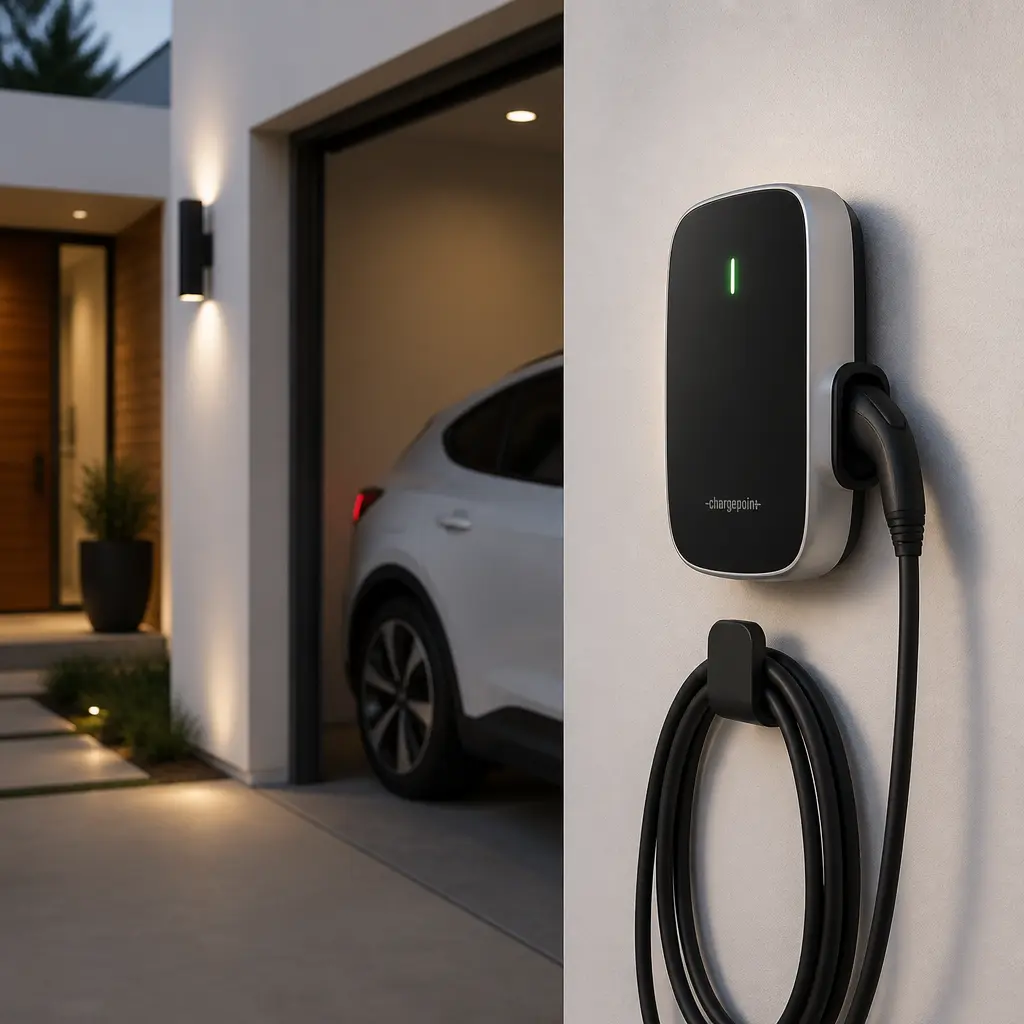
Keep bins, garden equipment, boxes and other items away from the charger. The cable should have a clear route between the unit and the vehicle.
Remove leaves, mud and other loose material from the area. Plants should not be allowed to grow over the charger, cable or electrical fittings.
Do not cover the charger. Some units need space around the casing to control their temperature.
Where a charger is installed near a driveway, consider whether it is protected from vehicle impact. A mounting post or barrier may be needed in areas where cars could strike the equipment.
Businesses should make sure charging bays remain clearly marked and accessible. Drivers should not need to stretch cables across walking routes or busy vehicle areas.
Protect Your Charger from Bad Weather
Outdoor EV chargers are designed to cope with normal weather when they have been installed correctly. However, owners should still check the equipment after storms, flooding, freezing conditions or accidental impact.
Clear snow and ice from around the unit carefully. Do not pour boiling water over a frozen plug, cable or socket.
After heavy rain, check for water collecting around the base of a charging post or nearby electrical fittings. Do not stand in floodwater to reach the charger.
If the charger has been partly covered by floodwater, do not use it. Keep away from the equipment and contact a qualified professional.
Strong sunlight can also heat charging equipment. Do not add your own cover unless it has been approved by the manufacturer, as a cover could trap heat or affect ventilation.
Keep Charger Software Updated
Many home and workplace chargers use software to control charging times, record energy use and connect to a mobile application or online account.
Manufacturers may release updates to improve reliability, security or compatibility. Install approved updates when prompted by the charger application or manufacturer.
Use a strong, unique password for the charging account. Do not share account details unless another trusted user needs access.
Check that the charger remains connected to the correct home or workplace network. A connection problem may prevent schedules, usage reports or remote controls from working.
If an update fails, follow the manufacturer’s instructions. Do not repeatedly disconnect the electrical supply unless the guidance tells you to do so.
Test Smart Charging Schedules
Smart charging can move a charging session to a chosen time, such as a period when electricity costs less. Check the schedule after changes to electricity prices, clocks, vehicles or charger software.
Confirm that the vehicle and charger are not using different schedules. Two separate timers can prevent charging from starting when expected.
Review the time and date settings after the clocks change. Make sure the charger starts and stops at the correct time.
Complete an occasional test session before an important journey. This can confirm that the charger, vehicle and schedule are working together correctly.
Watch for Changes in Charging Performance
A charging session may take longer because of cold weather, battery temperature, vehicle settings or the battery charge level. A small change does not always mean the charger is faulty.
However, repeated interruptions or a major reduction in charging speed should be investigated. Check the charger display and vehicle information for warning messages.
Keep a note of when the problem occurs. Record the time, weather, vehicle charge level and any fault code shown. This information can help the installer or manufacturer find the cause.
Where possible, check whether the vehicle charges normally at another suitable charger. This may help identify whether the problem is linked to the vehicle or the home charging equipment.
Signs That an EV Charger Needs Attention
Stop using the charger and seek advice if you notice serious physical damage, exposed wiring or signs of overheating.
Other warning signs include repeated charging failures, unusual noises, a burning smell, frequent loss of power or warning lights that do not clear.
The charger should also be checked if it has been struck by a vehicle, affected by flooding or pulled away from its mounting.
Do not ignore a fault simply because the charger begins working again. An electrical problem may return or become worse over time.
Arrange professional help if you notice any of the following:
- Exposed, cut or melted wiring
- Burn marks around the plug, socket or charger
- A burning smell, smoke or unusual heat
- A loose charger, socket or mounting post
- Cracks that may allow water into the casing
- Repeated fault messages or interrupted sessions
- Unusual buzzing, clicking or crackling sounds
- Electrical protection that repeatedly switches off
- Damage caused by impact, flooding or severe weather
What Should You Do If the Charger Stops Working?
Start by checking the charger screen or status lights. The product handbook may explain the meaning of the colour, symbol or fault code shown.
Check whether the vehicle has displayed its own warning message. Make sure the plug is fully connected and that no charging schedule is preventing the session from starting.
You may also check the charger application for service messages or connection problems. Follow only the reset steps provided by the manufacturer.
Do not remove covers, replace electrical parts or change protective equipment yourself. Contact the installer, manufacturer or an approved repair service when basic checks do not solve the problem.
Can You Reset an EV Charger?
Some faults can be cleared by restarting the charger, but the correct process differs between products. Check the manufacturer’s instructions before switching anything off.
A reset may involve using the charger application, pressing an approved control or briefly switching off the correct electrical circuit.
Never reset a charger that is hot, wet, physically damaged or giving off a burning smell. These signs require professional attention.
If the same fault returns after a reset, stop using the equipment and arrange an inspection. Repeatedly resetting a charger may hide a problem without fixing its cause.
Should an EV Charger Receive a Professional Inspection?
The manufacturer or installer may recommend inspections based on the product, location and level of use. Follow the servicing information supplied with the charger.
A professional inspection may include checking the charger condition, electrical connections, protective equipment, mounting, cable and recorded fault information.
Testing may also be needed after building work, electrical changes, damage, flooding or repeated faults.
Public, workplace and shared residential chargers may need a planned maintenance programme. The person responsible for the site should keep records of inspections, faults, repairs and equipment updates.
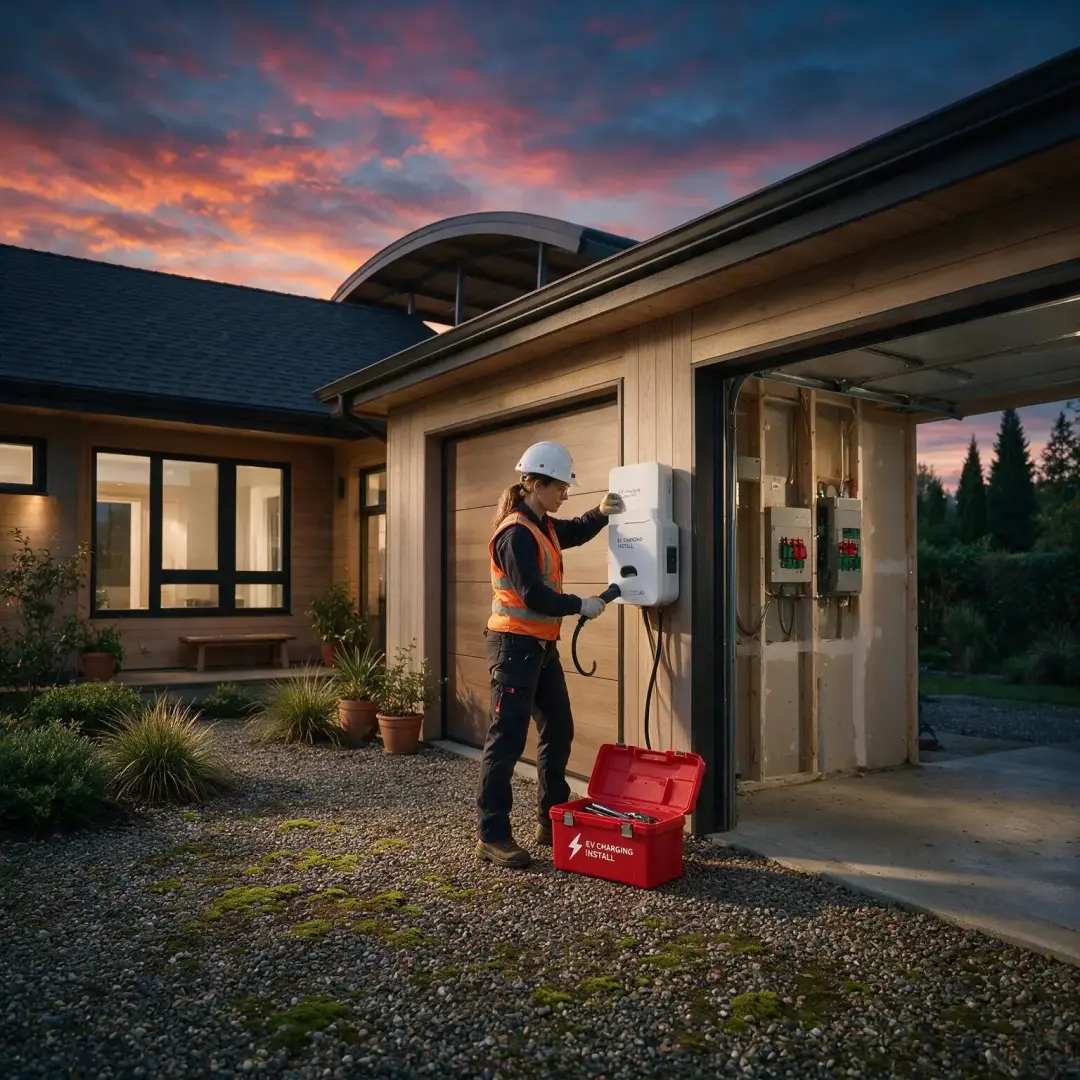
Professional work should be completed by someone who is competent to inspect and repair EV charging installations.
Check the Charger Warranty
Keep the charger invoice, installation certificate, model details and warranty documents in a safe place. You may need this information when reporting a fault.
Some chargers supplied under government technical requirements have included an on-site three-year warranty covering parts and installation. Your own cover will depend on the product, installer and purchase date.
Check whether the warranty requires servicing, approved replacement parts or repairs by an authorised provider.
Opening the casing or using unapproved parts may affect the warranty. Contact the manufacturer or installer before arranging changes to the equipment.
Maintaining a Workplace EV Charger
Workplace chargers may be used more frequently than home equipment. Businesses should assign responsibility for inspecting the units and responding to driver reports.
Complete regular checks of cables, plugs, screens, payment controls, access cards and parking bays. Remove damaged equipment from use until it has been inspected.
Keep a written or digital maintenance record. Include the inspection date, charger number, fault details, action taken and name of the person completing the check.
Review charging data for repeated failures or unusual changes in electricity use. These records may reveal a problem that is not clear during a visual inspection.
Emergency contact and fault reporting details should be easy for drivers to find.
How to Look After an Untethered Charger
An untethered charger has a socket rather than a fixed cable. Check the socket cover regularly and make sure it closes properly when the charger is not being used.
Store the separate cable in a clean, dry place. Avoid leaving it loose in the vehicle boot where heavy or sharp items could damage it.
Inspect both ends of the cable before connecting it. Dirt or damage at either end could affect the charging session.
Use a cable that is suitable for the vehicle, charger and charging rate. Replace it when the manufacturer advises or when damage is found.
How to Look After a Tethered Charger
A tethered charger has a permanently attached cable. Use the built-in holder or cable storage system after every session.
Do not allow the cable to hang from the vehicle connection or rest where it may be driven over. Check the full cable regularly because it cannot simply be removed and stored indoors.
Make sure the plug holder remains clean and secure. Report damage to the fixed cable promptly, as it may need to be replaced by an approved professional.
EV Charger Maintenance Checklist
A simple routine can help you maintain your charging equipment:
- Before each use: Check the plug, cable and casing for obvious damage
- After each use: Return the cable and plug to their holders
- Every month: Clean the casing and inspect fittings, seals and cable storage
- After severe weather: Check for water, impact damage and loose parts
- When prompted: Install approved software and security updates
- When a fault appears: Record the message and follow the manufacturer’s guidance
- At recommended intervals: Arrange professional inspection or servicing
Frequently Asked Questions
```Do Home EV Chargers Need Regular Servicing?
Maintenance requirements differ between charger models. Follow the manufacturer’s guidance and arrange a professional inspection when recommended or when a fault, damage or change in performance is found.
Can I Clean an EV Charger with Water?
You can normally wipe the outside with a soft, slightly damp cloth, but you should check the product instructions first. Do not use a hosepipe, pressure washer or large amount of water.
Can I Repair a Damaged Charging Cable?
No. Do not cover exposed wires or damaged insulation with tape. Stop using the cable and arrange an approved repair or replacement.
Why Does My EV Charger Keep Disconnecting?
Possible causes include a loose connection, charging schedule, software problem, vehicle fault, damaged cable or electrical supply issue. Record any fault code and contact the installer if the problem continues.
Can an EV Charger Be Left Outside?
An outdoor charger can remain outside when it is designed for outdoor use and has been installed correctly. Check it after severe weather and report damage to seals, casing or mounting parts.
What Should I Do If My Charger Gets Wet?
Normal rain should not affect suitable outdoor equipment. However, do not use a charger that has been flooded, has water inside the casing or shows signs of damage. Arrange a professional inspection.
Should a Charging Cable Touch the Ground?
A cable may touch the ground briefly during use, but it should not be left there. Store it on the charger holder to reduce the risk of water, dirt, trips and vehicle damage.
How Do You Maintain an EV Charger?
Maintain an EV charger by inspecting the equipment regularly, keeping it clean, storing the cable correctly and installing approved software updates.
Check for cracks, exposed wiring, loose fittings, unusual heat and signs of water entry. Stop using equipment that appears unsafe or repeatedly fails during charging.
Owners can complete basic visual checks and external cleaning, but they should not open the casing or attempt electrical repairs.
Follow the charger manufacturer’s maintenance schedule and arrange professional help when faults, damage or changes in performance occur. Prompt attention can help keep the charger safe, dependable and ready for daily use.
Does your EV charger need an inspection, repair or replacement in Wigan, Manchester, Liverpool or Bolton? Wigan Electrical Solutions can assess your charging equipment and electrical installation before recommending suitable work. Contact the EV charger fitting team to arrange professional support.