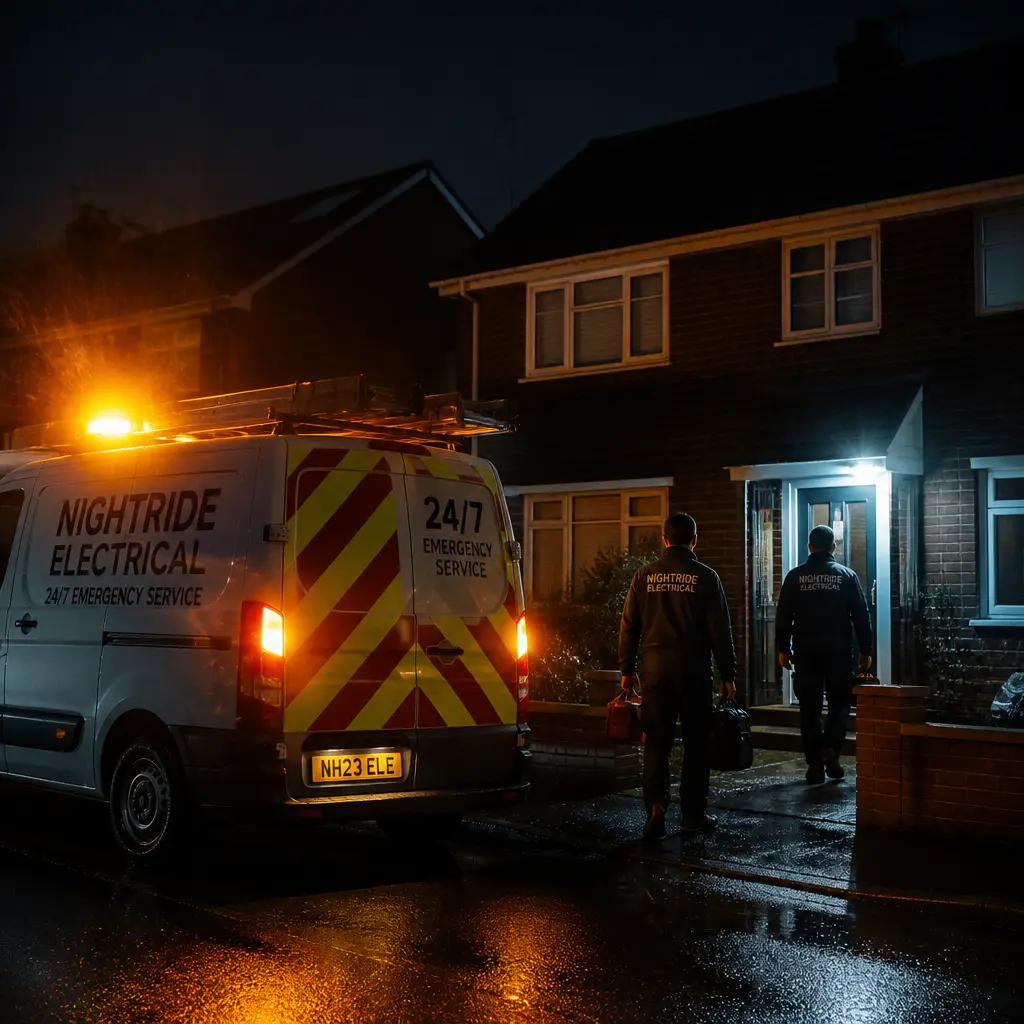
Electrical faults can develop suddenly or become more serious over time. Burning smells, sparks, repeated power loss and unusually hot sockets may indicate a problem that needs urgent professional attention.
Recognising the warning signs can help you protect people and property. However, you should never touch exposed wiring, open electrical fittings or attempt repairs unless you have the correct training and qualifications.
What Is an Electrical Emergency?
An electrical emergency is a fault or incident that creates an immediate risk of electric shock, burns, fire or serious property damage.
Some emergencies are clear, such as flames coming from an appliance or exposed live wires. Others may begin with less obvious signs, including a faint burning smell, regular tripping, buzzing sounds or lights that repeatedly flicker.
Urgent professional help may be needed when the fault cannot be safely isolated, affects fixed wiring or continues after appliances have been disconnected.
How Common Are Fires in Homes?
Fire and rescue services attended 26,180 dwelling fires in England during the year ending March 2026. This was 2.8% higher than the previous year, although it was 17% lower than ten years earlier.
Of these incidents, 23,795 were accidental dwelling fires. There were also 184 fire-related deaths in dwellings and 4,898 non-fatal casualties in dwellings during the same period.
- 170,597 fires were attended across England
- 26,180 of these incidents were dwelling fires
- 23,795 dwelling fires were accidental
- 184 fire-related deaths occurred in dwellings
- 4,898 non-fatal casualties occurred in dwellings
These figures cover all causes of dwelling fires rather than electrical faults alone. However, they show why smoke, heat, damaged electrical equipment and other fire warning signs should never be ignored.
You Can Smell Burning Plastic
A smell of burning plastic, rubber or insulation is one of the clearest signs that you may need an emergency electrician.
The smell may come from an overheating plug, loose connection, damaged cable, overloaded circuit or faulty appliance. It may also come from wiring hidden behind a wall, ceiling or electrical fitting.
Stop using the affected equipment and switch off the circuit when it is safe to do so. Do not continue using a socket or appliance simply because the smell disappears.
Leave the property and contact the emergency services if you see flames or heavy smoke.
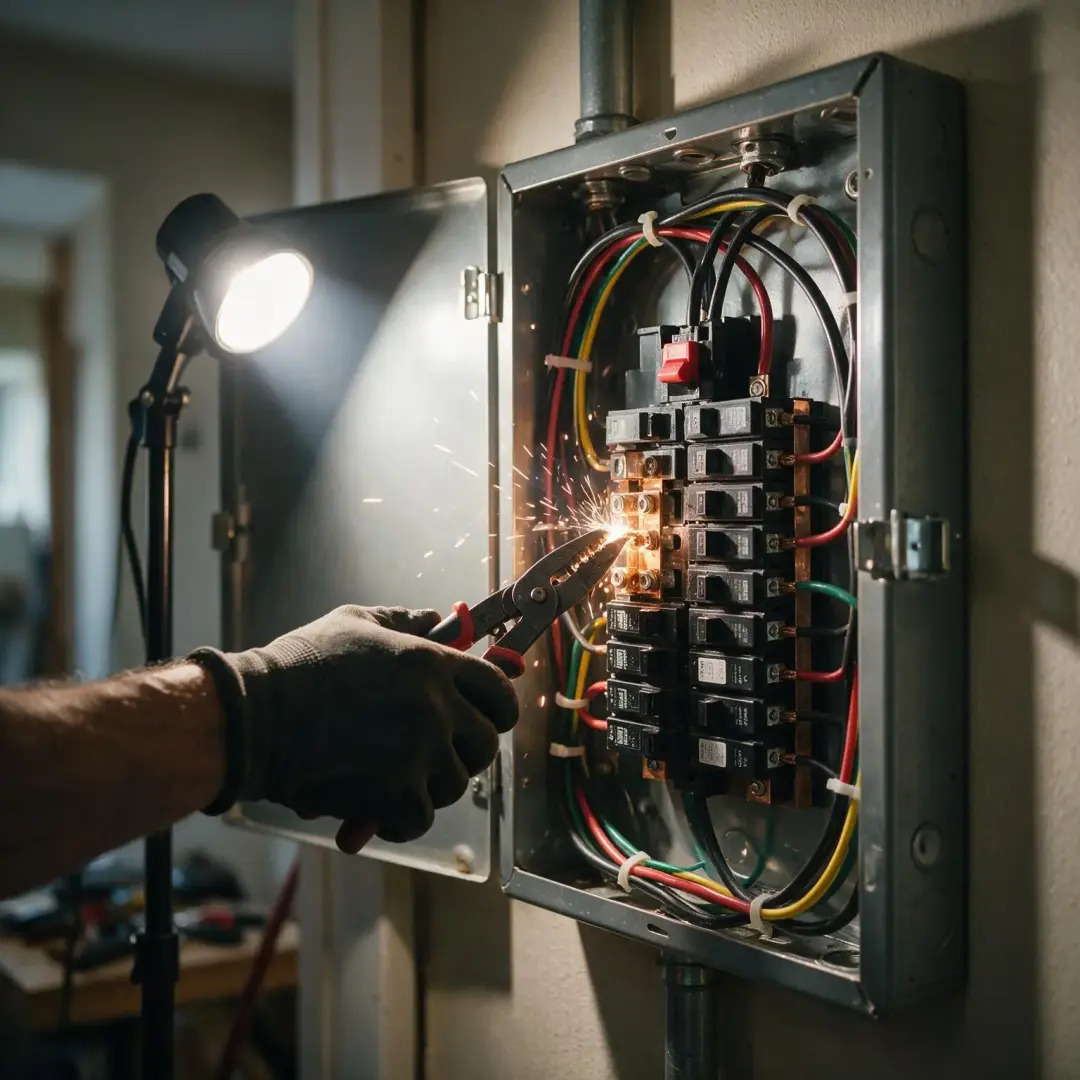
Sockets or Switches Are Sparking
A very small and brief spark can sometimes appear when a plug is inserted or removed while an appliance is switched on. Large, repeated or noisy sparks are not normal.
Repeated Sparks
Sparks that appear whenever you use a socket may be caused by damaged contacts, loose wiring or electrical arcing. Stop using the socket and arrange an urgent inspection.
Marks Around the Socket
Brown marks, black marks or melted plastic may show that the fitting has overheated. Do not clean the marks and continue using the socket.
Sparks from the Consumer Unit
Sparks, smoke or flashes from the consumer unit require immediate attention. Keep away from it, warn other people and contact an emergency electrician from a safe place.
Plugs, Sockets or Electrical Fittings Feel Hot
A plug may feel slightly warm after powering some equipment. However, it should not become too hot to touch, smell burnt or cause the surrounding socket to change colour.
Unusual heat can be caused by an overloaded outlet, loose electrical connection, damaged plug or unsuitable extension lead. Heat can damage insulation and increase the risk of fire.
Stop using the fitting and disconnect equipment only when there are no flames, sparks, exposed wires or melted parts. Switch off the affected circuit if you can do so safely.
An emergency electrician should inspect any fitting that remains hot, shows signs of burning or produces smoke.
You Hear Buzzing or Crackling
Electrical sockets, switches and consumer units should not produce regular buzzing, popping or crackling sounds.
These noises may be caused by a loose connection or electrical arcing. Arcing happens when electricity moves across a gap between electrical contacts. It can produce intense heat and may damage nearby materials.
Do not remove the fitting or place your hand against it to locate the sound. Stop using nearby equipment and switch off the affected circuit when it is safe.
Arrange urgent professional help when the noise continues, becomes louder or is linked to heat, smoke, sparks or a burning smell.
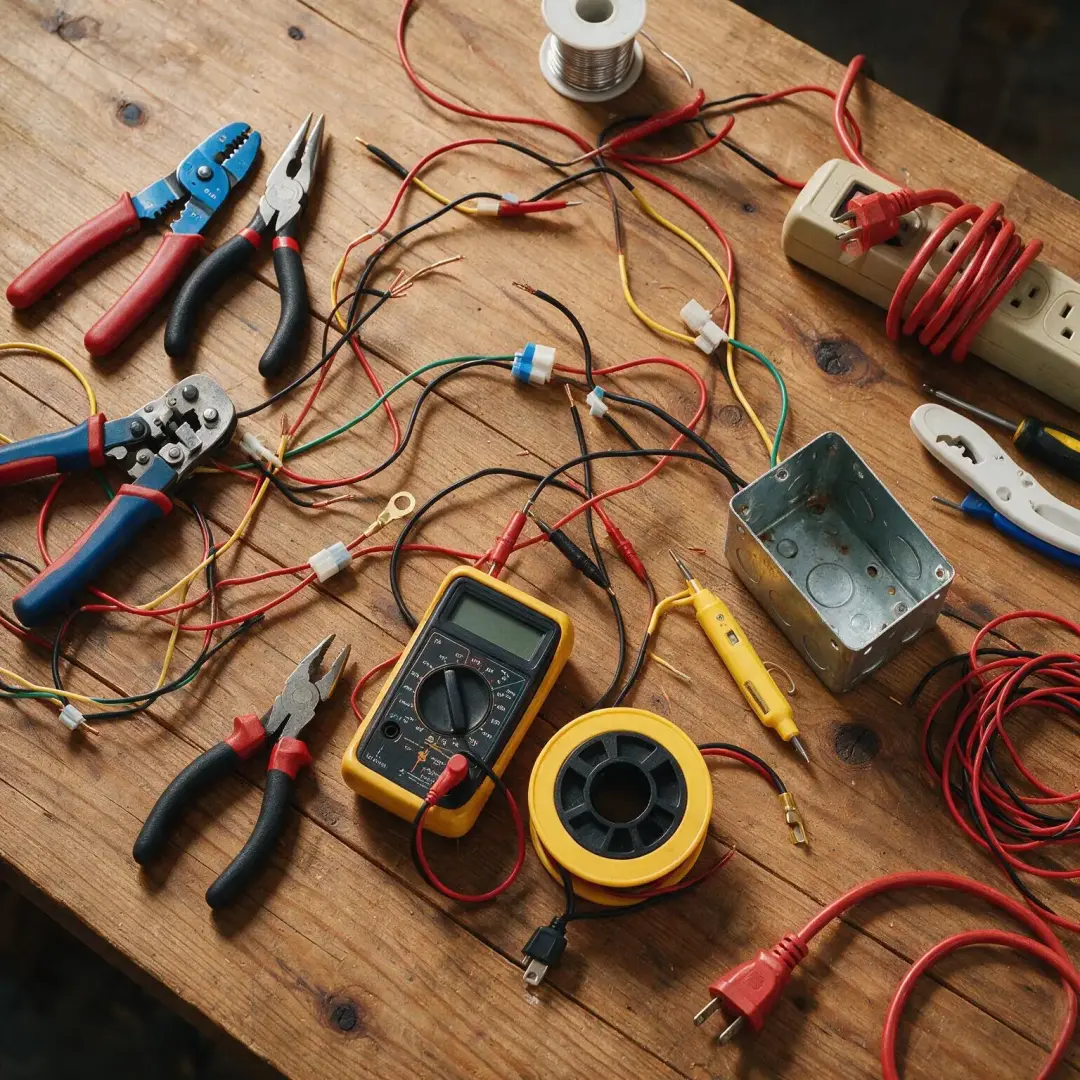
The Consumer Unit Keeps Tripping
The protective switches in a consumer unit are designed to disconnect the electricity when certain faults are detected. A tripped switch may therefore be preventing electric shock, overheating or fire.
You may reset the switch once when there is no smoke, burning smell, unusual heat, water or visible damage. Unplug recently used appliances before attempting the reset.
Do not keep resetting a switch that trips again. Repeated tripping may be caused by a faulty appliance, damaged cable, overloaded circuit, water entry or a problem with the fixed wiring.
Leave the affected circuit switched off and contact an electrician. Seek emergency assistance when the consumer unit is hot, damaged, smoking or making unusual noises.
You Have Lost Power in Part of the Property
A general power cut may affect several nearby homes. However, a loss of electricity in one room or part of a property may indicate a fault within the electrical installation.
Check whether a protective switch has tripped, but do not repeatedly reset it. Look for smoke, heat, damaged fittings or signs of water without touching electrical equipment.
Contact the electricity network operator if neighbouring properties are also without power. Contact an emergency electrician when the problem only affects your property, keeps returning or is linked to a burning smell, buzzing noise or damaged consumer unit.
Lights Are Flickering Throughout the Property
A loose bulb can cause a single light to flicker. Widespread or repeated flickering may point to a more serious electrical problem.
Possible causes include loose fixed wiring, an overloaded circuit, a damaged fitting or a problem with the incoming electricity supply.
Switch off any light that flickers while producing heat, noise or a burning smell. Allow the bulb to cool before checking whether it is fitted correctly.
Arrange an urgent inspection if several lights flicker at the same time, lights become brighter and dimmer without warning or the problem appears when powerful appliances are used.
Contact the electricity network operator when nearby homes are experiencing the same problem.
Water Has Reached Electrical Equipment
Leaks, flooding and overflowing baths can allow water to reach sockets, cables, lights, appliances or the consumer unit.
Do not enter standing water when electrical equipment or wiring may still be live. Keep children, pets and other people away from the area.
Switch off the electricity at the main switch only when you can reach it safely and the consumer unit is completely dry. Never touch electrical controls while standing in water or on a wet surface.
Contact an emergency electrician after a leak or flood has affected the electrical system. Do not restore the power until the installation has been inspected and confirmed safe.
You Can See Exposed or Damaged Wiring
Frayed insulation, exposed metal wires, crushed cables and damaged electrical fittings can leave live parts accessible.
Do not touch the damaged area or cover it with ordinary tape. Tape is not a safe permanent repair and may hide further damage.
Keep other people away and switch off the relevant circuit if it is safe to do so. Damaged charging cables and extension leads should normally be replaced rather than repaired.
Contact an emergency electrician when fixed wiring is exposed, a cable has been cut during building work or the damage is close to water, metalwork or combustible materials.
A Socket or Switch Has Become Loose
A socket or switch that moves away from the wall may expose wiring or place strain on electrical connections.
Do not push the fitting back into place, tighten it while the power is on or continue using it. Stop using the fitting and isolate the circuit when it is safe.
Urgent attention is particularly important when the fitting is cracked, hanging from the wall, producing sparks or showing signs of heat.
A qualified electrician can safely isolate the supply, inspect the wiring and replace damaged parts. The surrounding wall may also need checking if the fitting has been pulled away by impact or building movement.
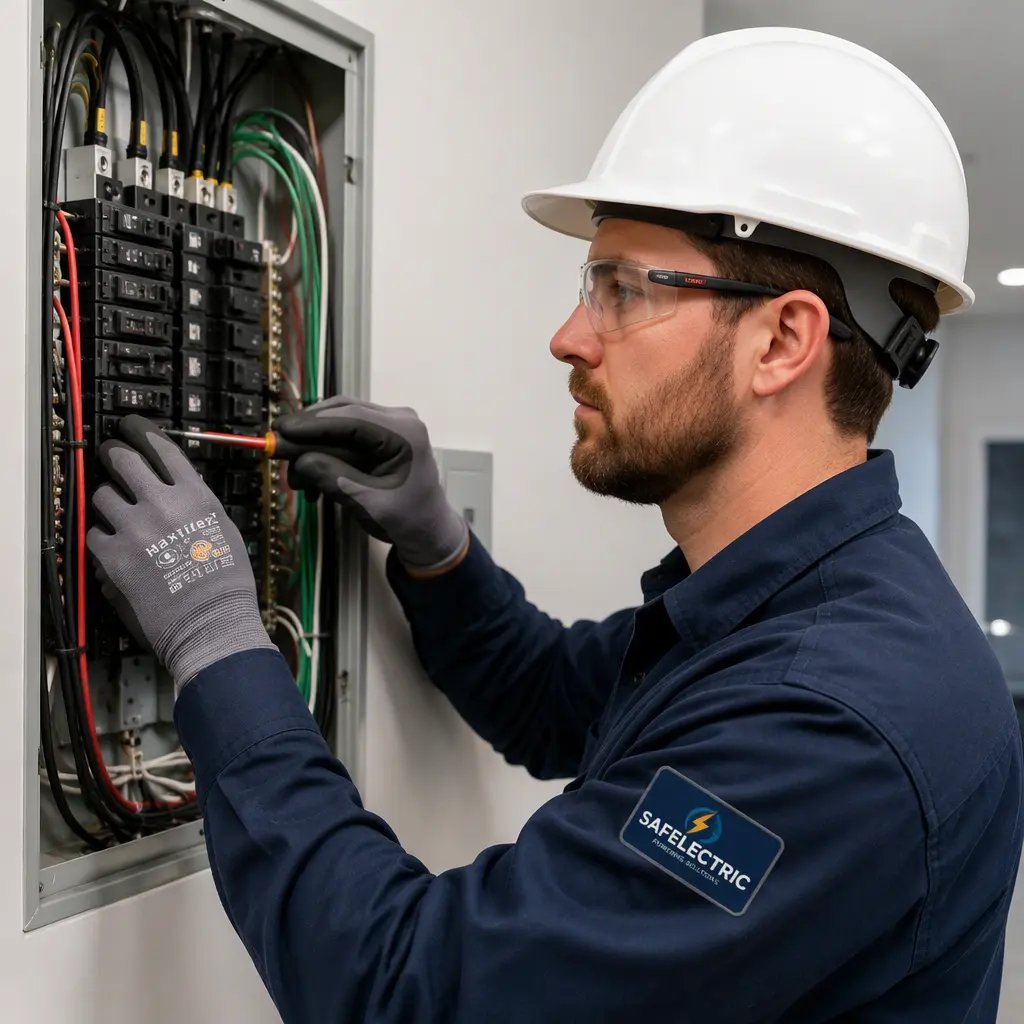
An Appliance Is Smoking or Producing Sparks
Stop using any appliance that produces smoke, sparks, unusual heat, a burning smell or unexpected noises.
Do not approach or unplug the appliance when there are flames, heavy smoke, melted parts or exposed wires. Warn everyone, leave the property and contact the emergency services.
When there is no immediate fire risk, switch off the socket and disconnect the appliance only if it is safe. Do not test it again to see whether the problem has stopped.
An appliance that causes repeated tripping may have an internal fault. The appliance and the affected circuit may need to be checked before either is used again.
You Have Received an Electric Shock
Even a shock that appears minor may require medical advice because some injuries are not immediately visible.
Do not touch anyone who may still be in contact with electricity. Switch off the supply only when you can do so safely and contact the emergency services if the person is unconscious, has breathing problems, has burns or has received a strong shock.
The electrical equipment or installation should not be used again until it has been inspected. An electrician can identify whether the shock was caused by damaged equipment, faulty wiring or missing safety protection.
Electrical Problems Began After Building Work
Drilling, cutting, demolition and renovation work can damage cables hidden inside walls, floors and ceilings.
Warning signs may include a sudden loss of power, a tripped switch, flickering lights, a burning smell or a crackling sound from the area where work took place.
Stop work immediately and keep people away from the affected area. Do not touch a drill, screw, nail or metal fitting that may have entered a cable.
An emergency electrician can isolate the damaged circuit, test the wiring and determine whether repairs are required before work continues.
Your Electrical System Has Been Damaged by a Storm
Storms can damage overhead cables, outdoor lighting, outbuildings and electrical equipment. Water may also enter external sockets or damaged parts of a property.
Stay away from fallen or low-hanging power cables and treat them as live. Do not touch nearby fences, vehicles, branches or metal objects.
Contact the emergency services and the electricity network operator from a safe location when external power cables have fallen.
Contact an emergency electrician when storm damage has affected wiring or electrical fittings within your property. Do not restore the supply until it has been checked.
What Should You Do While Waiting for an Electrician?
Move everyone away from the affected area and keep children and pets under supervision.
Switch off the affected circuit or the main electricity supply only when you can reach the controls safely. Do not approach the consumer unit if it is wet, smoking, sparking or unusually hot.
Do not remove socket covers, touch exposed wiring or carry out temporary repairs. Avoid using candles during a power loss because they create an additional fire risk. Use a battery-powered light where possible.
Tell the electrician what happened, when the problem began and whether you noticed heat, smells, sounds, sparks, water or repeated tripping. This information can help the electrician locate the fault safely.
When Should You Contact the Emergency Services?
An emergency electrician can deal with urgent faults, but some incidents require the emergency services first.
Leave the property and contact the emergency services when there are flames, heavy smoke, a serious electric shock or an immediate danger to life.
You should also seek emergency help when fallen electrical cables are creating a danger in a public place or water is close to live equipment that cannot be safely isolated.
Never use water on an electrical fire. Water can conduct electricity and create a risk of serious or fatal electric shock.
Do not return to the affected area until the emergency services confirm that it is safe.
How Can You Reduce the Risk of an Electrical Emergency?
Check plugs, sockets, cables and appliances regularly for damage, heat or unusual marks. Stop using damaged items rather than waiting for them to fail.
Avoid overloading sockets and do not connect one extension lead to another. Powerful appliances such as heaters, kettles, washing machines and tumble dryers should be connected to suitable outlets.
Keep electrical equipment away from water and charge battery-powered products on a hard, clear surface. Use a charger designed for the product.
Arrange an inspection when you notice repeated tripping, burning smells, buzzing sounds, flickering lights or other changes in the electrical system.
How Often Should Electrical Installations Be Checked?
Homeowners are generally advised to arrange an electrical installation inspection at least every ten years. An earlier inspection may be needed when a property is older, has been altered, has suffered flooding or shows signs of damage.
Landlords in England must have electrical installations in rented properties inspected and tested by a qualified person at least every five years. These requirements now cover both private and social rented homes.
Regular inspections can identify damaged wiring, poor connections and missing safety protection before they cause power loss, electric shock or fire.
Frequently Asked Questions
```Is a Burning Smell Always an Emergency?
A burning smell near electrical equipment should always be investigated. Switch off the affected circuit when it is safe and arrange urgent help, especially when the smell is linked to heat, smoke or unusual sounds.
Can I Keep Resetting a Tripped Switch?
No. You may reset it once when there is no smoke, heat, water, burning smell or visible damage. Leave it switched off and contact an electrician if it trips again.
Is a Buzzing Socket Dangerous?
Yes. Buzzing or crackling may indicate a loose connection or electrical arcing. Stop using the socket and arrange an urgent inspection.
Should I Call an Electrician for Flickering Lights?
Contact an electrician if several lights flicker, the problem keeps returning or it happens alongside buzzing, heat, power loss or a burning smell.
Can I Repair a Damaged Cable with Tape?
No. Ordinary tape does not provide a safe permanent repair. Replace damaged portable cables and have damaged fixed wiring repaired by a qualified electrician.
What Are the Main Signs You Need an Emergency Electrician?
You may need an emergency electrician when you notice burning smells, smoke, repeated sparks, hot sockets, buzzing sounds, exposed wiring, repeated tripping or unexplained power loss.
Urgent help may also be needed when water has reached electrical equipment, building work has damaged a cable or several lights are flickering without a clear cause.
Move people away from the danger and switch off the electricity only when it is safe. Do not touch exposed wires, open electrical fittings or repeatedly restore the power.
Contact the emergency services rather than an electrician when there is a fire, heavy smoke, serious electric shock or immediate danger to life.
Have you noticed signs of a serious electrical fault in Wigan, Manchester, Liverpool or Bolton? Wigan Electrical Solutions provides professional electrical inspections, fault finding and repairs for domestic and commercial properties. Contact the team to arrange urgent assistance from a qualified electrician.