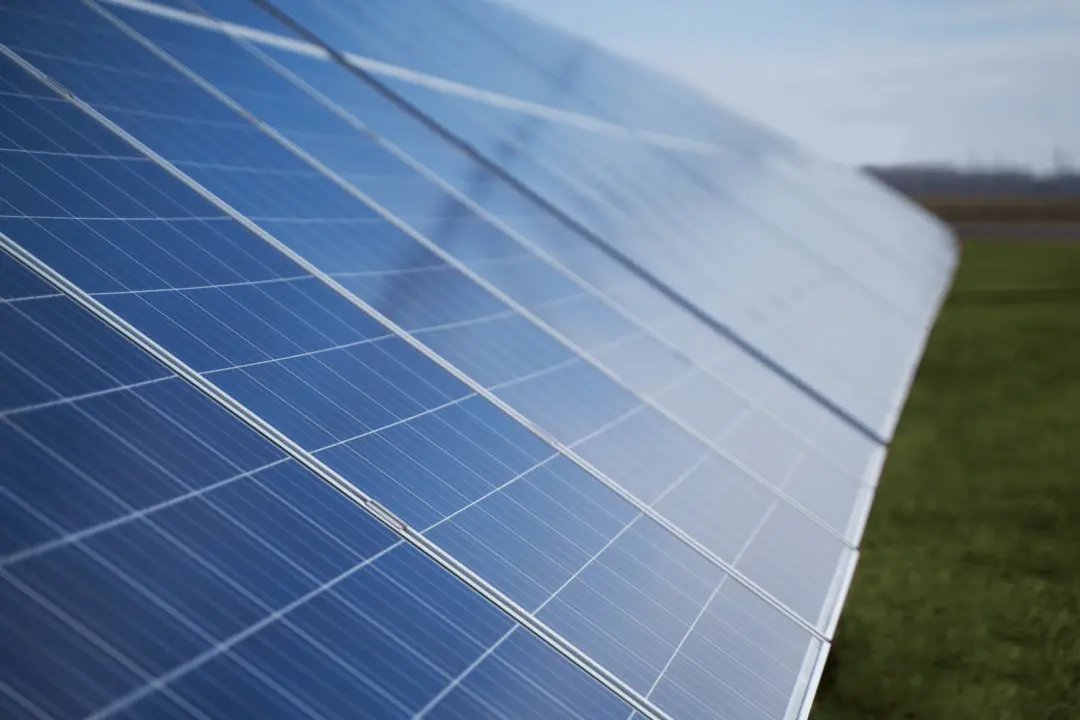
Solar panels turn daylight into electricity that can be used inside a home or business. Battery storage can save electricity that is not needed straight away, allowing it to be used later in the day.
The two technologies can work together to reduce the amount of electricity bought from the grid. However, the right system depends on the property, electricity use, roof space, budget and the times when power is normally needed.
What Are Solar Panels?
Solar photovoltaic panels, often called solar panels, contain cells that produce electricity when daylight reaches them. They can generate power in direct sunshine and during cloudy weather, although output is normally higher on bright days.
The electricity produced by the panels is direct current electricity. An inverter changes it into alternating current electricity, which is the type used by most appliances and electrical systems in UK properties.
Electricity generated by the panels can be used immediately, sent to a battery or exported to the grid.
How Does Battery Storage Work?
A home battery stores electricity so that it can be used at another time. In a solar system, the battery normally charges when the panels are producing more electricity than the property is using.
The stored electricity can then be used during the evening, overnight or when solar generation is low. Some batteries can also charge from the grid when electricity is cheaper under a time-based tariff.
The battery and its control system decide when to charge and when to supply power. Most modern systems work automatically after they have been set up correctly.
A solar and battery system normally includes:
- Solar panels fitted to a roof or suitable ground frame
- An inverter to change the electricity into a usable form
- A battery to store electricity for later use
- A control unit or battery management system
- A generation meter and monitoring system
- Suitable switches, cables and protective equipment
Not every installation needs a battery. Solar panels can operate on their own, while some batteries can work without solar panels by charging from the grid. A professional installer should design the system around the property’s electricity use rather than simply fitting the largest system available.
How Do Solar Panels and Batteries Work Together?
Solar panels normally produce electricity during daylight hours. A property may not use all of this power at the exact time it is generated. Without a battery, unused electricity is usually exported to the grid.
With battery storage, some of the unused electricity can be saved. The property can draw from the battery later, reducing the need to buy electricity from the grid.
For example, panels may charge the battery during the middle of the day. The stored power can then run lighting, televisions, computers and other appliances during the evening.
We recently worked with Sarah in Liverpool, who wanted to get more value from her solar panels. She was already generating plenty of power during the day but using more electricity in the evening, when the panels were producing less. We recommended adding battery storage so she could save some unused daytime energy and use it later when she needed it most.
After the battery was installed, Sarah could use more of her own generated electricity instead of sending as much back to the grid. It meant she didn't need as much electricity from the grid in the evening. For her, combining solar panels with battery storage made the whole system much more useful.
by JAMIE TUCKER, Wigan Electrical SolutionsWhat Happens to the Electricity?
The route taken by solar electricity depends on how much is being generated, how much the property is using and whether the battery has space available.
Electricity Is Used in the Property
Solar electricity is normally used first by appliances and electrical systems that are operating at that moment. This is often the most effective use of the generated power because it avoids buying the same amount from the grid.
Extra Electricity Charges the Battery
If the panels produce more electricity than the property needs, the spare power can charge the battery.
Further Electricity Is Exported
When the battery is full, further unused electricity can be exported to the grid. Eligible owners may receive an export payment from an electricity supplier.
A suitable system should be planned using information such as:
- Yearly electricity use
- Daytime and evening electricity use
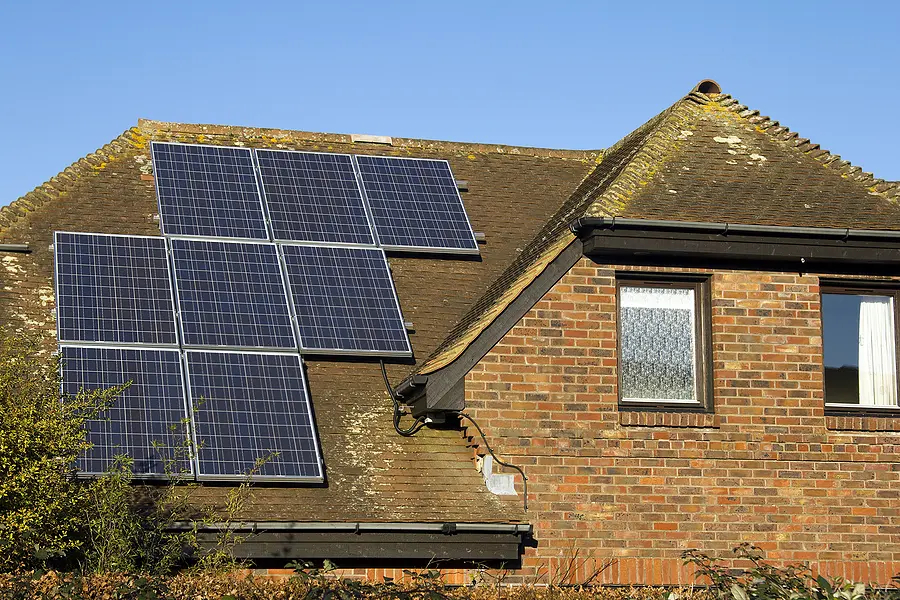
- Available roof space and roof direction
- Shading from trees, chimneys and nearby buildings
- Planned use of an electric vehicle or heat pump
- The electricity tariff and available export payments
- The available installation budget
What Size Solar Panel System Is Needed?
Solar panel system size is normally measured in kilowatts. The correct size depends on the available roof area, the output of each panel and how much electricity the property uses.
A larger system can generate more electricity, but only when there is enough suitable space. The amount generated also changes with roof direction, angle, shading, location and weather.
Roof Direction
A south-facing roof often provides strong yearly output, but east-facing and west-facing roofs can also be suitable. An east and west system may spread generation across more of the day.
Shading
Regular shade can reduce output. An installer should assess nearby trees, roof features and buildings before recommending a layout.
Electricity Use
A household that uses more electricity may benefit from a larger solar system, provided there is enough suitable roof space. However, installing more panels than needed does not always produce the best financial result.
Future Plans
It can be useful to consider future demand. An electric vehicle, heat pump, home extension or change in working habits may increase electricity use.
Panel Output
Modern panels are available in different power ratings. Higher-rated panels may produce more electricity from the same roof area, although cost, product quality, appearance and warranty terms should also be checked.
What Size Battery Is Needed?
Battery capacity is measured in kilowatt hours. Energy Saving Trust states that a typical home battery system may have a capacity of around 10 kilowatt hours, although smaller and larger products are available.
The best size depends on how much spare solar electricity is normally produced and how much electricity the property uses after the panels stop generating.
An oversized battery may often remain partly empty, particularly during winter. An undersized battery may fill early and leave more electricity to be exported.
The usable capacity should also be checked. A battery may have a stated total capacity that is higher than the amount made available for everyday use.
Can a Battery Work Without Solar Panels?
Yes. A battery can be installed without solar panels and charged from the grid. This may allow a household to buy electricity during cheaper periods and use it when prices are higher.
This arrangement normally needs a suitable time-based electricity tariff. Savings depend on the difference between the charging price and the price avoided later. Charging and discharging also involve small energy losses.
A battery-only system may be useful where a roof is unsuitable for panels or where solar installation is planned for a later date. The battery, inverter and controls should be selected carefully so they can work with any future solar system.
How Much Does Battery Storage Cost?
Battery prices vary according to capacity, power output, brand, warranty, installation difficulty and the equipment already fitted at the property.
Energy Saving Trust reported in July 2026 that home battery storage could range from about £1,500 to £10,000. It placed the typical cost of a 5 kilowatt hour battery system at around £4,600.
Installing a battery at the same time as solar panels may cost less than adding it later because the installer can plan the wiring, controls and inverter as one project.
Quotes should clearly show equipment costs, labour, electrical work, monitoring equipment, testing and any expected future maintenance.
How Long Do Solar Panels and Batteries Last?
Solar panels and batteries have different expected lifespans. They should therefore be treated as separate parts of the system when comparing costs and warranties.
- Solar panels: Good-quality panels commonly have an expected working life of about 25 to 35 years.
- Battery storage: Energy Saving Trust gives a typical battery lifespan of about 10 to 12 years.
- Solar inverter: A standard inverter may need replacing before the panels, depending on the product and installation.
Battery life is affected by temperature, charging patterns, the amount of capacity used and the number of charging cycles. Manufacturers may give a time-based warranty, a cycle limit or a guaranteed remaining capacity.
Buyers should check what the warranty covers. Some warranties cover only the equipment, while others may include labour or replacement costs. The installer should also explain what happens if a manufacturer or installation business stops trading.
What Are the Main Benefits?
Solar panels and battery storage can offer several benefits when the system is designed around the property’s needs.
- Lower grid electricity use: Solar electricity can replace some of the power that would otherwise be bought from an electricity supplier.
- More use of generated electricity: A battery allows spare daytime electricity to be used later.
- Protection from changing prices: Generating and storing electricity may reduce exposure to future price changes.
- Support for electric systems: Solar power can contribute towards charging an electric vehicle or running a heat pump.
- Lower carbon impact: Using renewable electricity can reduce the amount of grid electricity needed.
What Are the Limits?
A solar and battery system will not normally remove the need for grid electricity throughout the year. Solar generation is much lower during winter, when days are shorter and weather can be less favourable.
A battery can only store electricity that has been generated or bought. It does not create extra electricity, and it may become empty during periods of high demand or low generation.
There are also energy losses when electricity is stored and released. Using solar electricity directly is normally more efficient than sending it through a battery first.
The initial cost can be significant, and the battery may need replacing during the working life of the panels. Expected savings should therefore be compared with the full long-term cost.
Can Solar Panels and Batteries Work During a Power Cut?
Standard solar systems normally switch off during a power cut. This protects engineers who may be working on the electricity network.
A battery does not automatically provide backup power. The installation needs equipment designed to separate the property safely from the grid and supply selected circuits.
Some systems can provide limited backup for lighting, internet equipment, refrigeration or other important items. Running a full property may require a larger battery and a higher power rating.
Anyone who needs backup power should raise this requirement before the system is designed.
Are Solar Panels and Battery Storage Worth It?
The answer depends on the installation cost, electricity prices, export tariff, system performance and the amount of generated electricity used in the property.
Solar panels are often most valuable when electricity use can be moved into daylight hours. Washing machines, dishwashers, water heating and electric vehicle charging may be scheduled to operate when the panels are generating.
Energy Saving Trust estimates published in 2026 placed typical solar panel payback periods at about 9 to 15 years across several UK locations and household use patterns. These estimates included export payments and were based on the energy prices used in its calculations.
A battery may increase the amount of solar electricity used at home, but its added savings should be compared with its purchase price and expected lifespan.
How Common Is Solar Power in the UK?
Solar installation is growing across homes, businesses and larger energy sites. UK government figures show that around 269,000 solar installations were completed during 2025. This was the highest yearly number recorded and was 37% higher than in 2024.
About 255,000 of the 2025 installations were rooftop systems. This means at least 95% of new installations were placed on homes, businesses or other buildings.
The UK passed two million solar installations in March 2026. The government also reported almost 23,000 further installations during April 2026.
These figures show that solar electricity is becoming a more common part of the UK energy system.
What Should Be Checked Before Installation?
A detailed survey should be completed before work begins. The installer should inspect the roof, electrical system, proposed equipment location and normal electricity use.
- Check the age and condition of the roof.
- Ask for a written estimate of yearly solar generation.
- Check how much generation may be affected by shade.
- Compare the total and usable battery capacity.
- Check the battery’s charging and discharge power.
- Ask whether backup power is included.
- Compare product, performance and installation warranties.
- Check where the inverter and battery will be fitted.
- Ask how the system will be monitored.
- Confirm which certificates and grid applications are included.
Where Can a Solar Battery Be Installed?
A battery may be fitted in a garage, utility room or another suitable area. Some products are designed for outdoor installation, while others must be protected from weather and extreme temperatures.
The location must follow the manufacturer’s instructions and current electrical and fire safety requirements. It should allow enough space for ventilation, inspection, servicing and safe access.
Batteries should not be placed where they could be regularly exposed to flooding, strong heat or physical damage. The installer should also consider cable routes, noise, weight and the distance from the inverter and consumer unit.
Do Solar Panels and Batteries Need Maintenance?
Solar panels have no moving parts and normally need little maintenance. Rain removes much ordinary dirt, although heavy moss, leaves, pollution or bird droppings may need safe professional cleaning.
The system should be monitored for unexpected changes in generation or battery performance. Warning lights, error messages, unusual noises, damage or repeated shutdowns should be checked by a qualified person.
Owners should not open the inverter or battery casing. These systems contain electrical parts that may remain dangerous even when the main power is turned off.
Warranty documents should be kept with electrical certificates, system plans, equipment details and monitoring login information.
Frequently Asked Questions
```Do Solar Panels Work in Winter?
Yes. Solar panels generate electricity from daylight rather than heat. However, shorter days and weaker sunlight mean that winter output is normally much lower than summer output.
Will a Battery Power the Whole House?
It depends on the battery capacity, its power rating and the property’s electricity demand. Some batteries can run many household appliances, but high-power equipment may empty them quickly.
Can a Battery Be Added Later?
Yes. Battery storage can often be added to an existing solar system. The installer must check that the current inverter, wiring and controls are suitable.
What Happens When the Battery Is Full?
The battery stops charging. Further unused solar electricity is normally exported to the grid unless it is directed to another suitable system.
What Happens When the Battery Is Empty?
The property returns to using solar electricity as it is generated and buying any further electricity needed from the grid.
Solar Panels and Battery Storage Explained
Solar panels generate electricity during daylight hours. Battery storage saves some unused electricity so it can be used later. Together, they can reduce grid electricity use and help a property use more of the power it generates.
The system still needs careful planning. Roof condition, shading, electricity use, battery capacity, equipment quality, warranties and installation standards all affect the result.
A larger system is not always the right system. A suitable design should balance expected generation, daytime use, evening demand, available space and long-term cost.
Before choosing equipment, obtain a detailed survey and written generation estimate. Compare several quotes and make sure the proposed system is based on real electricity use rather than a general package.
Do you need Solar Panel Installation Liverpool, Bolton, Wigan or Manchester? Wigan Electrical Solutions can design and install solar panel and battery storage systems for domestic and commercial properties. We provide professional electrical installations in Wigan and the surrounding north-west.