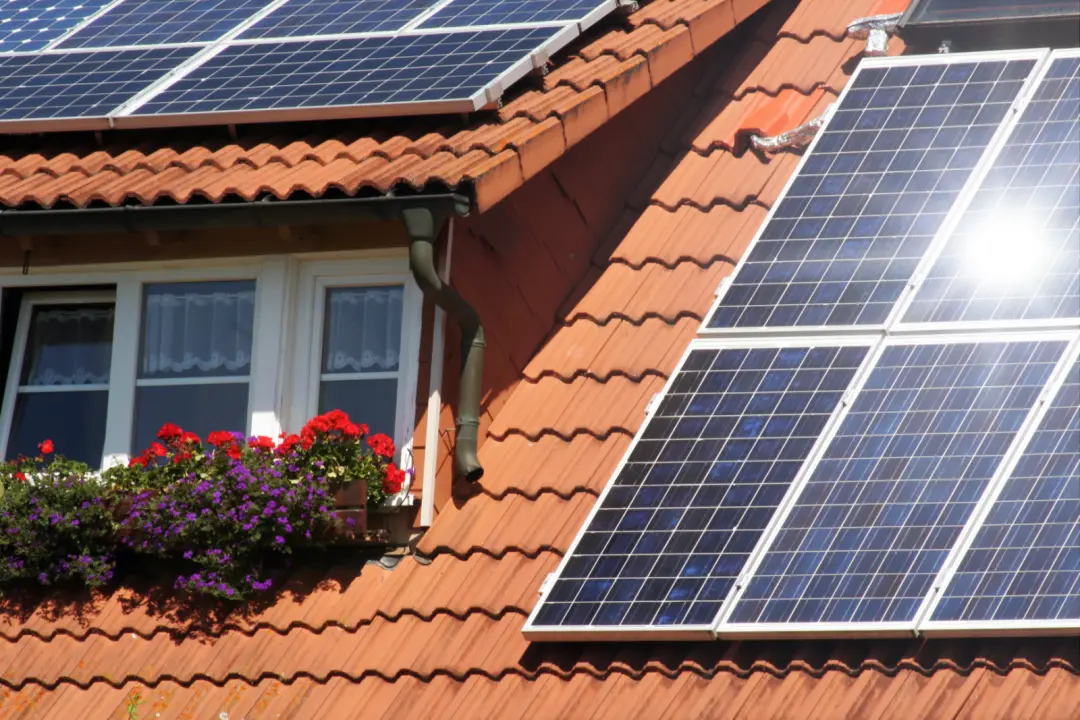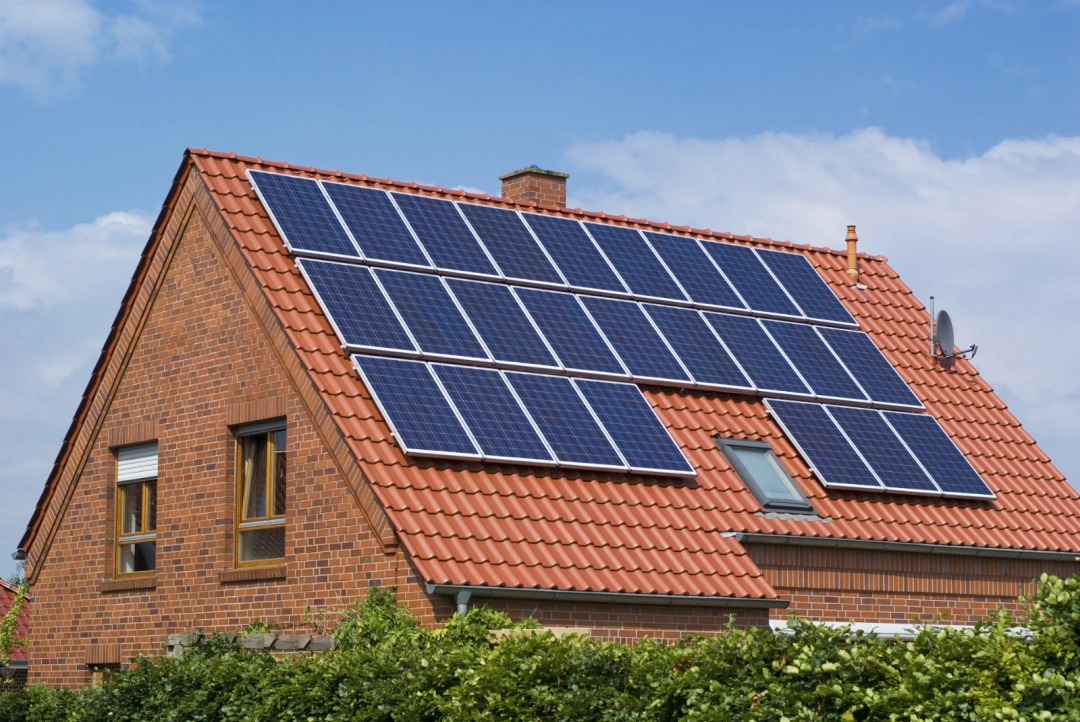
Solar panels can lower household energy bills by generating electricity during daylight hours. The amount saved depends on the size of the system, the property, local sunlight, electricity prices and how much solar power is used in the home.
They do not usually remove an electricity bill completely. Most homes still need electricity from the grid at night and during periods of low generation. However, a well-planned system can reduce the number of electricity units bought from a supplier and may also earn export payments.
How Do Solar Panels Reduce Your Energy Bills?
Solar panels turn daylight into electricity. When the panels are generating power, the property uses this electricity before buying more from the grid.
Every unit of solar electricity used in the property is one less unit that needs to be bought from an energy supplier. The value of that saving is linked to the electricity rate on the household tariff.
From 1 July to 30 September 2026, the average electricity rate under the energy price cap is 26.11 pence per kilowatt hour for customers paying by Direct Debit in England, Scotland and Wales. Actual rates differ by region, tariff and payment method.
At that average rate, using 1,000 kilowatt hours of solar electricity in the home instead of buying it from the grid would avoid about £261 in electricity unit charges.
Will Solar Panels Remove Your Electricity Bill?
Solar panels will not normally remove the full bill. A household usually remains connected to the electricity grid and continues to pay a daily standing charge.
The standing charge applies even when no electricity is taken from the grid. Between 1 July and 30 September 2026, the average electricity standing charge under the price cap is 57.19 pence per day for Direct Debit customers. This is about £209 a year.
Your bill may also include electricity bought from the grid:
- At night, when the panels are not generating electricity
- During dull winter days or long periods of heavy cloud
- When household demand is higher than the panels can supply
- When several high-use appliances are running at the same time
A solar battery can reduce the amount of grid electricity needed outside daylight hours, but it cannot always make a property fully independent. Battery capacity, weather, seasonal generation and household use all affect the result.
Related Articles:
What To Consider Before Installing Solar Panels
Do Solar Panels Work on Cloudy Days
Are Solar Panels Worth the Cost
How Much Could Solar Panels Save?
There is no single savings figure that applies to every property. Savings depend on how much electricity the panels generate and how much of that electricity is used in the home.
For example, a system that generates 3,500 kilowatt hours in a year would produce electricity with a grid purchase value of about £914 at a rate of 26.11 pence per kilowatt hour.
However, this does not mean the household would automatically save £914. Some electricity may be exported because it is not needed when it is generated. Exported electricity is normally paid at a different rate.
If the household used 50% of the generated electricity directly, 1,750 kilowatt hours would replace grid electricity. This would be worth about £457 at the same unit rate. Payments for the remaining exported electricity would then be added to the total benefit.
These figures are examples rather than a quote or guarantee. Solar generation, energy tariffs and household use can change.
What Is Solar Self-Consumption?
Solar self-consumption is the share of generated electricity that is used within the property. It has an important effect on bill savings.
Electricity used directly in the home normally has greater financial value than electricity exported to the grid. This is because the household avoids paying the full retail electricity rate, while export rates are usually lower.
Imagine that the panels are producing 2 kilowatts of power and the property is using 1.5 kilowatts. The solar system can meet all current demand, with the remaining 0.5 kilowatts exported or stored in a battery.
If demand rises to 3 kilowatts, the panels still supply 2 kilowatts, while the remaining 1 kilowatt comes from the grid, a battery or another suitable source.
Using more electricity during daylight hours can therefore improve the amount saved. However, appliances should always be used safely and according to the manufacturer’s instructions.
Ways to increase solar self-consumption may include:
- Running washing machines and dishwashers during daylight hours
- Using appliance timers when it is safe to do so
- Charging an electric vehicle when solar generation is strong
- Heating water with spare solar electricity through suitable controls
- Storing unused electricity in a correctly sized battery
Can You Be Paid for Exported Solar Electricity?
Households in Great Britain may be able to receive payments for eligible solar electricity exported to the grid through the Smart Export Guarantee.
Under this scheme, certain electricity suppliers must offer export payments to eligible small-scale generators. Suppliers set their own payment rates, contract periods and other terms, so offers can differ widely.
A suitable smart meter is normally needed to record exported electricity. The solar installation must also meet the supplier’s eligibility rules.
Export payments can improve the financial return from solar panels, but the highest advertised rate may not always be the best option. Some deals require customers to buy electricity from the same supplier, use certain equipment or accept a linked tariff.
Compare the import rate, export rate, standing charge and full contract terms before changing supplier.
When Do Solar Panels Produce the Most Electricity?
Solar panels produce electricity during daylight hours. Generation is usually strongest around the middle of the day and during the brighter months of the year.
A system can still generate electricity on cloudy days, but output is normally lower. Winter days are shorter, the sun is lower in the sky and poor weather may reduce generation further.
This seasonal difference means a household may buy very little daytime electricity during a bright summer period but need much more grid electricity in winter.
The direction and angle of the roof also matter. A clear, suitably angled, south-facing roof often produces strong annual generation. East-facing and west-facing systems can still work well and may spread generation across the morning and afternoon.
Which Factors Affect Solar Panel Savings?
System Size
A larger system can generate more electricity, but only when the roof has enough suitable space and the system is properly designed.
Roof Direction and Shading
Nearby trees, chimneys, buildings and roof features can block sunlight. Even partial shade may lower output, although suitable system design can reduce its effect.
Household Electricity Use
A household that uses more electricity during daylight hours may use a greater share of its solar generation directly.
Electricity Prices
Higher grid electricity prices increase the value of each solar unit used in the property. Lower prices reduce that value.
Do Solar Batteries Reduce Energy Bills?
A solar battery stores electricity that is not needed immediately. The stored energy can then be used later, such as during the evening.
This can increase solar self-consumption and reduce the amount of electricity bought from the grid. Some batteries can also charge from the grid during lower-priced periods and supply electricity when rates are higher.
However, a battery adds to the installation cost and does not provide unlimited storage. Some energy is also lost during charging and discharging.
Whether a battery offers good value depends on its price, usable capacity, expected life, warranty, electricity tariff and household use. A detailed estimate should compare projected savings with the full cost of buying and replacing the battery.
How Do Smart Tariffs Affect Solar Savings?
Some electricity tariffs charge different rates at different times of day. These tariffs can work well with solar panels, batteries, heat pumps and electric vehicles, but careful planning is needed.
A battery may charge when electricity is cheaper and supply the home when rates are higher. Solar electricity can then reduce daytime purchases or recharge the battery.
Tariffs can also have special export periods when suppliers pay more for electricity sent to the grid. However, rates, time periods and contract conditions can change.
Look at a full year of electricity use before choosing a tariff. A low night rate may be useful, but it could be linked to a higher daytime rate or different standing charge.
How Long Does It Take for Solar Panels to Pay for Themselves?
The payback period is the time it takes for bill savings and export payments to equal the initial cost of the system.
There is no fixed payback period for every home. It depends on the installation price, system output, electricity prices, export payments, maintenance costs and the amount of generated electricity used in the property.
A system with strong generation and high self-consumption may recover its cost more quickly than a shaded system that exports most of its electricity at a low rate.
Solar panels commonly have performance warranties lasting 25 years or longer. This means a suitable system may continue providing financial benefits after its original cost has been recovered.
Any payback estimate should include likely inverter replacement costs and should not assume that electricity or export rates will remain unchanged.
How Can You Estimate Your Solar Savings?
A useful estimate should be based on the property rather than a national average. Before agreeing to an installation, ask for a written forecast that clearly shows:
- The expected yearly electricity generation
- The roof direction, angle and level of shading
- The estimated percentage used in the property
- The estimated percentage exported to the grid
- The electricity and export rates used in the calculation
- Expected panel performance over time
- Maintenance and inverter replacement assumptions
- Whether a battery is included in the estimate
Check the figures against recent electricity bills. Bills or smart meter records can show annual electricity use and when much of that electricity is consumed.
Be careful with estimates that assume every unit generated will save the full retail electricity rate. This is unlikely unless nearly all solar electricity is used or stored in the property.
It is also sensible to request more than one quote. Compare system design, equipment, warranties, expected output and aftercare rather than choosing on price alone.
How Common Are Solar Panels in the UK?
Solar use continues to grow across the UK. Government figures show that the country had provisionally reached 22.8 gigawatts of solar capacity across about 2,076,000 installations by the end of June 2026.
This represented a capacity increase of 10.9%, or 2.2 gigawatts, compared with June 2025.
During June 2026, a further 27,391 installations were added, providing 132 megawatts of capacity. Of these, around 18,000 systems were installed on residential buildings.
The figures for the latest month are provisional and may be updated as more information is received.
Frequently Asked Questions
```Do Solar Panels Work During a Power Cut?
Most standard grid-connected systems switch off automatically during a power cut. This protects people working on the electricity network. Backup power requires suitable equipment, system design and controls.
Do Solar Panels Save Money in Winter?
Yes, but winter savings are normally lower because days are shorter and solar generation is reduced. Panels can still produce electricity whenever there is enough daylight.
Will I Still Pay a Standing Charge?
Yes. A household connected to the grid will normally continue paying the standing charge set by its electricity tariff.
Can Solar Panels Power an Electric Vehicle?
Solar electricity can help charge an electric vehicle. The amount supplied depends on current generation, household demand, charger settings and how long the vehicle is connected during daylight hours.
Can I Change Energy Supplier After Installing Solar Panels?
Yes. Import and export arrangements may be held with the same supplier or different suppliers, depending on their terms. Check how changing supplier will affect both payments and rates.
Do I Need a Smart Meter?
A compatible smart meter is normally required for measured export payments. Ask the chosen export supplier which meter and readings it accepts.
Are Solar Panels a Good Way to Control Energy Bills?
Solar panels can reduce exposure to electricity price changes by lowering the number of units bought from the grid. They can be particularly useful for households that use a large amount of electricity during daylight hours.
The greatest savings normally come from a suitable roof, a correctly sized system and good solar self-consumption. A battery may increase the share of solar electricity used in the home, but its added cost must be considered.
Solar panels do not remove standing charges, guarantee fixed savings or make every home independent from the grid. Weather, electricity use, equipment performance and tariffs all affect the final result.
Before making a decision, compare several written quotes and ask each installer to explain the generation estimate, expected bill reduction, export income, warranties and likely replacement costs.
Do you need Solar Panel Installers Near Me in Bolton, Wigan, Manchester or Liverpool? Wigan Electrical Solutions provides professional solar panel and electrical installations for domestic and commercial clients across Wigan and the surrounding north-west. Contact the team to discuss your property, electricity use and installation options.