Electric vehicle charging can seem confusing because chargers differ in power, speed, connection type and intended use.
Some chargers are designed for overnight charging at home, while others can add a useful amount of range during a short motorway stop. Understanding the main types of EV chargers can help you choose a suitable home unit, plan longer journeys and avoid paying for charging speeds that your vehicle cannot accept.
What Is an EV Charger?
An EV charger supplies electricity to the battery of an electric vehicle. The time needed to charge depends on the power of the charger, the size of the vehicle battery and the maximum charging rate supported by the vehicle.
Chargers are often grouped by their power rating. Lower-powered chargers are normally used where vehicles remain parked for several hours. Higher-powered chargers are more common at motorway services, charging hubs and other locations where drivers want to continue their journey quickly.
A charger does not always deliver its full advertised power. Charging speed may reduce because of battery temperature, battery charge level, shared power at the site or limits within the vehicle.
How Many Public EV Chargers Are There in the United Kingdom?
As of 1 April 2026, there were 119,080 public EV chargers in the United Kingdom. This included 27,372 chargers rated at 50 kilowatts or more.
During the first three months of 2026, 3,028 chargers were added to the public network. A further 13,281 chargers were added during 2025.
The latest monthly government tables were updated to include figures for 1 July 2026. However, the April 2026 quarterly report provides the latest full breakdown by charging power and location type.
- 50% of public chargers were rated from 3 to less than 8 kilowatts
- 27% were rated from 8 to less than 50 kilowatts
- 12% were rated from 50 to less than 150 kilowatts
- 11% were rated at 150 kilowatts or more
- 52% of public chargers were located at destinations
- 32% were classed as on-street chargers
- 11% were designed mainly for charging during a journey
The figures show that lower-powered chargers still form most of the public network. These chargers are useful in places where vehicles remain parked for longer periods, while rapid and ultra-rapid units support drivers making longer journeys.
What Are the Main Types of EV Chargers?
Government charging statistics use four main power groups: standard, standard plus, rapid and ultra-rapid.
A standard charger provides from 3 to less than 8 kilowatts. Standard plus covers chargers from 8 to less than 50 kilowatts. Rapid chargers provide from 50 to less than 150 kilowatts, while ultra-rapid chargers provide 150 kilowatts or more.
Charging businesses and vehicle manufacturers may use slightly different descriptions. For example, a charger rated at 22 kilowatts may be described as fast rather than standard plus. It is therefore best to compare the power rating instead of relying only on the charger name.
Standard EV Chargers
Standard chargers provide from 3 to less than 8 kilowatts. A 7-kilowatt home charger is one of the most common examples.
These units are well suited to overnight charging because a vehicle may remain connected for several hours. A 7-kilowatt charger can add roughly 25 to 30 miles of range per hour, although the actual figure depends on the vehicle and driving conditions.
Charging a large battery from almost empty may take eight hours or longer. However, most drivers do not arrive home with a completely empty battery. Regular charging can replace the energy used during the day without requiring a full charge every night.
Standard chargers are commonly found at homes, workplaces, hotels, residential streets and long-stay car parks.
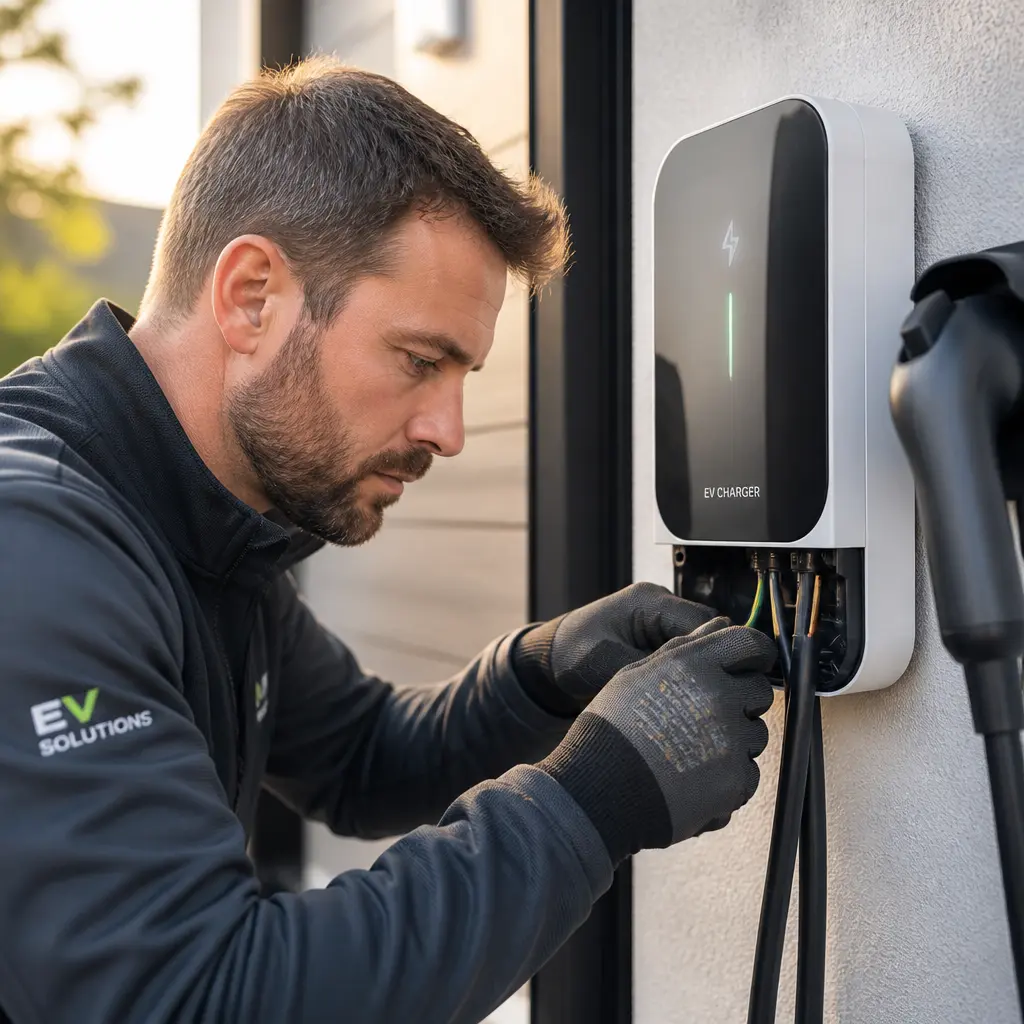
Who Should Use a Standard Charger?
A standard charger is usually suitable for drivers who can leave their vehicle connected overnight or throughout the working day.
It may also suit households with more than one electric vehicle when a suitable charging system can manage how electricity is shared between them.
A qualified installer should check the electrical supply before fitting a home charger. The installation may need its own circuit, suitable protection and equipment that can manage the available electrical load.
Standard Plus and Fast EV Chargers
Standard plus chargers provide from 8 to less than 50 kilowatts. Chargers rated at 11 or 22 kilowatts are often described as fast chargers.
These chargers are commonly installed at workplaces, shopping centres, leisure facilities, hotels and public car parks. They are useful where a vehicle will remain parked for one or more hours.
An 11-kilowatt charger may add around 35 to 45 miles of range per hour. A 22-kilowatt charger may add considerably more, but only when the vehicle can accept that rate.
Many electric cars cannot receive the full power available from a 22-kilowatt charger. The vehicle may limit charging to 7 or 11 kilowatts, even when connected to a more powerful unit.
Can You Install a 22-Kilowatt Charger at Home?
A 22-kilowatt charger will normally require a three-phase electrical supply. Most homes have a single-phase supply and may therefore be better suited to a 7-kilowatt charger.
Upgrading the electricity supply may be possible, but it can involve additional work and cost. The benefit may also be limited if the vehicle cannot charge at 22 kilowatts.
An installer can assess the property, vehicle and daily mileage before recommending a suitable charger.
Rapid EV Chargers
Rapid chargers provide from 50 to less than 150 kilowatts. They are mainly intended for drivers who need to add range during a journey rather than leave the vehicle connected for several hours.
A suitable vehicle may charge from 10% to 80% in around 30 to 60 minutes. Charging times vary widely because vehicles have different battery sizes and maximum charging rates.
Rapid chargers are commonly found at motorway service areas, service stations, supermarkets, restaurants and dedicated charging hubs.
Charging usually becomes slower as the battery approaches full capacity. For this reason, continuing from 80% to 100% can take much longer than charging from 10% to 80%.
Drivers on long journeys may save time by charging to the level needed to reach their next stop instead of waiting for a completely full battery.
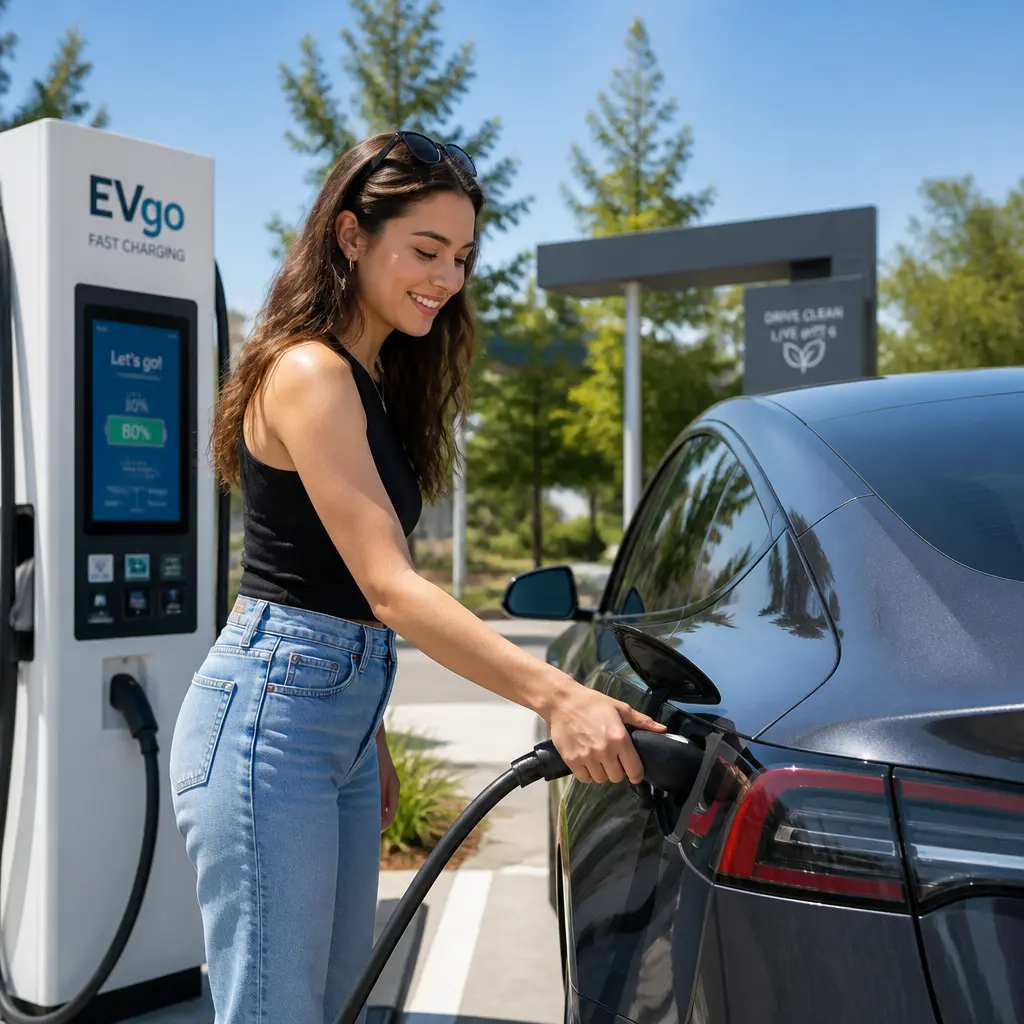
Ultra-Rapid EV Chargers
Ultra-rapid chargers provide 150 kilowatts or more. Some newer public chargers can supply 300 or 350 kilowatts under suitable conditions.
These chargers are designed for vehicles that can accept very high charging rates. A compatible vehicle may add hundreds of miles of range in less than 30 minutes, although this will depend on the battery, temperature and charge level.
Connecting a vehicle with a maximum charging rate of 100 kilowatts to a 350-kilowatt charger will not make it charge at 350 kilowatts. The vehicle will only accept the amount of power that its battery system allows.
Ultra-rapid charging is most useful on long journeys and for drivers who cannot spend several hours at a charging location.
What Is the Difference Between Alternating Current and Direct Current Charging?
Standard and many faster chargers supply alternating current electricity. The vehicle then uses equipment inside the car to change the electricity into a form that can be stored in the battery.
The power of this internal equipment can limit the charging speed. For example, a vehicle with an 11-kilowatt limit will not take 22 kilowatts from an alternating current charger.
Rapid and ultra-rapid chargers normally supply direct current electricity. The charging unit changes the electricity before it reaches the vehicle, allowing power to be delivered directly to the battery.
This allows much faster charging, but direct current charging equipment is larger, more costly and requires a stronger electrical connection.
What Is a Tethered EV Charger?
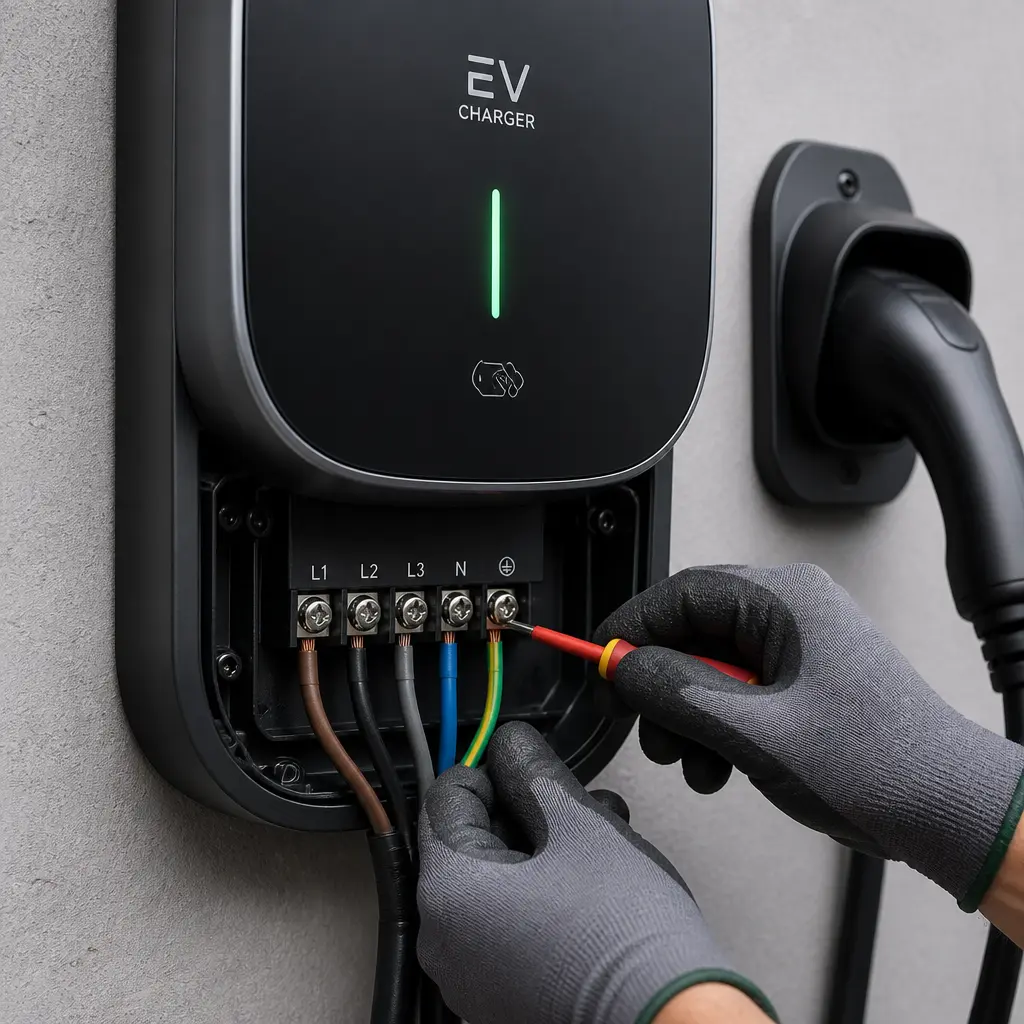
A tethered charger has a charging cable permanently attached to the unit. The driver parks the vehicle, removes the cable from its holder and connects it to the charging port.
This can make daily home charging simple because there is no need to take a separate cable out of the vehicle.
However, the fixed cable must match the vehicle connection. A future vehicle with a different connection may need an adaptor or a replacement charger.
The cable also remains visible when it is not being used, although many chargers include a holder to keep it tidy and away from the ground.
What Is an Untethered EV Charger?
An untethered charger has a socket rather than a permanently attached cable. The driver connects a separate charging cable between the vehicle and the charger.
This can provide more flexibility because the cable can be replaced if it becomes damaged or if a different connection is needed in the future.
An untethered unit may also have a cleaner appearance when it is not being used. However, the driver must store and connect the cable each time.
Public destination chargers are often untethered, so EV drivers may need to carry their own suitable cable.
What Is a Type 2 Connection?
Type 2 is the most common connection for standard and faster charging on modern electric cars in the United Kingdom and Europe.
It is used by many home, workplace and public destination chargers. A Type 2 cable may be permanently attached to the charger or supplied separately by the driver.
The connection can support different charging rates, but the actual speed depends on the charger, cable, electrical supply and vehicle.
What Connections Do Rapid Chargers Use?
Most modern rapid and ultra-rapid chargers use the Combined Charging System connection. This adds two larger direct current contacts below the standard Type 2 section of the vehicle connection.
Some older electric vehicles use a connection called CHAdeMO. The number of new cars using this connection has reduced, but it remains available at many public charging locations.
Rapid chargers normally have their own attached cables, so drivers do not need to provide a separate rapid charging cable.
Before visiting a charging location, check that it offers the correct connection for your vehicle. A charging map or the vehicle navigation system may provide live information about connection types and availability.
Home EV Chargers
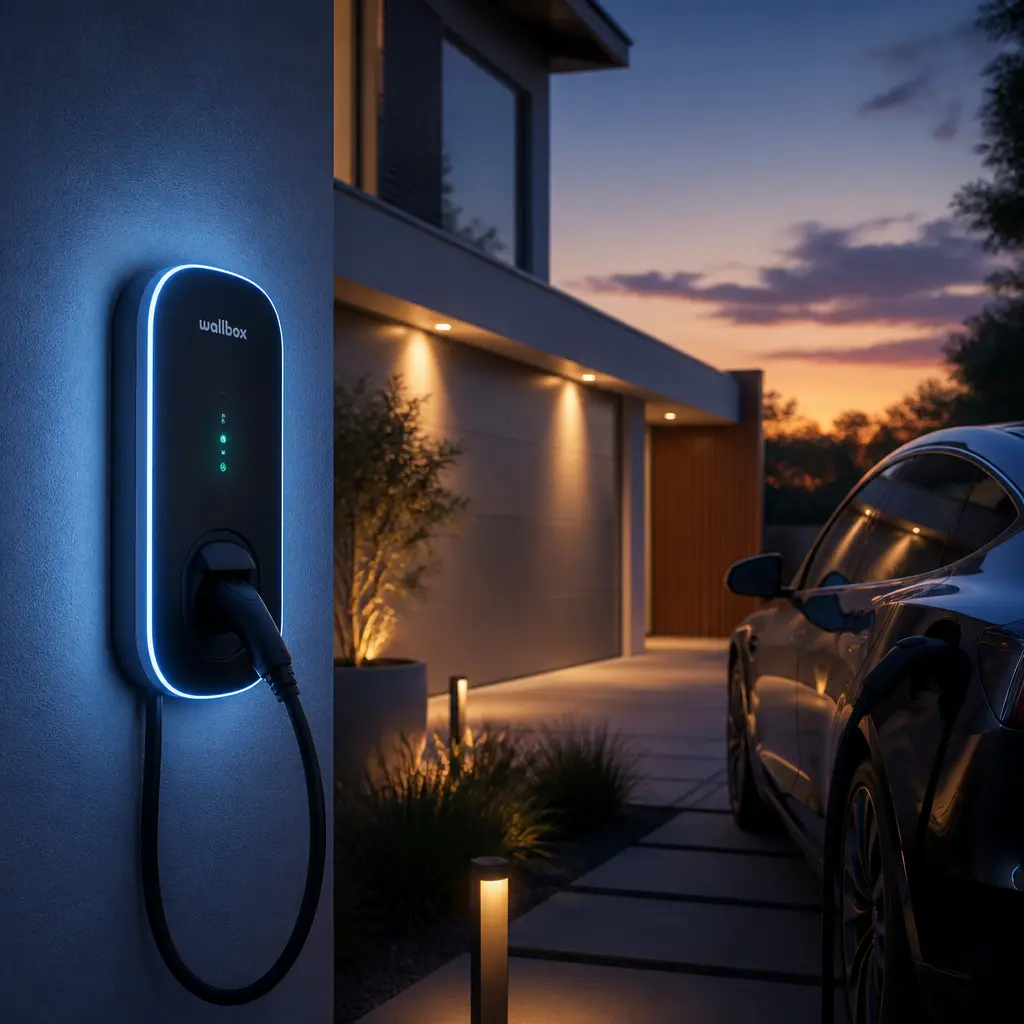
A dedicated home charger is usually safer and faster than relying on a standard household socket. Most home units provide around 7 kilowatts and are designed for regular overnight use.
Many modern chargers include smart features that can schedule charging for times when electricity prices are lower. Some can also adjust the charging rate when other appliances are using large amounts of power.
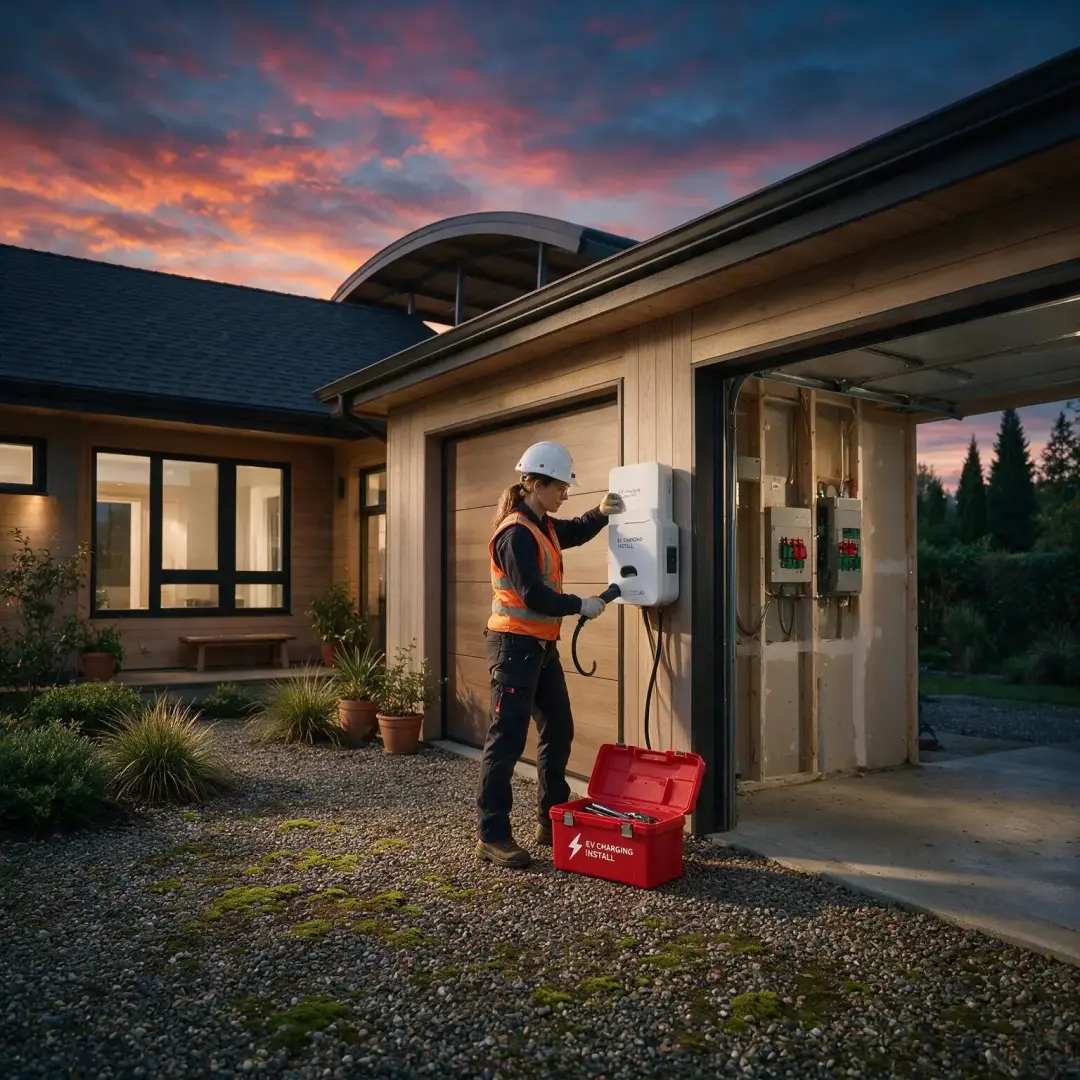
The charger must be installed by a competent professional and connected to a suitable electrical circuit. The installer should assess the existing supply, consumer unit, earthing arrangements and available capacity.
Planning permission is not normally required for many home installations, but different rules may apply to listed buildings, rented properties and homes without private parking.
Can You Charge an EV from a Household Socket?
Some electric vehicles are supplied with a cable that can connect to a household socket. This method normally provides around 2 to 3 kilowatts and is sometimes called slow charging.
Charging a large vehicle battery this way can take more than 20 hours. It should not be treated as the best long-term option for regular charging.
Old, damaged or unsuitable sockets may become hot during long charging periods. Extension leads, adaptors and coiled cables should not be used for vehicle charging.
Arrange an electrical inspection before relying on an existing socket to charge a vehicle.
Workplace and Destination Chargers
Workplace and destination chargers are designed for vehicles that remain parked while the driver works, shops, stays at a hotel or uses a leisure facility.
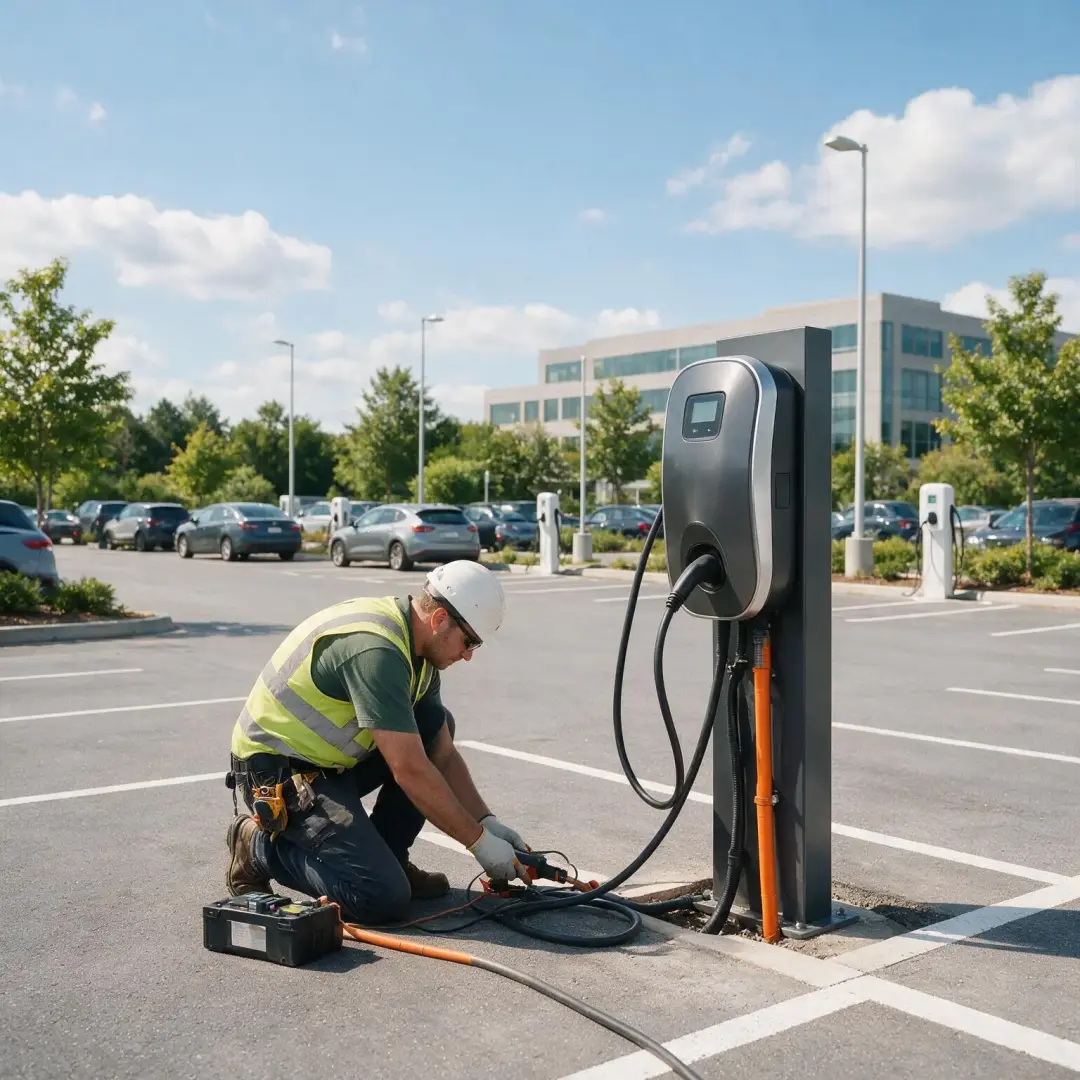
These locations commonly provide chargers rated at 7, 11 or 22 kilowatts. Some busy sites also provide rapid charging.
Businesses can use managed charging systems to control access, record electricity use and share available power between several vehicles.
A charger may be free for customers, included with parking or charged according to time or electricity used. Drivers should check parking rules as well as charging prices, because parking charges may continue after charging has finished.
On-Street EV Chargers
On-street chargers support drivers who do not have a driveway or private parking space. They may be installed in dedicated posts, existing street furniture or converted lamp columns.
These chargers are often lower-powered because vehicles are expected to remain parked for several hours or overnight.
As of 1 April 2026, completed projects supported by the On-Street Residential Chargepoint Scheme represented 17,181 public charging devices installed by local authorities since the scheme began in 2017.
Drivers should check local parking restrictions, maximum stay periods and whether the charging bay must be booked. Charging and parking may be billed separately.
How Long Does It Take to Charge an EV?
Charging time can be estimated by dividing the amount of energy needed by the charging power. For example, adding 35 kilowatt-hours through a 7-kilowatt charger would take roughly five hours under ideal conditions.
Real charging times may be longer because some energy is lost during charging and the vehicle may reduce the rate at certain battery levels.
Battery temperature can also affect rapid charging. A very cold or hot battery may accept less power until it reaches a suitable temperature.
Some vehicles can prepare the battery before arriving at a rapid charger. This can improve charging performance when the charger is entered as a destination in the vehicle navigation system.
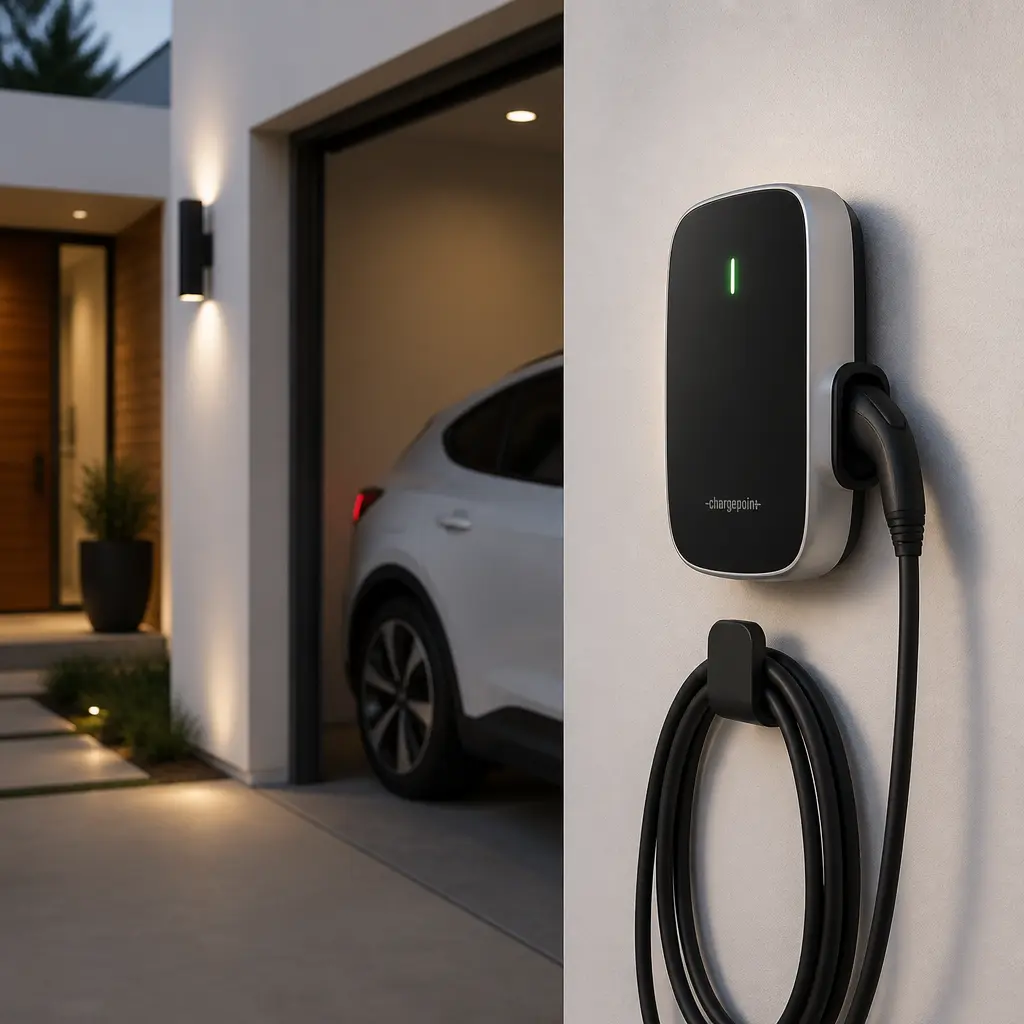
Typical charging times may include:
- Household socket: Often more than 20 hours for a large battery
- 7-kilowatt home charger: Around 8 to 12 hours for many full charges
- 22-kilowatt charger: Around 3 to 5 hours when the vehicle supports the full rate
- 50-kilowatt rapid charger: Often around 45 to 75 minutes from 10% to 80%
- 150-kilowatt or higher charger: Some suitable vehicles can charge from 10% to 80% in less than 30 minutes
These times are general examples rather than guarantees. Check the vehicle handbook or manufacturer information for its battery size and maximum charging rate.
Why Does Charging Speed Change During a Session?
Electric vehicles do not usually charge at one fixed rate from empty to full. The vehicle continually manages the power entering the battery to control heat and protect battery health.
A rapid charger may reach its highest rate when the battery has a low charge level and suitable temperature. The rate will normally fall as the battery becomes fuller.
This changing rate is sometimes shown as a charging curve. Two vehicles with the same maximum charging figure may still complete a charging session at different times because one maintains a high rate for longer.
Charging power may also fall when several chargers share the same electrical supply.
How Do You Pay for Public EV Charging?
Public charging can be paid for through a contactless bank card, mobile application, membership account or charging card. The available method depends on the charging provider and location.
Newer rapid chargers commonly offer contactless payment, allowing drivers to charge without creating an account. Some older or lower-powered chargers may still require a mobile application or membership.
Prices may be based on the electricity used, the time spent connected or a combination of both. Some locations also charge a fee when a vehicle remains connected after charging has finished.
Check the full price before starting. Membership rates may be lower than pay-as-you-go prices, but a regular fee may apply.
Which EV Charger Is Right for Your Home?
A 7-kilowatt charger is suitable for many households because it can replace a typical day of driving during an overnight charging period.
The right choice will depend on daily mileage, parking arrangements, vehicle charging limits and the capacity of the electrical supply.
Smart scheduling may be valuable when the household has an electricity price that changes at different times of day. Solar panels may also affect the type of charger and controls that are most useful.
Consider whether you prefer a fixed cable or a socketed unit. You should also check the cable length, charger position, warranty and access controls.
What Should You Check Before Using a Public Charger?
Check that the charger has the right connection and can provide a suitable rate for your vehicle. A very powerful charger may cost more without reducing the charging time if the vehicle has a lower limit.
Review the price, parking rules and payment method before connecting. Charging applications can sometimes show whether a unit is available or out of service.
Inspect the cable and connection for obvious damage. Do not use equipment with exposed wires, badly cracked parts or signs of burning. Report damaged public equipment to the charging provider.
Frequently Asked Questions
```Does a More Powerful Charger Always Charge Faster?
No. The vehicle controls the maximum amount of power it can accept. A 100-kilowatt vehicle will not charge at 350 kilowatts simply because it is connected to a 350-kilowatt unit.
Can Every Electric Car Use Every Charger?
No. The charger must have a suitable connection, and the vehicle must support the type of electricity supplied. Check the vehicle handbook before using an unfamiliar charger.
Is Rapid Charging Bad for an EV Battery?
Electric vehicles include systems that control charging speed and battery temperature. Frequent rapid charging in difficult conditions may increase battery wear, but occasional use during journeys is a normal part of electric vehicle ownership.
Should You Charge an EV to 100% Every Day?
Many drivers do not need a full battery every day. Follow the vehicle manufacturer’s guidance, as recommended daily charging levels can differ between battery types.
What Are the Different Types of EV Chargers?
EV chargers range from low-powered household connections to ultra-rapid public units rated at 150 kilowatts or more.
Standard chargers are suitable for overnight and long-stay charging. Standard plus and fast chargers work well at workplaces, hotels and shopping centres. Rapid and ultra-rapid chargers are designed mainly for longer journeys where drivers need to add range quickly.
The fastest charger is not always the most suitable option. The best choice depends on where the vehicle is parked, how long it will remain there and the maximum power it can accept.
For home charging, arrange an assessment by a competent installer so the charger and electrical system can be matched safely.
Do you need help choosing or installing an EV charger in Wigan, Manchester, Liverpool or Bolton? Wigan Electrical Solutions can assess your property, electrical supply and charging needs before recommending a suitable home or workplace charging system. Contact the team to arrange a professional assessment and installation.