What causes burning smells from electrical sockets? A burning smell from an electrical socket is a serious warning sign. It may mean that a plug, cable, connection or part inside the socket is becoming dangerously hot.
Stop using the socket and arrange an inspection. Do not remove the socket cover or attempt repairs unless you have the correct electrical training and qualifications.
What Does a Burning Smell from an Electrical Socket Mean?
A burning smell from an electrical socket usually means that heat is building up somewhere within the socket, plug, wiring or connected appliance.
The smell may resemble hot plastic, burning rubber, melting insulation or scorched dust. It may appear only when an appliance is running, or it may continue after the appliance has been switched off.
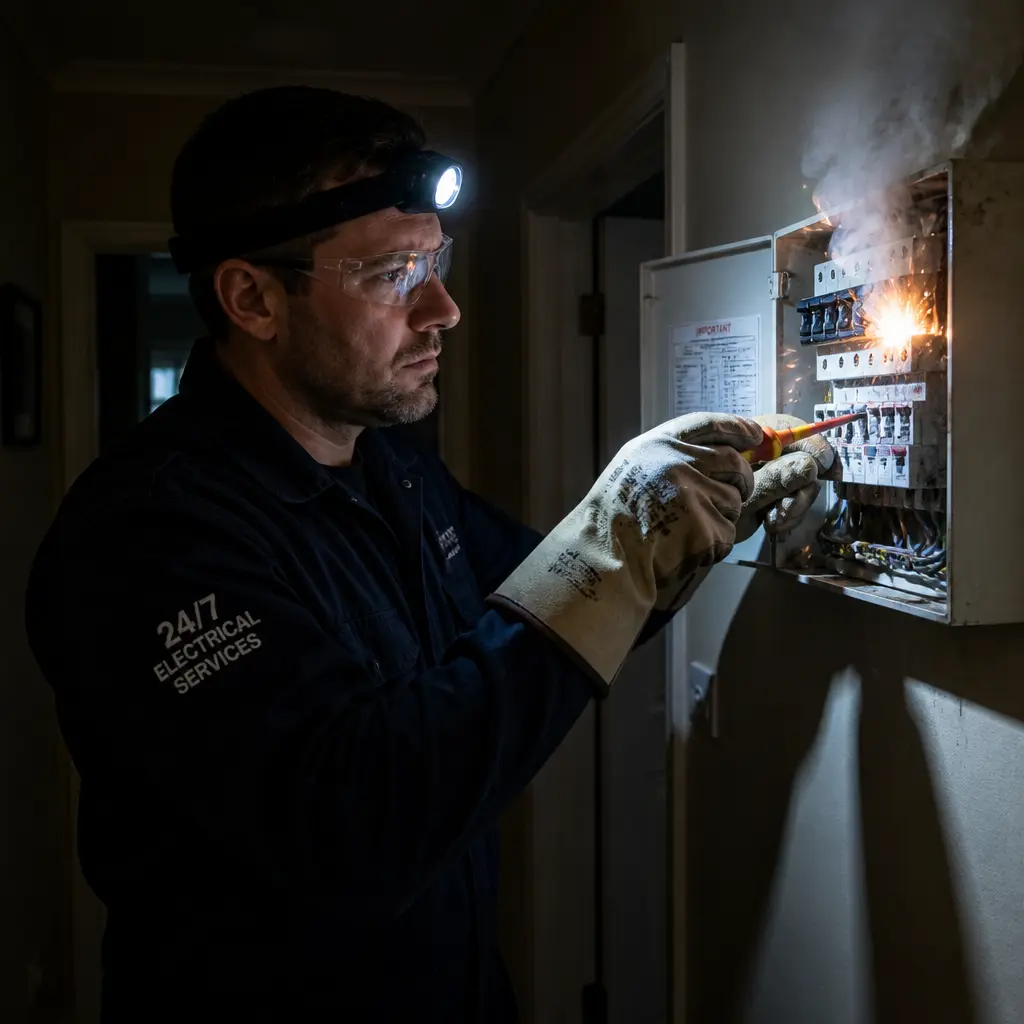
The source should always be investigated. Electrical heat can damage protective insulation, melt plastic parts and increase the risk of electric shock or fire.
How Common Are Fires in UK Homes?
Fire and rescue services attended 26,180 dwelling fires in England during the year ending March 2026. This was 2.8% more than during the previous year, although it was 17% lower than ten years earlier.
Of these incidents, 23,795 were accidental dwelling fires. There were also 184 fire-related deaths in dwelling fires during the same period.
The figures cover all causes of home fires rather than socket faults alone. However, they show why burning smells, unusual heat and damaged electrical fittings should never be ignored.
- 170,597 fires were attended in England
- 26,180 of these were dwelling fires
- 23,795 dwelling fires were accidental
- 184 fire-related deaths occurred in dwelling fires
- Dwelling fires increased by 2.8% from the previous year
The latest detailed analysis, covering the year ending March 2025, found that 29% of accidental dwelling fires were caused by the misuse of equipment or appliances. This category includes many types of household equipment and is not limited to electrical sockets.
What Causes a Burning Smell from a Socket?
Several faults can cause a socket to smell burnt. The problem may be inside the socket, within the fixed wiring, in a plug or inside a connected appliance.
Loose Electrical Connections
Wires and terminals must be held securely so electricity can pass through them safely. A loose connection creates resistance, which can produce heat.
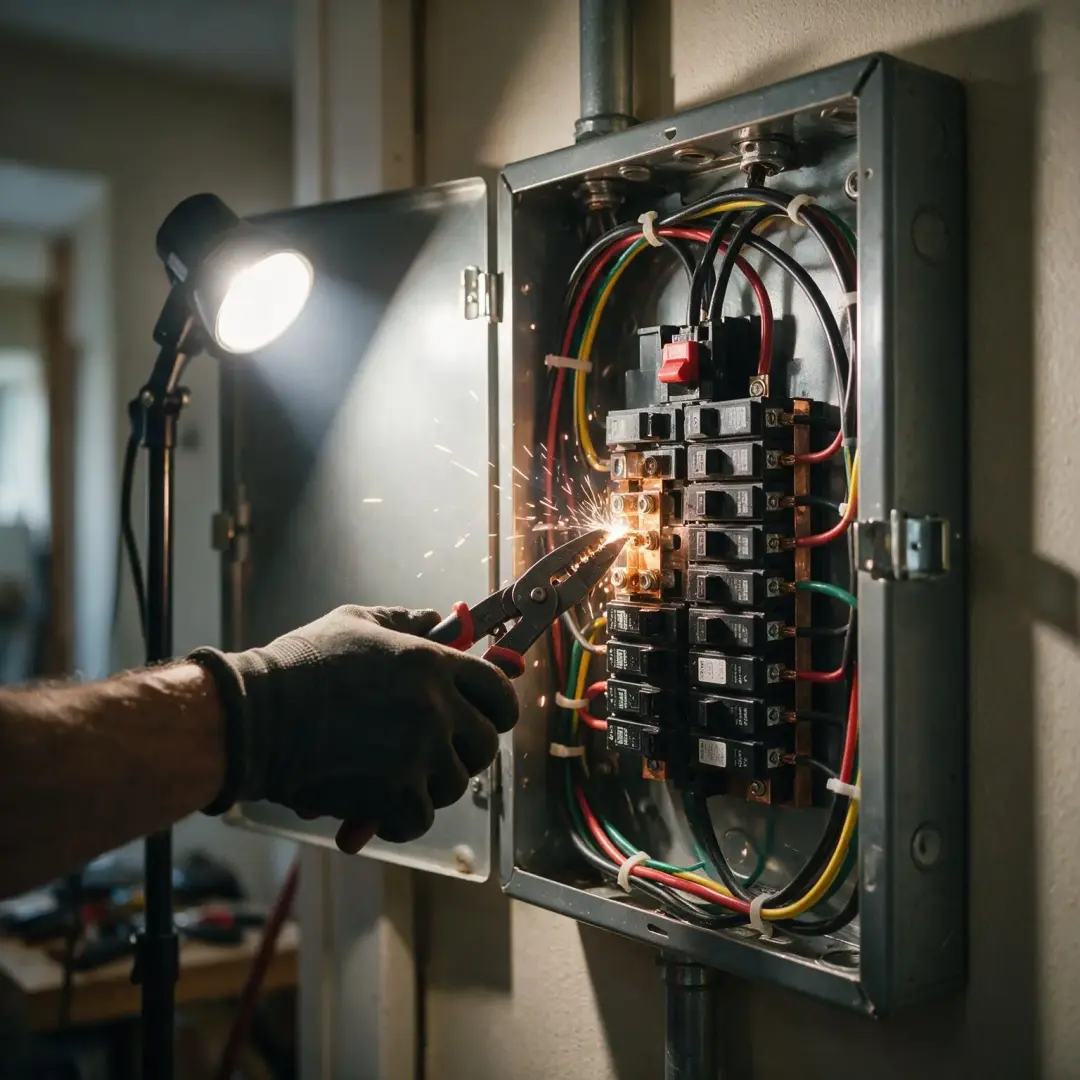
The connection may also begin to arc. Arcing happens when electricity jumps across a small gap instead of flowing through a secure contact. It can create very high temperatures and damage nearby plastic or insulation.
A loose connection may be hidden behind the socket face, so there may be no visible damage at first.
An Overloaded Socket
A socket can overheat when too much electrical equipment is connected to it. This is more likely when adaptors or extension leads are used to power several appliances from one outlet.
High-powered appliances such as electric heaters, kettles, washing machines and tumble dryers place a greater demand on the electrical supply. Connecting several powerful appliances to one extension lead can exceed its safe limit.
Overloading may cause the socket, plug, adaptor or cable to become hot. Prolonged heat can soften or melt plastic and create a burning smell.
A Damaged Plug or Cable
A cracked plug, bent pin, damaged cable or loose wire can prevent electricity from flowing safely. Poor contact between a plug and socket can create heat at the pins.
Cables can also be damaged when they are crushed under furniture, trapped in doors, tightly bent or pulled from the plug. Damage may affect the insulation even when the outer cable does not look badly worn.
Stop using equipment with a damaged plug or cable. Do not cover the damage with ordinary tape and continue using it, as this is not a safe permanent repair.
A Faulty Appliance
The smell may seem to come from the socket when the fault is actually inside an appliance. Damaged motors, heating parts, power units and internal wiring can all overheat.
An appliance may be faulty if it smells burnt, becomes unusually hot, makes strange noises, produces smoke or repeatedly causes the electricity to trip.
Worn or Damaged Socket Contacts
The internal parts of a socket can wear out over time. If the socket no longer grips a plug firmly, the poor contact can create resistance and heat.
Discolouration, scorch marks, cracking or a plug that feels loose may suggest that the socket needs to be replaced.
Old or Damaged Wiring
Older wiring can become unsafe because of age, physical damage, poor earlier repairs or changes to the electrical system.
Insulation may become brittle or damaged, while older connections can loosen. These faults can create heat behind a socket or within a wall.
A burning smell without visible damage may therefore still require urgent attention. Do not assume the problem has ended simply because the smell disappears after an appliance is switched off.
Dust, Dirt or Foreign Objects
Dust can collect around plugs, adaptors and electrical equipment. It may produce a brief hot smell when equipment becomes warm.
However, a strong, repeated or plastic-like smell should not be blamed on dust without an inspection. Dirt, small objects or damaged parts inside a socket can interfere with its electrical contacts.
Never insert tools, cloths, fingers or cleaning products into a socket. Isolate the electricity before cleaning around the outside of a fitting.
What Should You Do When a Socket Smells Burnt?
Stop using the socket as soon as you notice a burning smell. Do not connect another appliance to test whether the socket still works.
Check for Immediate Danger
Look for smoke, flames, sparks, melted plastic, exposed wires or heavy scorching without touching the socket.
Warn everyone in the property and leave immediately if there are flames, heavy smoke or any doubt about whether it is safe to remain inside. Contact the emergency services from a safe place.
Do Not Use Water
Never pour water onto a smoking socket or electrical fire. Water can conduct electricity and may cause a serious or fatal electric shock.
Disconnect Equipment Only When It Is Safe
You may unplug a connected item when there are no flames, sparks, melted parts, exposed wires or signs that touching it would be dangerous.
Hold the plug rather than pulling the cable. Stop immediately if the plug or socket is very hot or damaged.
Switch Off the Circuit
Switch off the affected circuit at the consumer unit if you know which switch controls it and can reach the unit safely.
Do not approach the consumer unit if it is hot, damaged, smoking or close to water.
- Stop using the affected socket
- Keep children and other people away
- Check for smoke, flames, sparks and melted parts
- Switch off the affected circuit when it is safe
- Never use water on an electrical fire
- Do not use the socket again until it has been inspected
Can You Use the Socket After the Smell Has Gone?
No. A socket should not be used again simply because it has cooled down or the smell has disappeared.
The source of the heat may still be present. Using the socket again could cause more damage and may allow the fault to develop into a fire.
An electrician can remove the socket face safely, inspect the wiring, test the circuit and check for signs of heat damage. The electrician may also need to test the appliance or extension lead that was connected when the smell appeared.
What Other Warning Signs May Appear?
A burning smell often appears alongside other signs of an electrical fault.
- Heat: The socket, plug or wall feels unusually warm or hot.
- Discolouration: Brown, yellow or black marks appear around the socket or plug pins.
- Melting: The plastic casing changes shape, softens or begins to crack.
- Noise: Buzzing, humming, popping or crackling comes from the fitting.
- Sparks: Large, repeated or noisy sparks appear when equipment is connected.
- Power loss: The affected circuit repeatedly switches off.
- Loose plugs: A plug moves easily or falls partly out of the socket.
Why Is a Buzzing or Crackling Socket Dangerous?
Buzzing and crackling may be signs of a loose connection or electrical arcing. These faults can produce heat quickly and damage the socket or nearby wiring.
A normal socket should not make a continuous noise. Stop using it if the sound is repeated, loud or linked to heat, a burning smell, flickering lights or loss of power.
Switch off the circuit when it is safe and arrange an urgent electrical inspection. Do not press the socket, move the plug or remove the cover to find the source of the noise.
Why Does the Electricity Trip When a Socket Is Used?
The switches in a consumer unit are designed to disconnect the electrical supply when certain faults are detected.
A switch may trip because of a faulty appliance, damaged cable, overloaded circuit, water entry or a problem with the fixed wiring.
Do not repeatedly reset a switch when the socket smells burnt or shows signs of heat damage. Leave the affected circuit switched off and contact an electrician.
Repeatedly restoring the electricity without finding the cause could make the damage worse.
Can an Extension Lead Cause a Burning Smell?
Yes. Extension leads and adaptors can overheat when they are damaged, overloaded or used incorrectly.
Connecting one extension lead to another can place too much demand on the original wall socket. Coiled cable reels may also trap heat when they carry a heavy load.
Check the maximum load shown on the extension lead. Avoid powering several high-demand appliances from one lead, even when there are enough spaces for all the plugs.
Stop using an extension lead if it smells burnt, feels hot, has damaged insulation or contains discoloured socket openings. Replace it rather than attempting a temporary repair.
Can Moisture Cause a Socket to Overheat?
Water and moisture can damage sockets, plugs and electrical connections. Possible causes include leaking pipes, flooding, condensation and spills.
Do not touch a wet socket or enter standing water when electrical equipment may still be live.
Switch off the electricity at the main switch only when the consumer unit is dry and can be reached safely. Keep everyone away from the area and contact the emergency services if there is an immediate danger.
The electrical supply should not be restored until the affected parts have been inspected and confirmed safe.
How Can You Prevent Sockets from Overheating?
Regular checks and safe use of appliances can reduce the risk of socket faults.
- Do not overload sockets, adaptors or extension leads.
- Avoid connecting several extension leads together.
- Replace damaged plugs, cables and extension leads.
- Keep sockets and electrical equipment away from water.
- Do not force a damaged or bent plug into a socket.
- Use chargers and power units that are suitable for the product.
- Keep curtains, clothing and furniture away from hot electrical equipment.
- Arrange an inspection when sockets become loose, cracked or discoloured.
- Do not ignore burning smells, buzzing sounds or repeated loss of power.
How Often Should Home Electrics Be Inspected?
Homeowners are generally advised to have the electrical installation inspected at least every ten years. An earlier inspection may be needed when the property is old, has been altered, has suffered water damage or shows signs of an electrical fault.
Landlords in England must arrange an electrical safety inspection at least every five years. The inspection must be completed by a qualified person, and the condition of the fixed electrical installation must be recorded.
A burning smell, hot socket or repeated tripping should not be left until the next planned inspection. These warning signs require prompt attention.
When Should You Call an Emergency Electrician?
Arrange urgent help when a socket is smoking, sparking, unusually hot, badly scorched or producing a strong burning smell.
You should also seek urgent assistance when the consumer unit repeatedly trips, the smell appears to come from inside a wall, several electrical fittings are affected or water has reached the wiring.
Contact the emergency services instead when there are flames, heavy smoke, a serious electric shock or an immediate danger to life.
Do not take personal risks or attempt to repair the socket yourself.
Frequently Asked Questions
Is a Slight Burning Smell from a Socket Normal?
No. Even a slight burning smell may be an early sign of overheating, damaged insulation or a loose connection. Stop using the socket and have it checked.
Why Does the Socket Smell Only When an Appliance Is Running?
The appliance may be drawing enough electricity to expose a weak connection or damaged part. The fault could be in the socket, plug, cable or appliance.
Should I Unplug an Appliance from a Hot Socket?
Only unplug it when there are no sparks, flames, exposed wires, melted parts or other signs that touching it would be unsafe. Switch off the circuit first when possible.
Can I Replace a Burnt Socket Myself?
Socket replacement involves live electrical systems and should be completed by someone with the correct skills and knowledge. An electrician can also check whether the wiring behind the socket has been damaged.
Can a Socket Start a Fire Without Anything Plugged In?
Yes. A loose connection or damaged wire behind the socket may still be live and could produce heat even when no appliance is connected.
Why Is There a Fish-Like Smell Near a Socket?
Overheated electrical plastic and insulation can sometimes produce an unusual chemical or fish-like smell. Isolate the circuit when it is safe and arrange an inspection.
What Causes Burning Smells from Electrical Sockets?
A burning smell from an electrical socket may be caused by a loose connection, electrical arcing, overloading, damaged wiring, a worn socket, a faulty plug or a problem inside an appliance.
Stop using the socket and switch off the affected circuit when it is safe. Do not use the socket again until an electrician has found the cause and confirmed that the fitting and wiring are safe.
Leave the property and contact the emergency services when there are flames, heavy smoke or immediate danger. Never use water on an electrical fire or touch equipment that may still be live.
Sources
Fire figures are based on the Ministry of Housing, Communities and Local Government publication, Fire and Rescue Incident Statistics, Year Ending March 2026, published on 22 July 2026.
The figure relating to misuse of equipment or appliances is from the government’s detailed analysis of fires in England covering April 2024 to March 2025.
Have you noticed a burning smell, unusual heat or damage around an electrical socket? Wigan Electrical Solutions provides professional electrical inspections, fault finding and repairs for domestic and commercial properties in Warrington, Wigan, Manchester, Liverpool or Bolton. Contact our team to arrange assistance from a qualified electrician.