An electrical fault can make people feel that they must act quickly. However, opening a socket, handling damaged wiring or trying to repair a consumer unit can place you and everyone nearby in serious danger.
Emergency electrical repairs should only be completed by a trained and qualified electrician. The safest response is to move away from the danger, isolate the electricity when it is safe and arrange professional help.
Why Are Emergency Electrical Repairs So Dangerous?
Electricity cannot normally be seen, heard or smelled. A cable or fitting may look harmless while it is still carrying enough electrical current to cause a serious injury.
An emergency fault can also make the situation less predictable. Heat, fire, water, damaged insulation and loose connections may create several dangers at the same time.
Attempting a repair without the right training can result in electric shock, severe burns, fire or further damage to the electrical installation. It may also place other people at risk if the repair creates a hidden fault that is not discovered immediately.
What Do the Latest Fire Statistics Show?
Fire and rescue services attended 170,597 fires in England during the year ending March 2026. This was an increase of 19% compared with the previous year.
The total included 26,180 dwelling fires, of which 23,795 were accidental. Dwelling fires increased by 2.8%, while accidental dwelling fires increased by 3.5%.
During the same period, there were 184 fire-related deaths in dwelling fires and 4,898 non-fatal casualties in dwellings. Across all types of fires, there were 254 fire-related deaths and 6,848 non-fatal casualties.
- 170,597 fires were attended in England
- 26,180 of these were dwelling fires
- 23,795 dwelling fires were accidental
- 184 fire-related deaths occurred in dwellings
- 4,898 non-fatal casualties occurred in dwellings
These figures cover all causes of fire rather than electrical faults alone. However, they show the possible effects of fire in the home and why smoke, sparks, burning smells and unusually hot electrical fittings must be treated seriously.
You Could Receive a Serious Electric Shock
An electric shock happens when electrical current passes through the body. It can cause pain, burns, muscle damage, breathing problems, heart problems and loss of consciousness.
The effects are not always visible. A person may appear well after receiving a shock while still having an internal injury that requires medical care.
Switching off a light or appliance does not always prove that every part is safe. A wiring mistake, damaged switch or second electrical supply could leave parts of the system live.
Qualified electricians use suitable testing equipment to confirm that a circuit has been safely isolated before beginning work. Guessing that the power is off is not a safe replacement for proper testing.
Electrical Work Can Cause Severe Burns
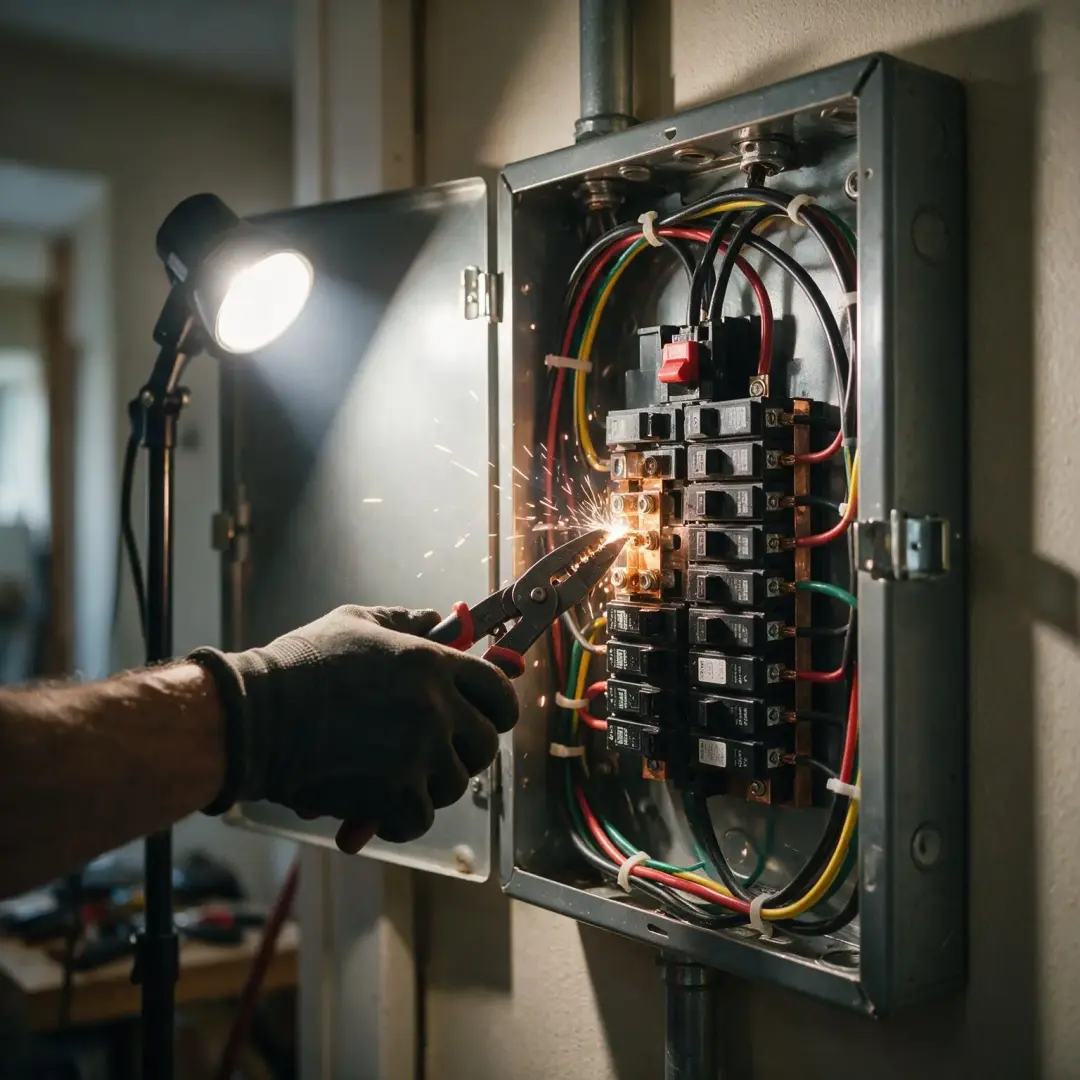
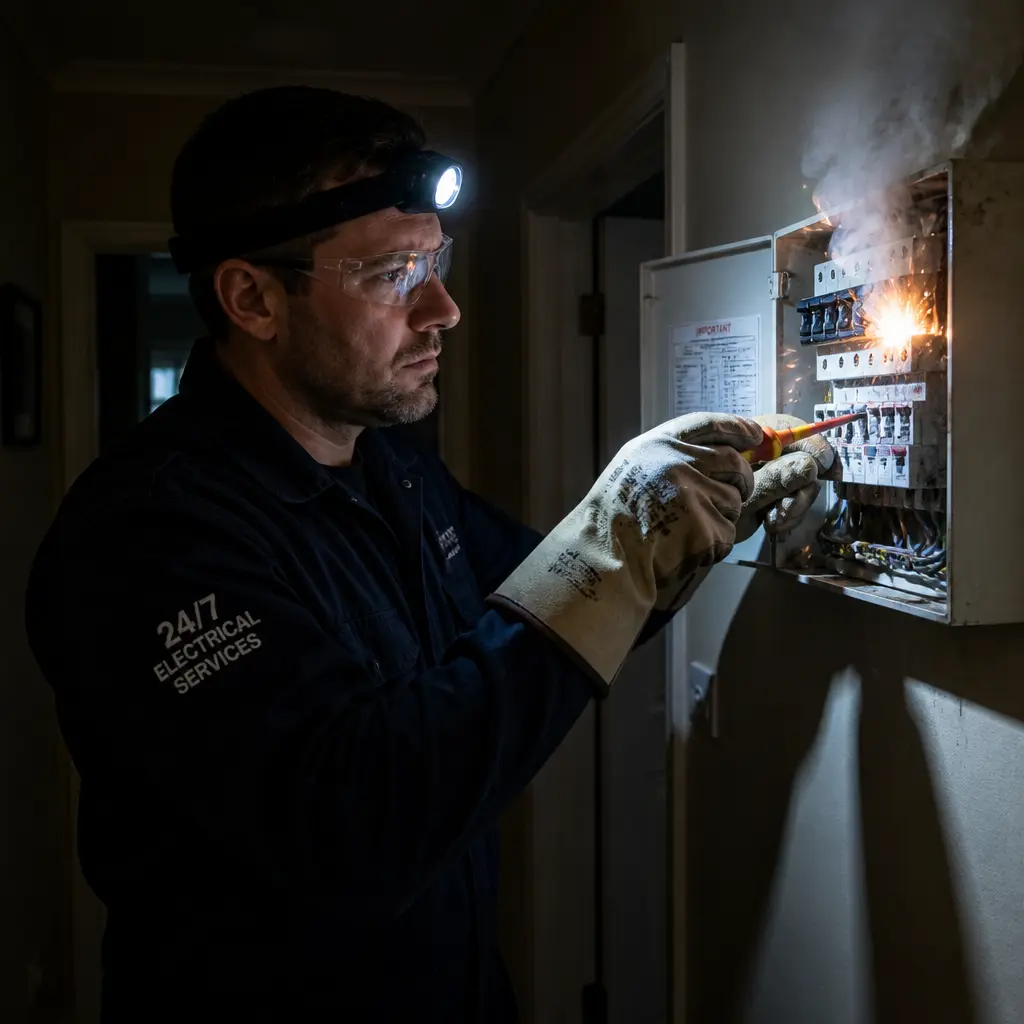
Electrical injuries are not limited to shocks. A short circuit or electrical arc can release intense heat in a fraction of a second.
This heat can cause deep burns, damage eyesight and set clothing or nearby materials on fire. Hot metal may also be released from damaged electrical equipment.
The risk can increase when someone uses unsuitable tools or works near exposed live parts. A normal household screwdriver, pair of pliers or work glove may not provide protection from electricity.
Electrical burns may look small on the surface while causing serious damage below the skin. Anyone who receives an electrical burn should receive suitable medical advice, particularly when the burn is deep, affects a large area or follows a strong electric shock.
A Poor Repair Can Start a Fire
A loose electrical connection can create heat. If a plug, socket or cable has not been connected correctly, the fault may slowly become hotter each time electricity is used.
The repair may appear to work at first. However, heat can build behind a wall, beneath a floor or inside a consumer unit where it cannot easily be seen.
Possible causes of fire following a poor repair include loose terminals, damaged insulation, exposed conductors, incorrect cable sizes and unsuitable replacement parts.
Covering a damaged cable with ordinary tape or forcing a switch to remain on does not remove the fault. It may hide a warning sign while allowing the danger to become more serious.
You May Not Identify the Real Cause
An electrical problem is not always located where its effects first appear. For example, a socket may stop working because of damage elsewhere on the circuit.
A switch that keeps tripping could be responding to a faulty appliance, damaged cable, overloaded circuit, water entry or a problem within the fixed wiring.
Replacing a socket or repeatedly resetting a switch may therefore fail to correct the cause. It could also remove an important warning that the electrical safety system is working as intended.
An electrician can inspect the circuit, complete electrical tests and trace the fault to its source. This is important because repairing only the visible damage may leave the main danger in place.
Water Makes Electrical Emergencies More Dangerous
Leaks and flooding may allow water to reach sockets, cables, lights, appliances or the consumer unit. Water can carry electrical current and make nearby surfaces dangerous to touch.
Do not enter standing water when electrical equipment or wiring may be live. Do not attempt to remove a wet socket, move an appliance or inspect a flooded consumer unit.
Switch off the electricity at the main switch only when you can reach it without entering water or touching wet electrical equipment. Keep everyone away from the affected area.
When the electricity cannot be isolated safely, contact the emergency services or the electricity network operator from a safe place. The power should not be restored until the installation has been inspected and confirmed safe.
You Could Damage the Consumer Unit
The consumer unit contains equipment designed to protect people and the property when an electrical fault is detected.
Removing its cover can expose live electrical parts. Some sections may remain live even when individual circuits have been switched off.
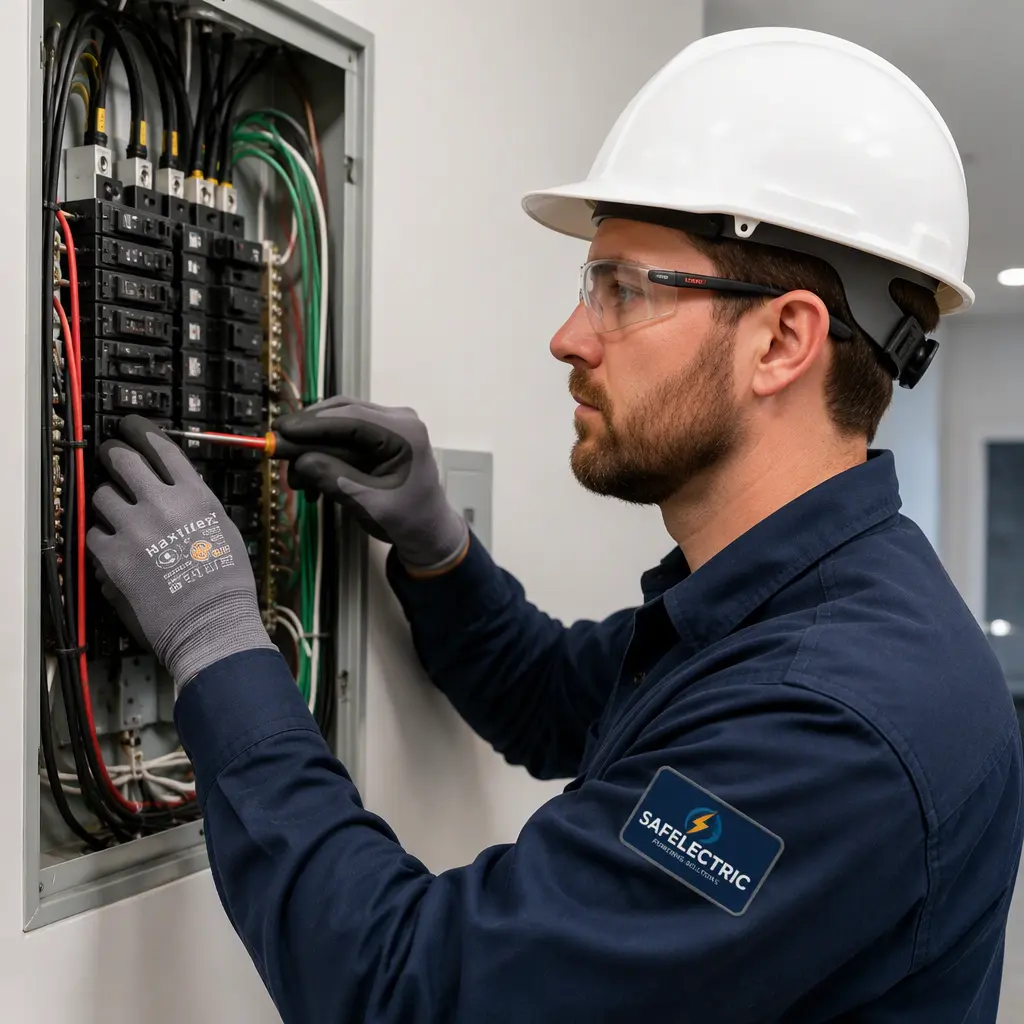
Trying to replace a switch, fuse or internal cable without suitable training can cause electric shock, fire or wider damage to the electrical system. Installing the wrong type of part may also prevent the safety equipment from working correctly.
You may reset a tripped switch once when there is no smoke, burning smell, unusual heat, water or visible damage. Unplug recently used appliances first. If the switch trips again, leave it off and arrange an inspection rather than repeatedly resetting it.
Temporary Repairs Can Create Hidden Dangers
Temporary repairs are often made during an emergency because someone wants to restore the power quickly. However, a repair that is only intended to last for a short time may remain in use for months or years.
Unsafe examples include taping damaged cables, joining wires without a suitable enclosure, using an incorrect fuse and bypassing a protective switch.
These actions can leave live parts exposed, allow connections to become loose or stop important safety equipment from operating.
When a cable, socket, plug or appliance is damaged, stop using it. Portable equipment may need to be replaced or professionally repaired. Problems with fixed wiring should be inspected by a qualified electrician.
Electrical Repairs Require the Correct Equipment
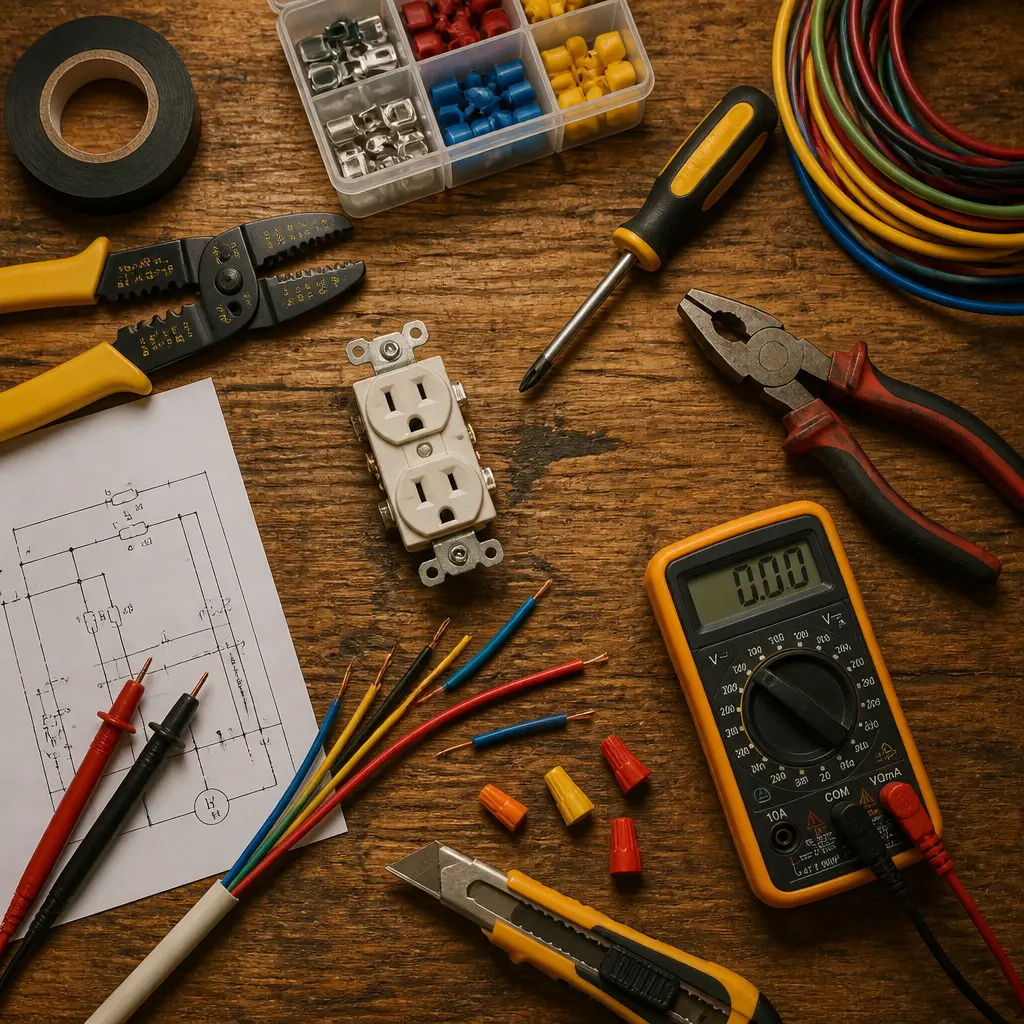
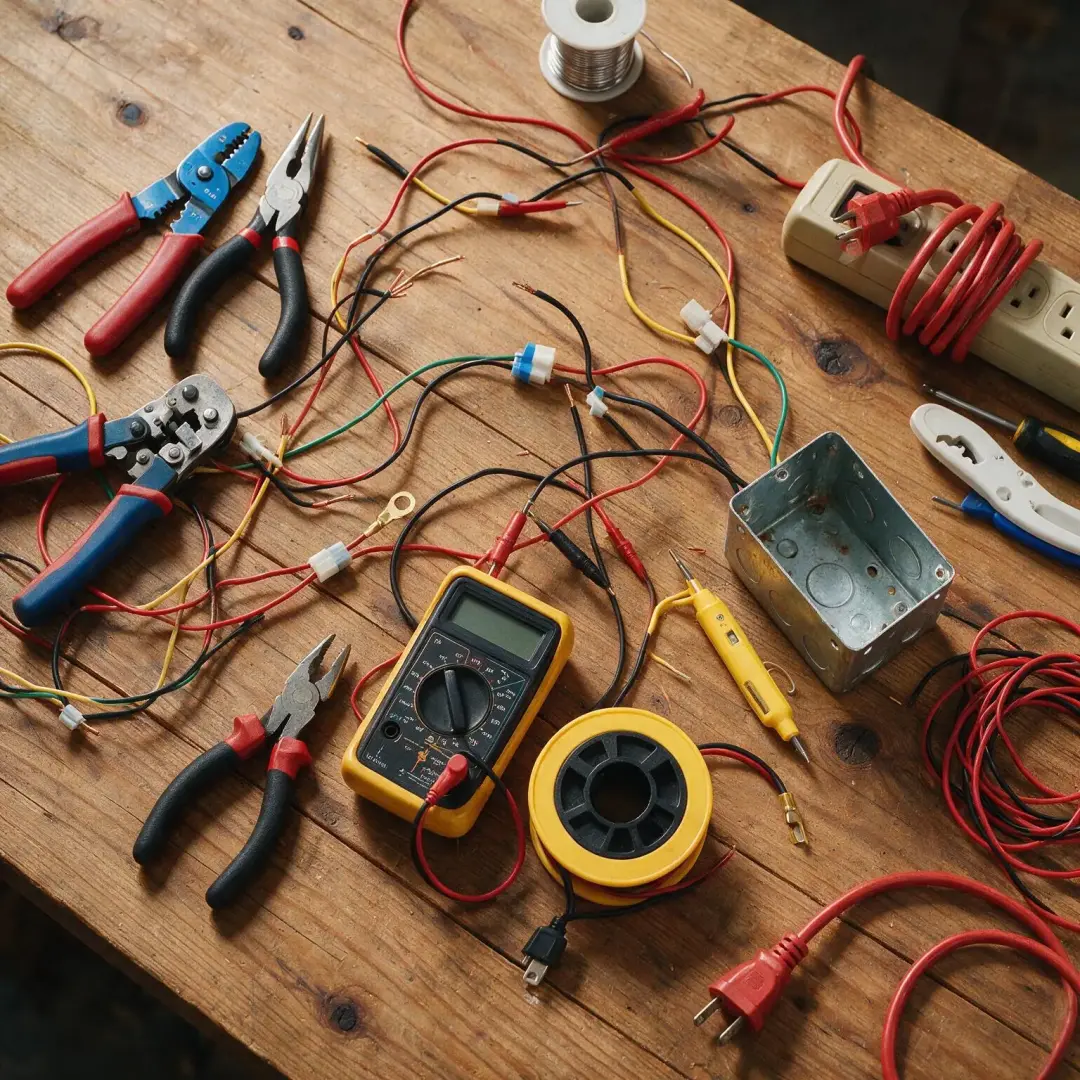
Professional electrical work requires more than basic household tools. Electricians use suitable instruments to test circuits, identify faults and confirm that the completed work is safe.
They may need to test protective conductors, insulation, circuit protection and the operation of safety switches. These checks can identify problems that cannot be found by simply turning an appliance on.
Electrical testing equipment must also be selected, maintained and used correctly. A test result can be misunderstood when the user does not have suitable training.
Completing a repair without testing may leave a dangerous fault behind. The electricity may appear to work normally while metal parts, cables or fittings remain unsafe.
You May Put Other People at Risk
An unsafe electrical repair can affect everyone who enters the property. Children, visitors, tenants, customers and other workers may not know that a fitting has been altered.
A poor connection could make the metal body of an appliance live. An exposed cable could be touched accidentally. A damaged circuit could also cause a fire after everyone has gone to sleep or left the building.
The person completing the repair may understand where the temporary connection has been made, but other people will not have that information.
Professional repairs help protect everyone by using suitable parts, safe working methods and proper testing. The electrician can also explain whether any part of the system must remain switched off.
Unauthorised Work May Cause Further Problems
Some electrical work in homes is controlled by building regulations. The exact requirements depend on the type of work, its location and where in the United Kingdom the property is located.
Certain work may need to be completed or checked by a suitably registered person. Records or certificates may also be needed to show that the installation has been inspected and tested.
Work completed without the correct checks may create problems when selling, renting or insuring a property. It could also make future repairs harder because another electrician may need to investigate undocumented changes.
Emergency repairs should not be rushed simply to restore power. A qualified electrician can explain what work is required, complete the necessary safety tests and provide suitable records where needed.
What Should You Do Instead of Attempting a Repair?
Your first aim should be to protect people rather than restore the electricity.
Keep everyone away from smoke, sparks, exposed wires, damaged sockets and wet electrical equipment. Switch off the electricity only when the main switch can be reached safely.
Do not touch damaged electrical parts or use water on an electrical fire. Leave the property immediately when there are flames, heavy smoke or an immediate danger to life.
Contact an emergency electrician when the danger does not require the fire and rescue service. Explain what you have seen, when the problem started and whether any circuits have been switched off.
- Warn everyone in the property
- Keep people away from the affected area
- Switch off the electricity only when it is safe
- Do not touch exposed wiring or damaged fittings
- Do not use water on an electrical fire
- Leave the building when there is fire or heavy smoke
- Arrange help from a qualified electrician
When Should You Contact the Emergency Services?
Contact the emergency services when there is a fire, heavy smoke, a serious electric shock or an immediate danger to life.
Leave the building and contact them from a safe location. Close doors behind you when possible, but do not delay your escape to collect belongings or investigate the fault.
Do not touch a person who may still be in contact with electricity. Switch off the supply only if you can do so safely. Follow the instructions given by the emergency call handler.
Fallen or low-hanging power cables should also be treated as live. Stay well away and prevent other people and animals from approaching. Contact the emergency services and the electricity network operator from a safe place.
When Should You Call an Emergency Electrician?
Contact an emergency electrician when an urgent electrical fault creates a safety risk but there is no active fire or immediate danger that requires the emergency services.
Urgent help may be needed when a socket is hot, smoking or producing repeated sparks. You should also arrange help when there is a burning smell, exposed wiring, water near electrical fittings or a damaged consumer unit.
Repeated tripping, partial power loss, buzzing sounds and flickering across several rooms can also point to a serious fault.
Stop using the affected circuit or equipment while waiting for help. Do not remove covers, test exposed wires or attempt to restore the power when there are signs of heat, fire, water or physical damage.
Frequently Asked Questions
```Can I Replace a Damaged Socket During an Emergency?
No. A damaged socket may contain live parts or be connected to a fault elsewhere on the circuit. Stop using it, switch off the circuit when safe and arrange an inspection.
Can I Tape an Exposed Electrical Cable?
Ordinary tape is not a safe permanent repair for damaged electrical insulation. Stop using the cable and arrange for it to be replaced or professionally repaired.
Can I Keep Resetting a Tripped Switch?
No. You may reset it once when there is no smoke, heat, water, burning smell or visible damage. If it trips again, leave it off and contact an electrician.
Is It Safe to Repair Wiring After Switching Off the Power?
Switching off a circuit does not prove that every electrical part is safe. Proper isolation and testing are required before work begins.
Should I Repair a Fault if It Looks Simple?
No. A simple visible fault may be connected to a more serious problem elsewhere. Electrical repairs should be completed and tested by a qualified electrician.
Why Should You Avoid Emergency Electrical Repairs?
Emergency electrical faults can expose you to electric shock, burns, fire and hidden damage. The danger may remain even after a switch or appliance has been turned off.
Trying to complete a fast repair can make the original fault worse. It can also create a new danger through loose connections, damaged insulation, incorrect parts or missing safety tests.
Move people away from the danger and isolate the electricity only when it is safe. Contact the emergency services when there is fire, heavy smoke, serious injury or an immediate danger to life.
For other urgent faults, contact a qualified emergency electrician. Professional fault finding, repair and testing provide the safest way to restore the electrical supply.
Do you need a local electrician near me in Wigan, Manchester, Liverpool or Bolton? Wigan Electrical Solutions provides professional electrical inspections, fault finding and repairs for domestic and commercial properties. Contact our team to arrange assistance from a qualified electrician.